Bestie, if this is the year you’re serious about growing your type 4 hair and actually keeping the length, then we need to have an honest, grown-woman conversation. Not a “buy this product” conversation. Not a “try this viral routine” conversation. A behavior conversation. Because here’s the truth nobody says loud enough: Most type 4 hair is not stuck. It’s just tired.
Tired of being pulled, rushed, dried out, over-styled, under-protected, and then blamed for not thriving. Our hair has been surviving instead of flourishing. So this year, we’re changing the way we treat it, not just what we put on it.
This post is about the things we are consciously, intentionally not doing to our type 4 hair anymore, because these habits quietly destroy growth and length retention, even when everything else looks “right.” Find hundreds more posts natural hair care here, just search what you need and you will find it, if you don’t, send me an email at napturallyval@gmail.com. Also, i have some hair growth guides plus a free gift for you here.
Feel like your hair has been the same length forever, I’ve an Ebook that will help you grow your hair healthier, longer and thicker. Grab your copy here… Also, check out all the Ebooks,guides and journals that will go a long way in your hair care journey here.
Table of Contents
9 Things that are making us not retain length or grow our hair.
We Are Not Detangling Type 4 Hair Like We’re Angry at It
Let’s start here, because detangling alone has stolen inches from so many of us. Type 4 hair is tightly coiled, which means the strands wrap around themselves naturally. When hair is dry, those coils shrink and tighten even more, creating friction at every bend in the strand. When you detangle dry hair, you’re forcing fragile strands to stretch and snap at their weakest points, usually the ends or mid-shaft.
This is why you can detangle gently and still lose hair. The breakage is happening because the hair simply isn’t prepared to be manipulated. Dry detangling teaches your hair one thing: stress.
This year, we’re not detangling unless the hair is properly hydrated and lubricated. That means water first, always. Water softens the hair, increases elasticity, and allows strands to slide past each other instead of locking together. Add a slippery conditioner or detangler like Paul Mitchell The Detangler Conditioner, work in small sections, and slow down. Detangling is not a task to rush through, it’s one of the most important steps for retention.
Related post;
- Detangling 4C Hair Without Damage: Step-by-Step Pro Techniques.
- 7 Worst 4C Hair Detangling Mistakes That Cause Major Breakage
We Are Not Holding Onto Damaged Ends Just to Say Our Hair Is “Long”
Bestie, let me say this gently but clearly: dead ends do not count as length. One of the biggest reasons type 4 hair appears not to grow is because we refuse to let go of damaged ends. Split ends don’t stay polite and contained; they travel upward, causing tangling, breakage, and thinning over time. So while your hair is growing from the scalp, it’s breaking off at nearly the same rate.
That’s why your hair seems stuck at the same length year after year. This year, we’re not romanticizing unhealthy ends. We’re not scared of trims. We’re not measuring progress by stretched length alone. We’re paying attention to how our ends feel; are they smooth, strong, and full, or wispy and rough?
Trimming is not the enemy of growth. Neglect is. A small, consistent trim preserves length far better than holding onto hair that’s already compromised.
Related posts:
- Why You Keep Getting Split Ends: The Top 8 Culprits.
- How to Tell If You Have Split Ends & When It’s Time for a Trim.
We Are Not Calling High-Tension Styles “Protective” Anymore
We need to retire this lie immediately. If a hairstyle causes pain, tightness, headaches, or sore edges, it is not protecting anything. It’s slowly weakening your hair follicles and stressing your strands at the root. Over time, this leads to thinning edges, breakage around the perimeter, and traction-related shedding that can take years to reverse.
Type 4 hair already grows upward and outward. When we constantly force it into tight, unnatural positions, we increase stress on the hair shaft and scalp. This year, we’re choosing styles that allow our hair and scalp to relax. Protective styling should feel comfortable, and gentle, not impressive or painful. The goal is to protect the ends, reduce manipulation, and preserve moisture, not to suffer for aesthetics.
Loose twists, chunky braids, low-tension buns, and properly prepped wigs all protect length far better than tight styles ever could.
Related posts:
- 5 Hidden Reasons Protective Styles Are Causing Breakage and Damage.
- 5 Must-Do Steps to Prep 4C Hair for Protective Styling (Avoid Breakage!)
- Ultimate Guide to Maintaining Protective Styles for Maximum 4C Hair Growth.
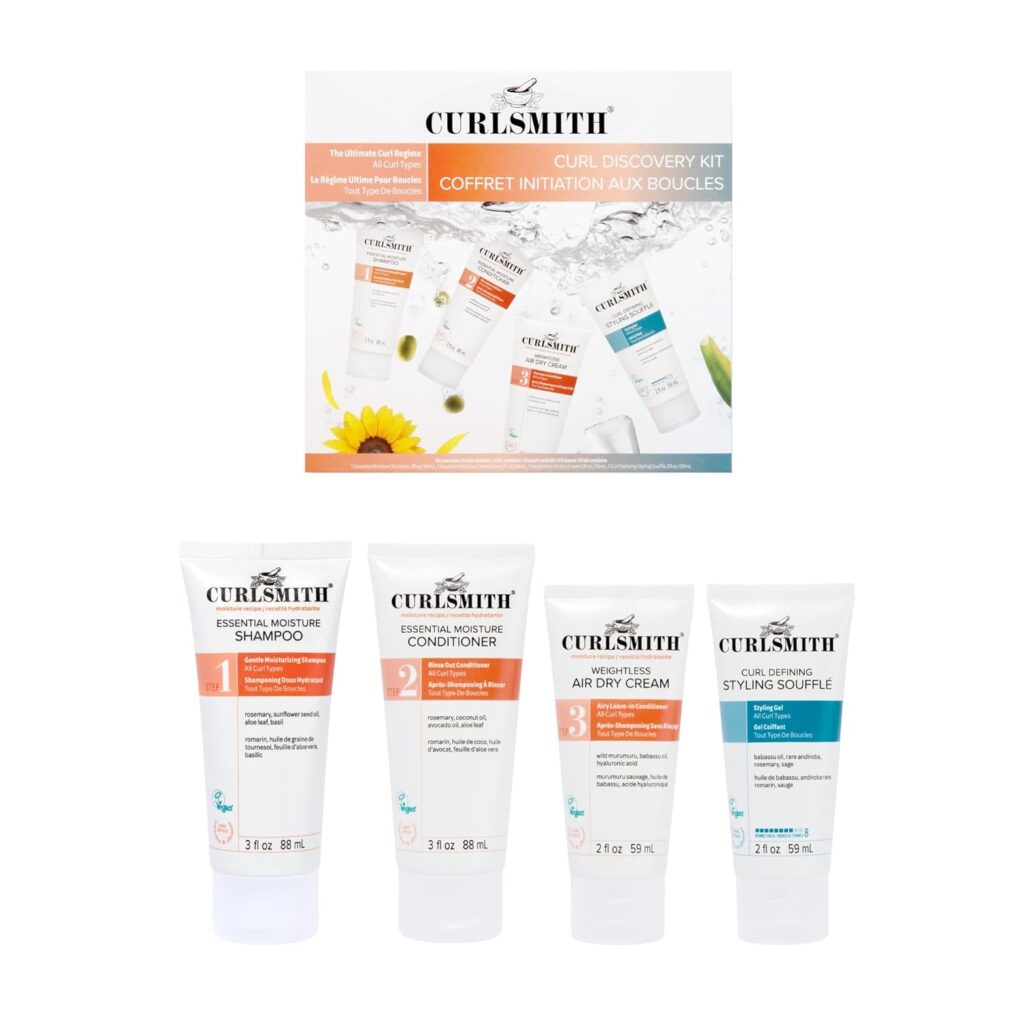
A four-piece complete kit for all curl types, featuring our best sellers. Includes a moisturizing shampoo, hydrating conditioner for curly hair, air dry curl cream and a strong hold gel for curls.
We Are Not Underestimating How Dry Type 4 Hair Really Is
Type 4 hair struggles to stay moisturized because natural scalp oils have a hard time traveling down tightly coiled strands. This is not a flaw, it’s a structural reality. When hair lacks moisture, it loses elasticity. And hair without elasticity breaks.
This year, we’re not moisturizing once a week and wondering why our hair feels hard by day three. We’re not confusing shine with hydration. We’re not assuming our hair is “low maintenance” when it’s clearly asking for more care.
Moisture is not a one-time event. It’s an ongoing relationship. We’re using water-based moisturizing products consistently, refreshing our hair every few days, and sealing moisture with either butters or oils. Soft hair bends, stretches, and survives manipulation, which is exactly what we need for length retention.
Moisture favorites: Tea Tree Hair and Body Moisturizer Leave-In Conditioner and Moroccanoil All In One Leave In Conditioner
Related posts:
- The Ultimate Moisturizing Routine for Dry 4C Hair
- The Right Way to Apply Moisturizing Products for Maximum Hair Hydration.
We Are Not Neglecting the Scalp and Expecting Growth to Thrive
Bestie, oils cannot fix a dirty scalp. Hair grows from follicles, and follicles live in the scalp. When buildup, sweat, and product residue sit on the scalp for weeks, they create inflammation and block healthy growth. A clogged scalp slows progress, no matter how good your routine looks on paper.
This year, we’re washing our hair consistently, not aggressively, not excessively, but intentionally with moisturizing shampoo and clarifying shampoo when necessary. Clean scalp, gentle massage, and proper cleansing create the foundation for growth. Shampoo is not the enemy when used correctly. Your scalp should feel calm, clean, and balanced, not itchy, flaky, or suffocated.
Related posts:
- 4C Hair & Itchy Scalp? 7 Soothing Solutions That Actually Work.
- Ultimate Guide to Fixing Dry Scalp on 4C Hair.
- Ultimate 4C Scalp Care Routine to Stop Itching Before It Starts.
We Are Not Sleeping in Ways That Undo All Our Effort
It makes no sense to moisturize, seal, style, and protect your hair all day, only to rub it against cotton for eight hours at night. Cotton absorbs moisture and creates friction. Satin and silk reduce friction and help retain hydration. This one habit alone can dramatically improve breakage and dryness.
This year, we’re protecting our hair every night. Not sometimes. Not “when we remember.” Every night.
Night-time essentials: Breathable satin or silk bonnets.
We Are Not Over-Manipulating Our Hair Because We’re Bored
Type 4 hair thrives in calm environments. Constant touching, fluffing, brushing, and re-styling may seem harmless, but over time it adds up to mechanical damage. Length retention loves low manipulation. This year, we’re styling our hair and letting it be. We’re resisting the urge to constantly fix, adjust, or redo. Hair grows best when it’s allowed to rest.

Get (or give) glowingly healthy hair with this travel-ready routine to repair, cleanse, and style all hair types for strong, shiny hair. Includes full sizes of No.6 BOND SMOOTHER® for frizz control and OLAPLEX No.7 BONDING OIL™, a bestselling hair oil for instant shine, sleek softness, and heat protection.
We Are Not Using Heat Carelessly and Calling It “Occasional”
Heat damage doesn’t always show up immediately. Sometimes it appears weeks later as breakage, loss of elasticity, or curls that refuse to bounce back. This year, heat has rules. Heat protectant is non-negotiable. Temperature control matters. Frequency matters. And heat-free stretching methods are our first option, not our last.
Best heat protectants: OUAI Hair Oil – Hair Heat Protectant Oil and Olaplex No. 7 Bonding Oil, Concentrated High Shine Heat Protectant
Related posts:
- Heat vs. Heatless: The Best Way to Stretch 4C Hair.
- Tired of Heat Damage? How I Straighten My 4C Hair Without Any Heat Tools.
- Heat Damage on 4C Hair: Causes, Prevention & How to Repair.
We Are Not Ignoring Protein–Moisture Balance
Hair needs strength and softness. Too much protein creates stiffness and brittleness. Too little leaves hair weak and prone to breakage. This year, we’re listening to our hair instead of blindly following routines. We’re adjusting based on how our hair feels and behaves, not trends.
Related posts:
- 6 Best Moisture-Protein Balanced Deep Conditioners for Natural Hair.
- Telltale Signs Your 4C Hair is Lacking Moisture-Protein Balance.
- How to Perfect Your Moisture-Protein Balance on 4C Natural Hair.
Growing and retaining type 4 hair is not about perfection. It’s about respect.
Respecting your hair’s structure.
Respecting its fragility.
Respecting the time it takes to thrive.
This year, we’re not rushing, forcing, or fighting our hair. We’re working with it: gently, consistently, patiently. And bestie… that’s how length stays.