
If you run a business and you’ve been curious about going zero waste, but every article you read makes it sound expensive, complicated, or completely unrealistic, you’re not alone. Most business owners want to do better for the environment, but they also want systems that actually work in real life. The good news is that zero waste doesn’t mean turning your business upside down overnight. It’s about making smarter choices, reducing unnecessary waste, and slowly redesigning how your business operates so waste is no longer the default.
Zero waste is less about perfection and more about intention. When done right, it saves money, improves brand trust, and helps your business stay ahead of environmental regulations. Let’s break down what zero waste really looks like for businesses and how you can start implementing it in a practical, achievable way. Find more posts on environment, sustainability and everything in between here.
Table of Contents
What Zero Waste Really Means for Businesses
Zero waste in business is not about producing absolutely no waste at all. It’s about designing systems that prevent waste before it is created. Instead of constantly managing trash, zero waste businesses focus on reducing, reusing, and only recycling as a last option.
For example, a café that replaces disposable cups with ceramic mugs for dine-in customers isn’t just reducing waste, it’s redesigning its service model. An office that moves from printed documents to digital systems isn’t just saving paper, it’s changing how information flows internally. These are the kinds of shifts that define zero waste thinking.
Why Zero Waste Is a Smart Business Decision
Beyond the environmental benefits, zero waste makes strong business sense. Businesses that reduce waste often see lower operational costs because they are buying less packaging, paying fewer waste disposal fees, and using resources more efficiently. Customers are also increasingly choosing brands that align with their values, and sustainability has become a major purchasing factor.
There’s also the regulatory side. Environmental laws around waste management, plastic use, and extended producer responsibility are becoming stricter in many regions. Businesses that adopt zero waste practices early are better prepared for compliance and avoid last-minute, costly adjustments.
Transitioning to Zero Waste in your Office Ideas
Start With a Waste Audit Before Changing Anything
Before you can reduce waste, you need to understand it. A waste audit helps you see exactly what your business is throwing away and where that waste is coming from. This might feel tedious at first, but it’s one of the most powerful steps you can take.
For example, an office might discover that most of its waste comes from paper and food packaging, while a restaurant might realize that food scraps and single-use containers are the biggest contributors. Once you see the data, it becomes much easier to decide where to focus your efforts.
Businesses often use simple tools like digital hanging scales and heavy-duty sorting bins during waste audits to measure and separate waste streams accurately. These tools are easily available on Amazon and can be reused later for ongoing monitoring.
Reduce Paper Waste by Going Digital
Paper waste is still a major issue in many businesses, even in 2026. Invoices, receipts, internal reports, contracts, and meeting notes all add up quickly. Moving to digital systems is one of the easiest zero waste wins.
Digital invoicing, cloud storage, and electronic signatures significantly reduce paper use while improving efficiency. Many businesses also use reusable smart notebooks that allow staff to write notes and upload them digitally, eliminating the need for disposable notebooks.
Over time, businesses that go paperless not only reduce waste but also save on printing, storage, and stationery costs.
Rethink Packaging From the Ground Up
Packaging is one of the biggest waste generators for businesses, especially in retail, food, and e-commerce. Zero waste packaging starts with asking whether packaging is truly necessary and how much of it is being used.
Some businesses switch to compostable packaging, while others move toward reusable or refillable systems. A skincare brand, for example, might sell products in glass containers and offer refill options at a discounted price. This reduces waste while encouraging repeat customers.
Reusable shipping boxes, compostable mailers, and glass storage containers are all commonly used by zero waste businesses and are readily available on Amazon for businesses just starting out.
Eliminate Single-Use Items in Your Workplace
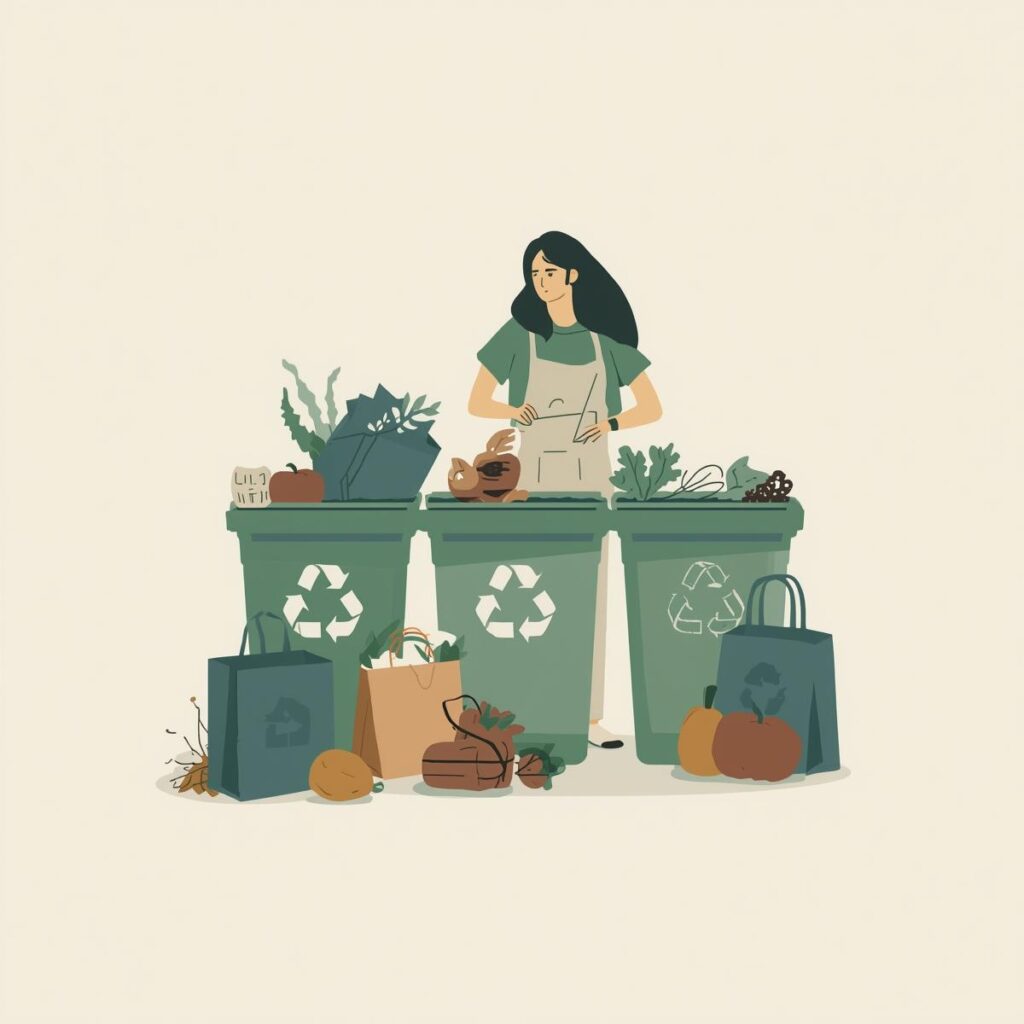
Single-use items are often overlooked because they seem small, but their impact adds up quickly. Disposable cups, plastic water bottles, plastic cutlery, and paper towels are common examples.
Replacing these with reusable alternatives is a simple but powerful change. Providing employees with reusable water bottles, ceramic mugs, and stainless steel cutlery can eliminate thousands of disposable items every year. Installing water dispensers and hand dryers further reduces ongoing waste.
Many businesses also brand these reusable items, turning them into both a sustainability initiative and a subtle marketing tool.
Introduce Composting for Organic Waste
For businesses that deal with food, composting is one of the most effective zero waste strategies. Food scraps, coffee grounds, and biodegradable packaging can all be diverted from landfills and turned into compost.
Some businesses compost on-site using commercial compost bins, while others partner with local composting services or farms. Even small offices can compost lunch leftovers using odor-controlled compost containers.
A café that composts coffee grounds, for instance, can partner with local farmers or gardeners, turning waste into a community resource while reducing disposal costs.
Work With Suppliers Who Support Zero Waste
Zero waste doesn’t stop at your business door. Suppliers play a huge role in how much waste you generate. Working with local suppliers, buying in bulk, and negotiating reusable packaging systems can dramatically reduce waste.
Some suppliers are willing to take back containers or deliver goods in reusable crates instead of cardboard boxes. These partnerships not only reduce waste but also strengthen supplier relationships and often lower long-term costs.
Bulk storage containers and stackable bins, commonly sourced from Amazon, help businesses manage bulk purchases efficiently and hygienically.
Build a Zero Waste Culture Among Employees
Zero waste systems only work if the people using them understand and support them. Employee training is essential. Clear signage, labeled bins, and simple guidelines help everyone participate correctly.
Regular check-ins and sustainability updates keep zero waste goals visible and encourage accountability. When employees feel involved, they are more likely to suggest improvements and maintain good habits.
Hotels, for example, often train housekeeping staff on linen reuse programs and refillable toiletries, leading to significant waste reduction without compromising guest experience.
Redesign Products and Services for Reuse
Businesses that manufacture or sell products have an opportunity to design waste out of their offerings. Refillable, repairable, and modular products keep materials in use longer and reduce the need for constant replacement.
Cleaning brands that sell concentrated refills and reusable spray bottles are a great example. Customers buy refills instead of new bottles, reducing plastic waste while increasing brand loyalty.
Refillable containers and reusable bottles are easy to source on Amazon and can be customized to fit different business models.
Track Progress and Share Your Impact
Zero waste is an ongoing process. Tracking waste reduction, cost savings, and participation rates helps businesses see what’s working and where improvements are needed.
This data is also valuable for sustainability reports, ESG disclosures, and marketing content. Customers love transparency, and sharing your zero waste journey builds trust and credibility.
Simple tools like digital scales and sustainability tracking boards help businesses monitor progress without complicated systems.

Final Thoughts on Going Zero Waste as a Business
Zero waste is not about doing everything at once or getting it perfect. It’s about starting where you are and making better choices consistently. Every piece of waste avoided is a step in the right direction.
When businesses embrace zero waste, they don’t just reduce environmental impact. They create stronger brands, improve efficiency, and future-proof their operations. And that’s a win for everyone.