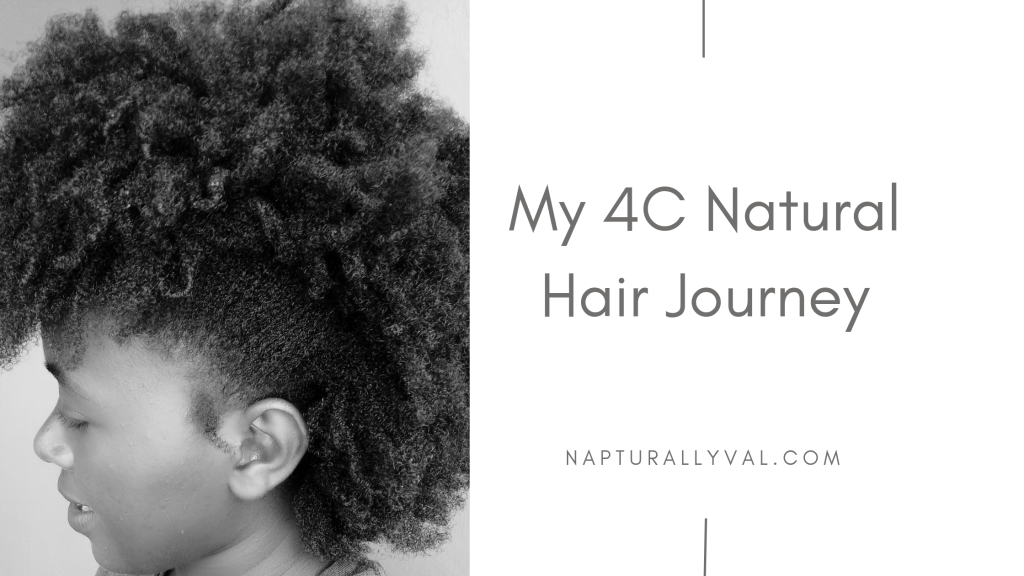

Okay bestie, let’s start from the very beginning. Because whether you just big chopped, you’re newly natural, you’re a seasoned natural who wants to understand your hair better, or you’re a mom trying to figure out your daughter’s hair, this post is for you. No gatekeeping, no overcomplicated science, just real talk about what 4C natural hair actually is and how to take care of it every single day.
4C hair is one of the most misunderstood, underrepresented, and honestly most gorgeous hair types on the planet. For too long, it was labeled “difficult,” “unmanageable,” or “hard to deal with” and girl, we are so done with that narrative. Your 4C hair is not difficult. It just has specific needs that, once you understand them, become second nature.
So let’s get into everything. From what 4C hair actually is, to your daily care routine, to the products that are going to become your new best friends. Grab a snack because this is going to be thorough and worth every single scroll.
Table of Contents
What Exactly Is 4C Natural Hair?
Hair typing was popularized by celebrity hairstylist Andre Walker and has since been expanded by the natural hair community into a system that goes from Type 1 (straight) all the way to Type 4 (coily). Within Type 4, there are three subtypes; 4A, 4B, and 4C and understanding the difference helps you understand your hair’s specific behavior.
Type 4A
4A hair has a defined S-shaped curl pattern. The curls are tight but visibly defined, and the hair tends to retain moisture a little more easily than the other Type 4 subtypes. Strands have a slight sheen and respond well to gel and curl-defining products.
Type 4B
4B hair has a Z-shaped or zigzag pattern rather than a defined curl. It has less visible curl definition and more of a fluffy, cottony texture. It’s denser than 4A and can shrink significantly when dry.
Type 4C
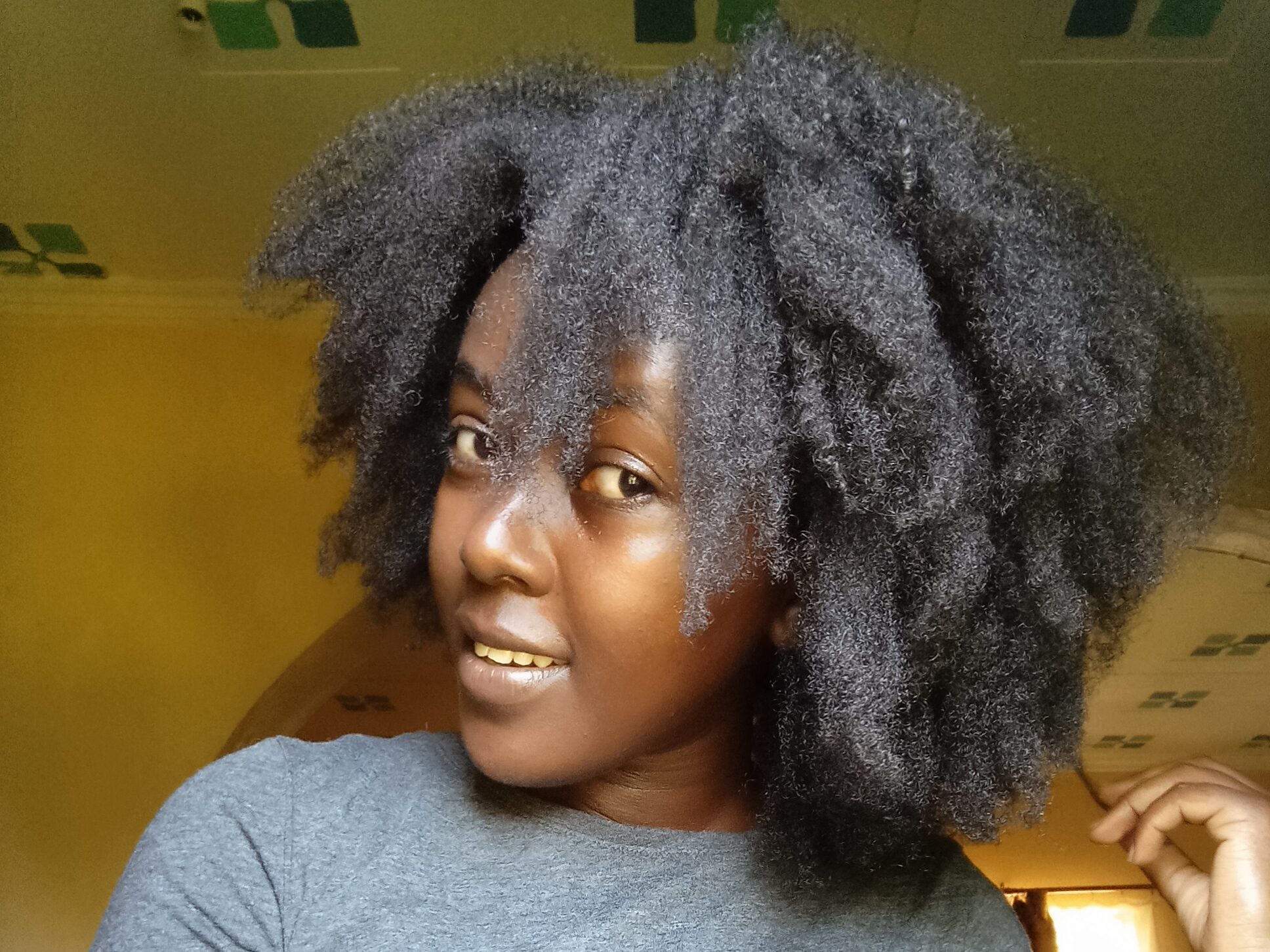
4C hair has the tightest coil pattern of all and here’s the thing, the coils are so tight they’re often not even visible to the naked eye without stretching the hair. 4C hair has the most shrinkage (we’re talking up to 75% or more!), the least natural sheen, and the highest tendency toward dryness. But it is also the most versatile, the most voluminous, and honestly the most majestic hair type when it’s healthy and thriving.
Here’s something important: Many people are a mix of more than one Type 4 subtype across their head. You might have 4B at your crown and 4C at your nape. That’s completely normal. Hair typing is a guide, not a box.

What Makes 4C Hair Unique?
Understanding what makes 4C hair different from other textures is the foundation of knowing how to care for it properly. Here’s what sets it apart:
Shrinkage Is Real (and Not Your Enemy)
4C hair can shrink up to 75–80% of its actual length. That means if your hair is 12 inches long when stretched, it might sit at 2–3 inches when dry and shrunken. Shrinkage is not damage. Shrinkage is not breakage. Shrinkage is actually a sign of healthy elasticity, it means your hair can stretch and return to its natural state without snapping. Embrace it, learn to work with it, and stop letting it stress you out.
It’s Naturally Drier Than Other Hair Types
Because of the tight coil pattern, the natural oils your scalp produces (sebum) have a very hard time traveling down the length of the hair shaft. On straight hair, sebum glides right down. On 4C hair, every twist and bend in the coil is a roadblock. This is why 4C hair needs external moisture consistently, your scalp’s natural production just can’t get the job done on its own.
It’s Incredibly Versatile
Wash and gos, twist outs, braid outs, bantu knots, afros, puffs, protective styles, wigs, extensions, locs, 4C hair can do it ALL. The density and texture of 4C hair makes it one of the most versatile textures for styling, and the volume it produces is genuinely unmatched.
It’s Strong AND Fragile at the Same Time
4C hair strands are actually structurally strong but the tight curl pattern creates points of tension along the strand that can become vulnerable to breakage, especially under friction, manipulation, or dryness. This is why how you handle your hair matters just as much as what products you put in it.
Density Varies Hugely
Some people have very dense, thick 4C hair with lots of strands per square inch. Others have fine, low-density 4C hair. Both are valid, both are beautiful, and both need slightly different approaches to care. Knowing your density helps you choose the right products and styles.
Understanding Your 4C Hair’s Properties, Beyond Curl Type.
Here’s something the hair typing system alone doesn’t tell you and this is actually more important than knowing whether you’re 4B or 4C. Your hair’s individual properties determine how it behaves and what it needs.
Porosity: The Most Important Property to Know
Porosity refers to your hair’s ability to absorb and retain moisture. It’s determined by the state of your cuticle layer.
Low Porosity 4C Hair: The cuticle lies flat and tightly sealed, making it hard for moisture to get in but once it’s in, it stays. Low porosity hair is prone to product buildup and often needs heat to help products absorb. It does best with lighter, water-based products and benefits from steam or a hooded dryer during deep conditioning.
Medium/Normal Porosity 4C Hair: The cuticle allows moisture in and retains it reasonably well. This is the most balanced porosity, products absorb fairly easily and moisture is retained for a decent amount of time. Most standard 4C hair care advice works well here.
High Porosity 4C Hair: The cuticle has gaps or damage (often from chemical processing, heat damage, or genetics) that lets moisture in very quickly but also lets it escape just as fast. High porosity 4C hair needs lots of moisture, lots of sealing, and benefits from protein treatments to temporarily fill in the gaps.
Quick Porosity Test: Drop a clean, product-free strand of hair into a glass of room temperature water. If it sinks immediately, high porosity. If it floats for a long time, low porosity. If it floats and then slowly sinks, medium porosity.
Density: How Much Hair You Have
Density refers to how many hair strands you have per square inch of scalp. High density 4C hair is thick and full. Low density 4C hair is fine and more sparse. This affects which products work best, heavier butters work on high density hair but can flatten low density 4C hair.
Strand Width: Fine, Medium, or Coarse
Individual strand thickness affects how your hair responds to products and manipulation. Fine strands break more easily and need gentler handling. Coarse strands are stronger but can resist moisture penetration. Medium strands are the most balanced.
The Golden Rules of 4C Natural Hair Care
Before we get into the daily routine, here are the non-negotiable principles that underpin everything. These are the rules your 4C hair lives by.
Rule 1: Moisture is everything. Your number one job as a 4C natural is keeping your hair moisturized. Full stop. Every decision you make; products, styles, routines should center around moisture.
Rule 2: Be gentle. 4C hair does not respond well to rough handling. Every time you manipulate your hair aggressively, you create breakage at those tight curl bends. Slow down, be patient, and handle your hair like the precious thing it is.
Rule 3: Seal your moisture in. Putting moisture in without sealing it is like filling a glass with a hole in it. Always follow your water-based products with an oil or butter to lock the moisture into the strand.
Rule 4: Protect your ends. Your ends are the oldest part of your hair and the most prone to damage and splitting. Keep them moisturized, tucked away in protective styles regularly, and trimmed when necessary.
Rule 5: Low manipulation is your best friend. The less you touch, pull, comb, and style your 4C hair, the more length you’ll retain. Protective styling, low manipulation styles, and leaving your hair alone are some of the most powerful things you can do for growth retention.
Rule 6: Consistency beats products. The most expensive products in the world won’t help if your routine is inconsistent. A simple, consistent routine done regularly will always beat an elaborate routine done sporadically.
How to Care for 4C Natural Hair Daily: The Complete Daily Routine
Okay, this is the meat of it. Let’s walk through what daily and weekly care looks like for 4C natural hair, step by step.
Daily Care: What to Do Every Day
Daily 4C hair care isn’t about a massive routine every morning, it’s about simple habits that keep your hair healthy between wash days.
Morning Moisture Refresh
The most important daily habit for 4C hair is keeping it moisturized. Every morning, check in with your hair. Is it soft and pliable? Great, just leave it alone and maybe add a tiny bit of oil to your ends. Is it feeling dry and stiff? Time for a refresh.
How to refresh daily: Lightly mist your hair with water or a water-based refresher spray, don’t soak it, just dampen it enough to reactivate your products. Then always moisturize your hair using a water-based leave-in conditioner like Carol’s Daughter Goddess Strength Leave In Conditioner Cream, which is a rich moisturizing leave-in that activates your natural coil pattern and keeps your 4C hair hydrated and soft for days without feeling heavy or greasy. Follow up by sealing with a light oil like the amazing Carol’s Daughter Goddess Strength 7 Oil Blend Scalp and Hair Oil on your ends and you’re good to go.
Nighttime Protection: The Step That Changes Everything
What you do with your hair at night directly impacts how it looks and feels the next morning and honestly, how much length you retain over time. Cotton pillowcases are the enemy of 4C hair. They absorb moisture from your strands and create friction that leads to breakage and tangles overnight.
Your nighttime non-negotiables:
Always sleep with a satin or silk bonnet or on a satin or silk pillowcase. This one habit alone can dramatically reduce your breakage and keep your styles looking fresher for longer. Protect your hair using a YANIBEST Satin Bonnet for Sleeping a double-lined satin bonnet with a secure but gentle elastic that stays on through the night without pulling your edges or slipping off while you sleep.
Before putting on your bonnet, you can:
- Apply a tiny amount of oil to your ends to keep them moisturized overnight
- Pineapple your hair (gather it loosely on top of your head with a satin scrunchie) to preserve curl definition and reduce compression
- Do loose twists or braids to maintain a stretched style
Weekly Care: Your Wash Day Routine
Wash day is the backbone of 4C natural hair care. For most 4C naturals, washing once a week or once every two weeks works well but this depends on your scalp health, activity level, and how quickly your hair dries out. Here’s what a solid wash day looks like:
Step 1: Pre-Poo (Before You Even Touch the Shampoo)
A pre-poo treatment protects your hair from the drying effects of shampooing. Apply an oil or rich conditioner to your dry hair before washing, cover with a plastic cap, and let it sit for 20–30 minutes. This creates a protective barrier that minimizes moisture loss during cleansing.
Prep your wash day right by pre-pooing with African Pride Moisture Miracle Pre-Shampoo Hair Detangler with Aloe & Coconut Water — Aloe vera and coconut water provide deep hydration and ultimate slip, making it easy to glide through curls while preventing breakage. No more struggling with dry, tangled hair before shampooing.
Step 2: Shampoo — Cleanse Without Stripping
4C hair needs a gentle, sulfate-free shampoo that cleanses the scalp thoroughly without stripping the hair of its natural oils. Harsh sulfates are too aggressive for 4C coils and will leave your hair feeling like sandpaper before you even get to conditioning.
Cleanse your scalp gently and effectively using Shea Moisture Jamaican Black Castor Oil Strengthen & Restore Shampoo — a sulfate-free formula that cleanses the scalp and removes buildup without stripping your coils bare, leaving your hair feeling clean, soft, and ready to absorb all the moisture you’re about to give it.
Focus shampoo on your scalp, that’s where the oil and buildup actually live. The lengths and ends of your hair don’t need to be scrubbed; they’ll get clean from the rinse-through.
Step 3: Deep Condition — The Most Important Step
Deep conditioning is where the real magic happens. For 4C hair, skipping or rushing this step is one of the biggest mistakes you can make. Your hair needs at least 20–30 minutes under a deep conditioner with heat if possible to truly absorb all that moisture and start repairing any damage.
Deeply condition and restore your 4C coils using Aunt Jackie’s Flaxseed Recipes Fix My Hair, Intensive Repair Conditioning Masque — a rich, creamy formula packed with shea butter, olive oil, and flaxseed that penetrates even the tightest 4C coils to deliver intense hydration, improve elasticity, and leave your hair feeling incredibly soft, strong, and manageable from root to tip.
Apply generously to freshly shampooed hair, cover with a plastic cap, sit under a hooded dryer or wrap a warm towel around your head, and let it work for 20–30 minutes before rinsing with cool water.
Step 4: Detangle — Always on Wet, Conditioned Hair
This is the rule that will save your length retention: never detangle 4C hair when it is dry. Always detangle when your hair is wet and slippery with conditioner. Work in sections, start from the ends and work your way up to the roots, and use a wide-tooth comb or your fingers.
Make detangling sessions painless and breakage-free using the Felicia Leatherwood Detangler Brush — a wide-tooth brush designed specifically for textured natural hair that glides through 4C coils without snagging, ripping, or causing unnecessary breakage, making detangling genuinely one of the easiest parts of your wash day instead of the most dreaded.
Step 5: Leave-In Conditioner — Your Moisture Foundation
After rinsing out your deep conditioner, your hair should be soaking wet. This is the perfect moment to apply your leave-in conditioner. Don’t dry your hair first, apply it to that dripping wet hair for maximum absorption.
Lock in serious hydration right after washing using Design Essentials Almond & Avocado Moisturizing & Detangling Leave-In Conditioner —this lightweight, non-greasy formula is designed to provide moisture from the inside out and prevent dryness. Almond and Avocado provides intense moisture leaving a beautiful natural shine. Coconut milk replenishes moisture saving you 30 minutes of detangling time

Step 6: Seal With Oil or Butter — Lock That Moisture In
After your leave-in, while your hair is still damp, apply a sealing oil or butter to lock in all that moisture. Work in sections, applying the oil over your leave-in from roots to ends with extra attention to your ends.
Seal in moisture and strengthen your strands using either Sunny Isle Rosemary Mint Hair & Strong Roots Butter or Jamaican Mango & Lime Black Castor Oil — a thick, rich sealing oil that creates a powerful moisture barrier on 4C coils, seals the cuticle after washing, reduces breakage at the ends, and with consistent use, supports stronger, longer, healthier natural hair growth over time.
Step 7: Style — Choose Low Manipulation Options
After sealing, it’s time to style. For everyday 4C hair care, low manipulation styles are your best friend. These are styles that don’t require a lot of touching, combing, or pulling once they’re done, which means less breakage and more length retention.
Best low manipulation styles for 4C natural hair:
- Two-strand twists or flat twists left in for the week
- Wash and go (sealed and left to dry naturally)
- Buns and puffs
- Protective styles like braids, cornrows, and updos
Define and hold your 4C styles beautifully using CURLSMITH – Curl Defining Styling Soufflé – Vegan Medium Hold Styling Gel — The Soufflé is a moisturiser AND a medium hold styling gel all in one! It is a styling gel with a unique texture, a semi-solid jelly which provides moisture, bouncy hold and definition to any curl type.
Monthly Care: The Deep Reset
Once a month, your 4C hair needs a little extra attention beyond the regular weekly routine.
Clarify Your Scalp and Hair
Product buildup is real and it blocks moisture from penetrating your strands no matter how good your products are. Once a month, use a clarifying shampoo to reset everything and start fresh.
Reset your scalp and strands monthly using Ouidad Water Works Curly Hair Shampoo, Clarifying Shampoo for Build Up, Removes Impurities, Maintains Curls’ Natural Moisture —gently removes stubborn buildup and impurities. This hair shampoo breaks down and removes any residue while still helping curls maintain their moisture
Protein Treatment
Once a month (or every 4–6 weeks), incorporate a protein treatment into your wash day to strengthen your strands and reduce breakage. Follow it immediately with your moisturizing deep conditioner, always moisture after protein, no exceptions.
Strengthen and fortify your 4C strands monthly using Aphogee Keratin 2 Minute Reconstructor — a quick but powerful protein reconstructor that reinforces the hair’s keratin structure, reduces mid-strand breakage, and helps 4C hair hold onto moisture more effectively, making it a non-negotiable monthly addition to any serious natural hair care routine.
Scalp Care and Massage
Your scalp health directly affects your hair health. Once a month (or more frequently if you have scalp concerns), give your scalp a proper massage with a nourishing oil. Scalp massages increase blood circulation to the follicles, which supports healthy hair growth.
Nourish your scalp and stimulate growth using Mielle Organics Rosemary Mint Scalp & Hair Strengthening Oil — a lightweight scalp oil infused with rosemary and mint that increases scalp circulation when massaged in, nourishes hair follicles from the root, reduces scalp dryness and flakiness, and with consistent use supports noticeably stronger and healthier 4C hair growth over time.
Common 4C Hair Mistakes to Avoid
Even with the best intentions, there are some habits that quietly sabotage your progress. Here are the ones to watch out for:
Detangling dry hair. This is probably the single biggest cause of breakage in 4C hair. Always, always detangle on wet, conditioned hair. Dry detangling snaps those tight coils at every bend.
Skipping deep conditioning. A regular conditioner is not the same as a deep conditioner. Your 4C hair needs that extended penetration time that only a deep conditioner provides. Make it a weekly non-negotiable.
Overwashing. Washing too frequently strips 4C hair of the little natural moisture it has. Once a week or every two weeks is plenty for most 4C naturals. If your scalp gets oily or itchy, try co-washing (conditioning without shampooing) between full wash days.
Using heat too frequently. Blow drying, flat ironing, and curling on high heat regularly weakens 4C strands over time. If you use heat, always use a heat protectant, use the lowest effective temperature, and give your hair regular heat-free periods.
Neglecting the ends. Your ends need the most moisture and the most protection. They should get extra product at every step of your routine and should be kept tucked away in protective styles as much as possible.
Tight hairstyles. Styles that pull tightly at the hairline; especially braids, weaves, and ponytails that are installed too tightly cause traction alopecia over time. Your edges are precious and once lost, they’re incredibly difficult to restore. Keep styles comfortable.
Product overload. More products does not equal more moisture. Too many products cause buildup, weigh down your coils, and block moisture from actually getting to your strands. Keep your routine simple and intentional.
4C Natural Hair and Growth: What You Need to Know
Here’s the truth about 4C hair growth, your hair IS growing. On average, hair grows about half an inch per month regardless of texture. The reason many 4C naturals feel like their hair “isn’t growing” is actually a length retention issue, not a growth issue.
Because 4C hair is fragile and prone to breakage (especially at the ends), many people are breaking off roughly the same amount as they’re growing, which means the length stays the same even though the hair is definitely growing.
To retain length with 4C hair: Keep your hair moisturized consistently so strands don’t become brittle and snap. Protect your ends by keeping them tucked in protective styles regularly. Minimize heat and harsh manipulation. Sleep with a satin bonnet every single night. Trim your ends regularly to remove splits before they travel up the shaft.
Length retention is the key to growing long 4C hair and it’s 100% achievable with a consistent routine.
Building Your Starter 4C Natural Hair Product Shelf
If you’re just starting out, you don’t need a bathroom full of products. Here’s a simple, effective starter shelf for 4C natural hair care:
A sulfate-free shampoo for weekly cleansing. A clarifying shampoo for monthly resets. A moisturizing deep conditioner for your weekly wash day. A protein treatment for monthly strength building. A water-based leave-in conditioner for daily and post-wash moisture. A sealing oil (jamaican black castor oil, argan oil, or coconut oil) for locking in moisture. A styling product (gel, cream, or custard) for defining your coils. A satin bonnet for nightly protection.
That’s genuinely all you need to get started and see real results. Master these basics before adding anything else to your routine.
Related post: Essential must have hair care products for healthy hair care growth and length retention.
The Mindset Shift That Changes Everything
Before we wrap up, I want to say something that I genuinely mean: your 4C hair is not a problem to be solved. It is not difficult, it is not coarse, it is not “too much.” It is beautiful, resilient, versatile, and worthy of every single bit of time, effort, and love you pour into it.
The journey to understanding your 4C hair takes time. There will be wash days that don’t go as planned. There will be products that don’t work for you. There will be styles that flop and styles that absolutely slay. That’s all part of it.
Be patient with your hair. Be consistent with your routine. And be curious; keep learning, keep adjusting, and keep showing up for your crown. Because when 4C hair is healthy and thriving? There is truly nothing like it in the world.
You’ve got this, bestie.

Frequently Asked Questions About 4C Natural Hair
Q: How do I know for sure if I have 4C hair?
A: The easiest way to identify 4C hair is to look at a single strand after washing without any products. 4C hair has an extremely tight coil, so tight that when you look at a single strand, it may not even have a clearly visible curl pattern. It tends to shrink dramatically when dry (up to 75–80% of its actual length), has a fluffy, dense appearance, and very little natural sheen without product. If your hair fits that description, you’re likely 4C though you might be a mix of 4B and 4C, which is very common. Remember, hair typing is a guide to help you understand your hair, not a box to confine yourself to.
Q: How often should I wash my 4C natural hair?
A: Most 4C naturals do best washing once a week or once every two weeks. Washing too frequently can strip your hair of the little natural moisture it already has, while going too long between washes can lead to scalp buildup that blocks growth and moisture. Pay attention to your scalp; if it’s itchy, flaky, or producing excess oil, it’s time to wash. If it’s clean and comfortable and your hair is still moisturized, you can stretch your wash day a little longer.
Q: Is it normal for 4C hair to shrink so much?
A: Completely normal and actually a GOOD sign! Shrinkage means your hair has elasticity, which means it’s healthy enough to stretch and return to its natural coiled state without breaking. The tighter your coil, the more shrinkage you’ll experience. 4C hair can shrink up to 75–80% of its actual length, which means hair that’s over a foot long can look like a few inches when fully shrunken. If you want to see your true length, try stretching with banding, twist outs, braid outs, or blow drying on a low heat setting with a heat protectant.
Q: Why does my 4C hair always feel dry no matter what I do?
A: Persistent dryness in 4C hair usually comes down to one or more of these things: product buildup that’s blocking moisture from penetrating (try clarifying first), not applying products to wet enough hair (your hair should be soaking, not just damp), skipping or rushing deep conditioning, using products with ingredients that dry out the hair (like harsh alcohols or sulfates), or having high porosity hair that loses moisture as fast as it absorbs it. Start by clarifying, then build a solid moisture routine from scratch; shampoo, deep condition with heat, leave-in, oil seal and give it at least 4–6 weeks of consistency before evaluating.
Q: Can I grow long 4C hair?
A: Absolutely yes and don’t let anyone tell you otherwise. 4C hair grows at the same rate as any other hair type (roughly half an inch per month). The reason many 4C naturals struggle with length is retention, not growth. Breakage at the ends eats up the length as fast as it grows in. The keys to retaining length are consistent moisture, protecting your ends, sleeping with a satin bonnet, minimizing heat and harsh manipulation, and regular protective styling. With a consistent routine and patience, long, thriving 4C hair is 100% achievable.
Q: Do I need to comb my 4C hair every day?
A: No and actually, daily combing is one of the things that causes the most breakage in 4C hair. Because of the tight coil pattern, every time a comb or brush runs through 4C hair dry, it creates points of stress at every bend in the coil. 4C hair does best with minimal manipulation. Detangle thoroughly on wash day with a wide-tooth comb or your fingers while your hair is wet and slippery with conditioner, then leave it alone between wash days as much as possible. Styles like twists, braids, and puffs are perfect for minimizing daily touching.
Q: What is the LOC or LCO method and should I be doing it?
A: The LOC method (Liquid, Oil, Cream) and LCO method (Liquid, Cream, Oil) are moisturizing techniques where you layer products in a specific order to maximize moisture retention. They were essentially developed with Type 4 hair in mind because of how quickly 4C hair loses moisture. LOC works best for high porosity 4C hair, while LCO is better for low to medium porosity hair. Both are highly effective and worth trying start with LCO if you’re not sure which suits you, then adjust based on how your hair responds.
Q: How do I stop my 4C hair from breaking so much?
A: Breakage in 4C hair almost always comes down to dryness, rough handling, or a combination of both. The most impactful things you can do are: keep your hair consistently moisturized (dry hair is brittle hair), always detangle on wet conditioned hair starting from the ends, incorporate monthly protein treatments to strengthen your strands, sleep with a satin bonnet every night, keep your ends protected in low manipulation or protective styles, and get regular trims to remove split ends before they travel up the shaft. Tackle all of these consistently and you should see a dramatic reduction in breakage within a few months.
Q: Can I color my 4C hair?
A: Yes, you absolutely can color your 4C hair but it requires extra care and preparation. Color processing (especially bleaching or lifting) weakens the hair’s protein structure and increases porosity, which means your already moisture-hungry 4C hair becomes even thirstier post-color. If you want to color your 4C hair, make sure your hair is in a healthy state before the service, work with a stylist experienced in textured hair, incorporate regular protein treatments into your post-color routine, and double down on moisture at every step. Check out our full guide on caring for color-treated 4C hair for everything you need to know!
Q: What protective styles are best for 4C hair?
A: The best protective styles for 4C hair are ones that tuck your ends away, don’t pull too tightly at the hairline, and don’t require constant manipulation. Top options include box braids, knotless braids, cornrows, Senegalese twists, Marley twists, flat twists, two-strand twists, bantu knots, and loose updos. The key is that no protective style should feel painful, if it hurts when it’s installed, it’s too tight and needs to be redone. Also, protective styles are not an excuse to neglect your hair. Keep your scalp moisturized, refresh your edges, and remove the style after 6–8 weeks to give your hair a break.
Q: How long does it take to see results from a new 4C hair care routine?
A: Give any new routine at least 8–12 weeks before evaluating whether it’s working. Hair changes slowly, and it takes time for consistent care to show visible results. In the first few weeks you might notice your hair feeling softer or looking more defined, those are great early signs. Length retention results take longer to see because hair grows about half an inch per month. Be patient, be consistent, and trust the process. The naturals with the most thriving 4C hair will all tell you the same thing, consistency and patience are the real secret ingredients.