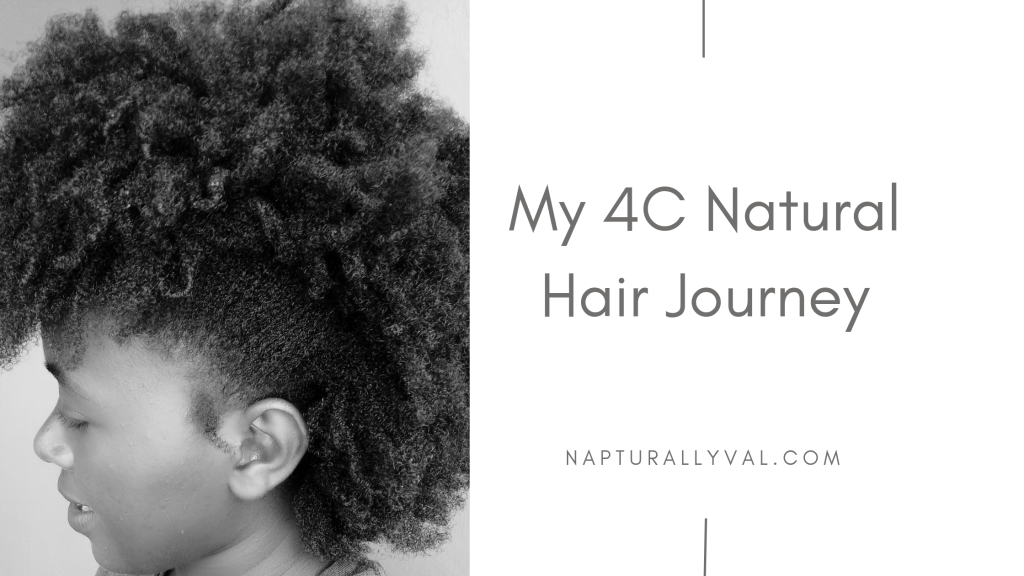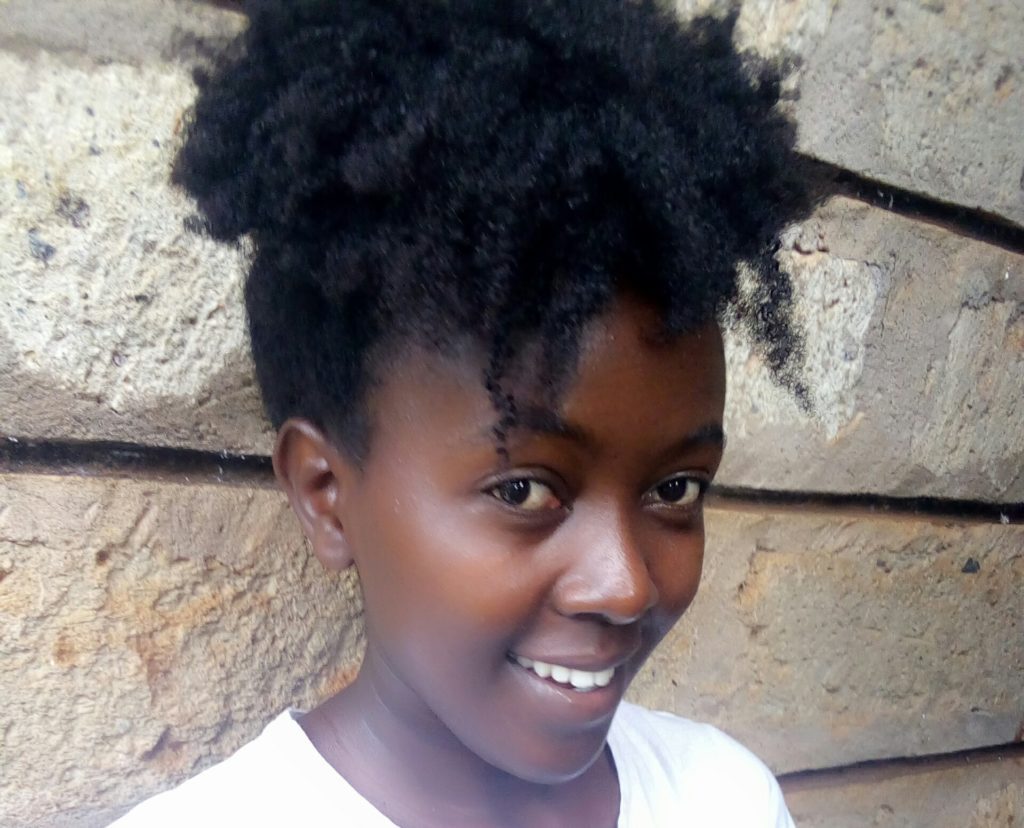
Okay so if you’ve spent more than five minutes in natural hair spaces online, you’ve heard of the LOC and LCO moisturizing methods. Everyone and their mother swears by one or the other, and there’s always that one comment section debate that goes on for approximately 47 replies about which one is superior.
But here’s the question nobody is really answering specifically enough: do these methods actually work for Type 4 natural hair that’s also color-treated?
Because sis, that’s a whole different conversation. Color-treated Type 4 hair has unique needs that a generic “just do LOC and you’re fine!” recommendation doesn’t fully address. So today we’re diving deep; what these methods are, how they work, why Type 4 colored hair responds differently, and how to figure out which one (if either!) belongs in your routine.
Table of Contents
First, Let’s Break Down What LOC and LCO Actually Mean
Because before we can talk about whether they work, we need to make sure we’re all on the same page about what they actually are.
The LOC Method
L — Liquid (or Leave-In Conditioner) O — Oil C — Cream
In the LOC method, you start with a liquid or leave-in conditioner to hydrate the hair, then apply an oil to seal in that moisture, and finish with a cream or butter to lock everything in and add definition.
The idea behind this order is that the liquid provides the initial hydration, the oil creates a barrier to trap it in, and the cream provides an additional seal plus softness and hold.
The LCO Method
L — Liquid (or Leave-In Conditioner) C — Cream O — Oil
The LCO method flips the last two steps, cream goes before oil. Here, the liquid hydrates, the cream adds moisture and helps distribute hydration evenly throughout the strand, and the oil seals everything in at the very end.
The logic here is that the cream absorbs into the hair more effectively when it’s applied before the oil, since oil creates a barrier that can block cream absorption if applied first.
So What’s the Actual Difference?
The difference is about the order of sealing. In LOC, you seal with both oil AND cream. In LCO, the oil is the final, outermost seal. Both methods aim to achieve the same goal which is maximum moisture retention but they get there differently, and different hair types respond to each method in different ways.

amika hydro dream hair routine trial set
Why Type 4 Natural Hair Specifically Needs a Moisture Method
Type 4 hair, whether you’re 4A, 4B, or 4C has the tightest curl pattern of all hair types. That tight coil structure means a few very important things when it comes to moisture:
Natural oils struggle to travel down the shaft. Your scalp produces sebum just like everyone else’s, but because of the tight curl pattern, that oil can’t travel down the length of your hair the way it can on straighter textures. This is why Type 4 hair is naturally drier than other types.
The cuticle is constantly raised. The bends and twists in tightly coiled hair mean the cuticle layer is naturally more lifted in places, which means moisture can escape more easily.
Shrinkage means more surface area exposure. When your hair is in its natural shrunken state, the coils are densely packed which sounds like protection, but it also means product needs to be applied more carefully to actually reach every strand.
All of these factors mean that Type 4 hair loses moisture faster and more easily than other hair types. That’s the whole reason moisture methods like LOC and LCO were developed to create a system that deposits moisture and keeps it there.
Now Add Color to the Equation
If Type 4 hair is already working overtime to stay moisturized, color-treated Type 4 hair is running a full marathon without water. Here’s why:
Color processing raises and sometimes permanently damages the cuticle. When dye or bleach is applied, it has to penetrate the cuticle to deposit or remove pigment. This process lifts and weakens the cuticle layer and the more aggressive the color service (hello, bleaching), the more damage is done.
Color-treated hair is almost always higher porosity. Higher porosity means the cuticle has gaps or holes that let moisture in quickly but also let it escape just as quickly. It’s like trying to fill a bucket with holes in it.
The protein structure of the hair is compromised. Color processing breaks down some of the hair’s natural keratin, leaving strands weaker and more prone to breakage under manipulation.
Color-treated hair is thirstier and more reactive to products. Certain ingredients that might be fine on virgin hair can cause issues on color-treated strands like heavy buildup, color stripping, or dullness.
All of this means that when it comes to LOC or LCO on color-treated Type 4 hair, the execution matters just as much as the method itself.
So… Does LOC Work on Color-Treated Type 4 Hair?
Short answer? Yes, but with modifications.
Long answer? It depends on your porosity, the type of color you have, how damaged your hair is, and the specific products you’re using. Let’s break it down by hair scenario.
LOC Method for Color-Treated Type 4 Hair
Best for: High porosity color-treated hair (which is most bleached or heavily processed hair), 4B and 4C hair that tends to be very dry, hair that needs intense, long-lasting moisture.
Why it works: High porosity hair absorbs the liquid phase quickly but needs that double sealing layer (oil then cream) to actually retain it. The oil creates a barrier over the hydrated strand, and the cream on top provides an additional coat plus softness. For high porosity Type 4 colored hair that loses moisture fast, this double-sealing approach can be genuinely life-changing.
The catch: If your cream is too heavy or your oil too thick, layering both on top of each other can lead to buildup and greasiness especially if you’re not washing frequently enough. Choosing the right product weights for your hair density is key.
Who should be cautious: If your color-treated hair is low porosity (less common after coloring, but possible with mild color services), the LOC method can be too heavy and cause product buildup on the surface of your strands rather than absorbing properly.
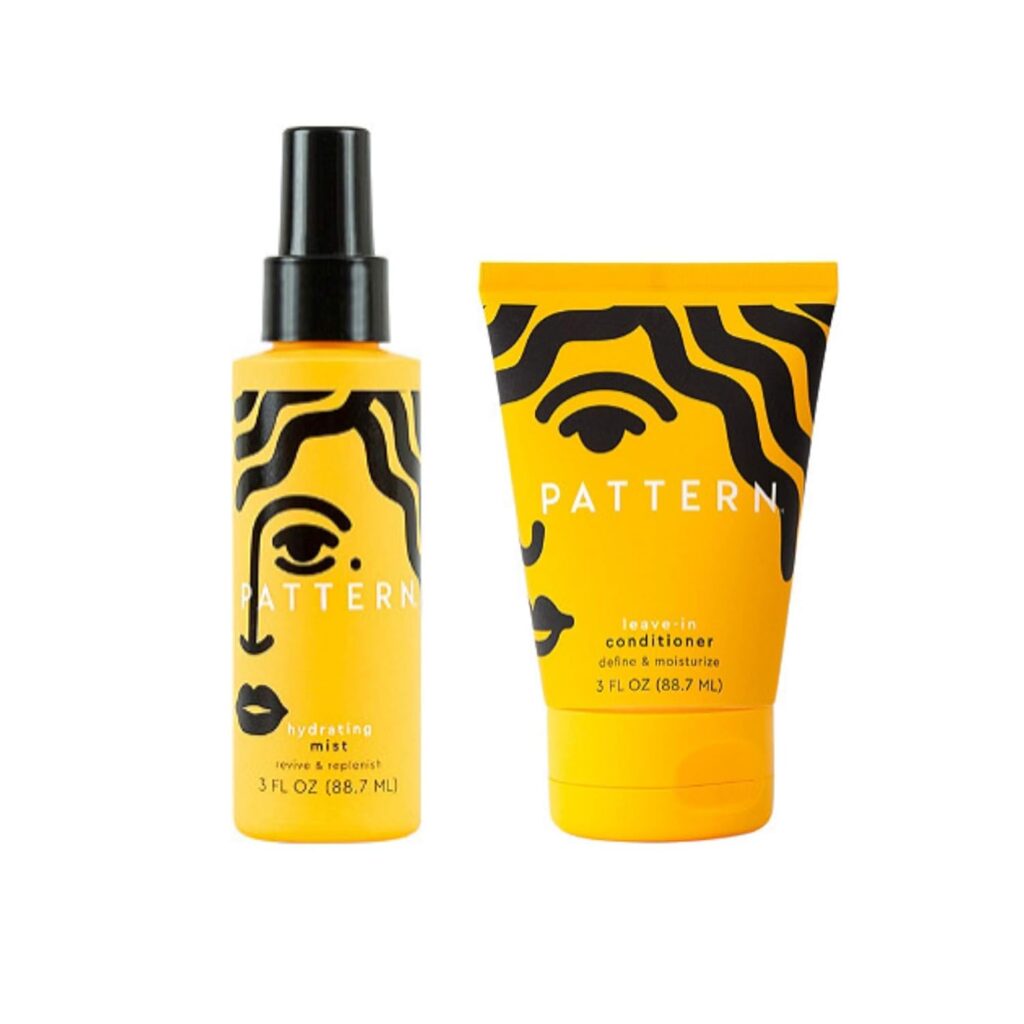
Pattern Hydrating Mist & Leave-In Conditioner | Define and Moisturize your Curls! Revive and Replenish Mist!
LCO Method for Color-Treated Type 4 Hair
Best for: Low to normal porosity color-treated hair, finer Type 4 textures that get weighed down easily, hair that tends toward buildup with heavy products.
Why it works: Applying the cream before the oil means the cream can actually absorb into the hair shaft rather than being blocked by an oil layer. Then the oil goes on top as the final seal. For hair that absorbs products more slowly (lower porosity), this order helps ensure the moisturizing cream actually penetrates rather than just sitting on the surface.
The catch: For very high porosity, severely bleach-damaged hair, LCO might not provide enough lasting moisture because the cream alone (before the oil) doesn’t create as strong a retention barrier as the oil-then-cream combo in LOC.
Who should be cautious: If your hair is very thirsty and high porosity, you might find that LCO just doesn’t hold moisture long enough between wash days. You might need to switch to LOC or add an extra sealing step.
The Porosity Factor: This Is the Real Key
We keep coming back to porosity, and that’s because for color-treated Type 4 hair, porosity is genuinely the deciding factor between LOC and LCO. Here’s a quick reference:
High Porosity Color-Treated Hair → LOC Method Your hair absorbs everything quickly but loses it just as fast. The double sealing layers of LOC (oil, then cream) give your strands the best chance of retaining moisture for more than a day. Look for heavier creams and oils like castor oil, shea butter, and avocado oil.
Low Porosity Color-Treated Hair → LCO Method Your hair resists products sitting on top of it. Cream before oil means the cream can actually get in before the oil seals things. Use lighter products; water-based leave-ins, lighter creams, and oils like argan or grapeseed.
Normal/Medium Porosity Color-Treated Hair → Either Can Work Lucky you! Try both over a few weeks and see which one your hair responds to better. Most medium porosity naturals do well with LCO because it’s a bit lighter, but LOC works too depending on the season and how dry your hair is feeling.
Not sure of your porosity? Do the float test; drop a clean strand of hair in a glass of water. Sinks fast = high porosity. Floats = low porosity. Floats then slowly sinks = medium porosity. Simple, free, and actually helpful.
The Products You Use Matter Just As Much As the Method
Here’s the honest truth that a lot of LOC/LCO conversations miss: the method is only as good as the products you use within it. For color-treated Type 4 hair, your product choices within each step need to be intentional.
The L (Liquid / Leave-In): What to Look For
Your liquid step is your foundation. For color-treated hair, you want a leave-in that is water-based (water should be the first ingredient), free of sulfates and harsh alcohols, moisturizing but lightweight enough to actually absorb, and color-safe.
Avoid leave-ins with heavy silicones as the first few ingredients, they can create a coating that blocks subsequent product absorption and dulls your color over time.
The O (Oil): Choosing the Right One for Your Porosity
Not all oils behave the same way on your hair, and this is where so many people go wrong with the LOC/LCO method.
Penetrating oils (absorbed into the hair shaft): Coconut oil, olive oil, avocado oil, castor oil. These are great for high porosity hair that needs oil to work from inside the strand.
Sealing oils (sit on top of the hair to seal): Argan oil, grapeseed oil, jojoba oil, sweet almond oil. These are better for low to medium porosity hair as a final sealant in the LCO method.
For color-treated hair specifically, be careful with heavy coconut oil if your hair is already protein-sensitive, coconut oil can sometimes contribute to protein buildup and stiffness on fragile colored strands.
The C (Cream / Butter): Moisture and Definition
Your cream step is where you get softness, definition, and added moisture. For color-treated Type 4 hair, look for creams with shea butter, mango butter, aloe vera, or humectants like glycerin and honey. Make sure it’s free of harsh sulfates and color-stripping ingredients. Choose a weight that matches your hair density; fine Type 4 hair needs lighter creams, dense Type 4 hair can handle richer butters.
Product Recommendations for Your LOC/LCO Routine
Here are the best products for each step of your LOC or LCO routine, specifically chosen with color-treated Type 4 hair in mind.
L — Liquid / Leave-In Step
1. As I Am Leave-In Conditioner A true staple for a reason. Water-based, lightweight, and free of sulfates and parabens. It absorbs beautifully into Type 4 coils without causing buildup and plays incredibly well with oils and creams layered on top. Color-safe and affordable, genuinely hard to beat for the price.
2. Kinky Curly Knot Today Leave-In Detangler A fantastic leave-in that doubles as a detangler, perfect for color-treated 4C hair that tangles easily. It’s light, water-based, and made with organic ingredients. Works beautifully as the first step in both LOC and LCO.
O — Oil Step
3. Jamaican Mango & Lime Black Castor Oil A heavy sealing oil that is absolutely perfect for high porosity, color-treated 4C hair. It seals in moisture like nothing else and also strengthens the strand over time. Use it in the O step of LOC for serious moisture retention.
4. Carol’s Daughter Goddess Strength 7 Oil Blend Scalp and Hair Oil A lighter oil blend that works beautifully for medium to low porosity color-treated hair. It absorbs well without leaving heavy residue and is color-safe. Great for the O step in LCO where you need a final seal that isn’t too heavy.
C — Cream / Butter Step
5. Moroccanoil Hydrating Styling Cream A leave-in styling cream that sets the stage for smooth, hydrated and frizz-free hair. Infused with antioxidant-rich argan oil.
6. Maui Moisture Curl Quench + Coconut Oil Hydrating Curl Cream Smoothie This styling cream is ideal for fine to normal texture, wavy to tight curl patterns, & medium to high porosity hair. It helps detangle & define curls while enhancing softness & body for shiny, bouncy curls, coils, & waves
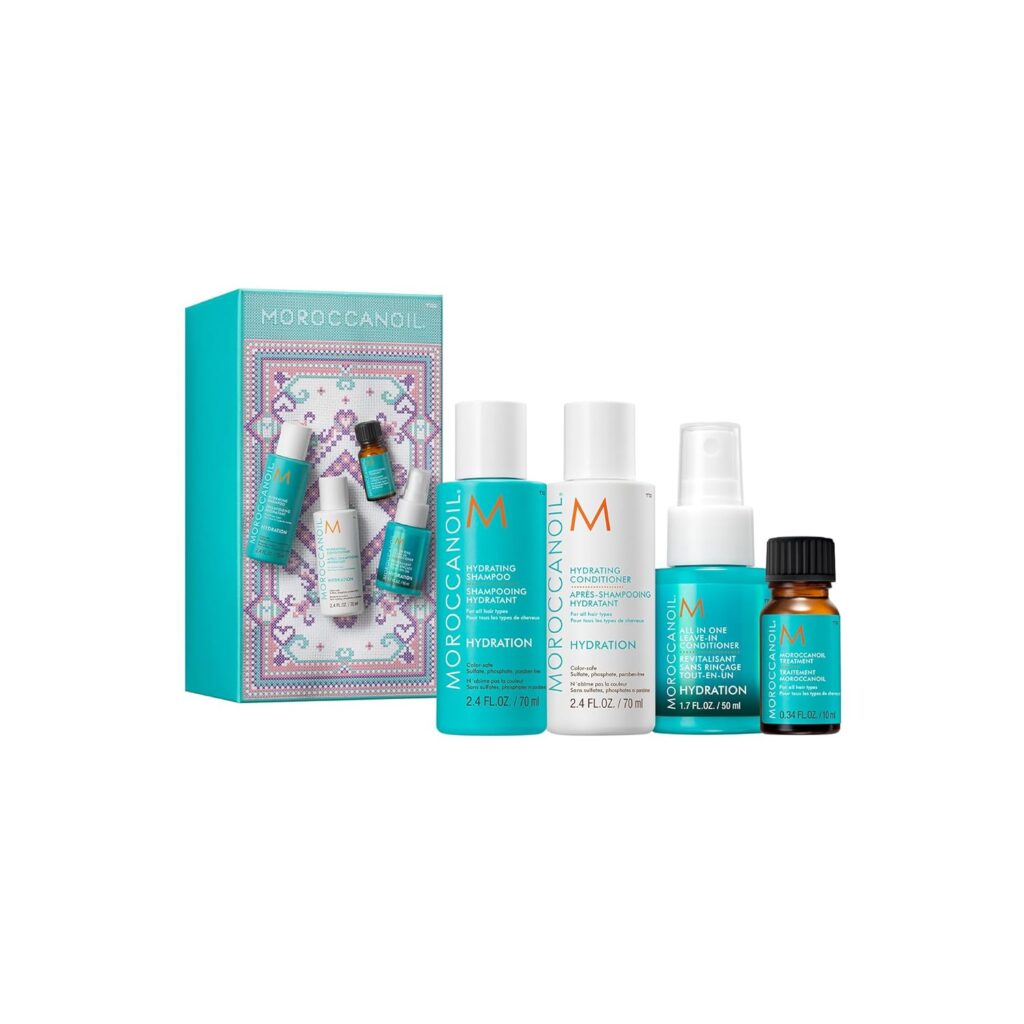
Discover best sellers from Moroccanoil with this exclusive mini set, featuring travel sizes of Hydrating Shampoo & Conditioner, Moroccanoil Treatment, and Leave-in Conditioner.
Common LOC/LCO Mistakes on Color-Treated Type 4 Hair
Even with the right products and the right method, there are a few mistakes that can completely sabotage your results. Let’s make sure you’re not making any of these:
Applying to dry hair. Both LOC and LCO work best on soaking wet or very damp hair fresh out of the shower. Your leave-in and subsequent layers absorb so much better when the hair shaft is already open and hydrated. Spritzing dry hair with a little water from a bottle is not the same thing, get your hair genuinely wet.
Using too much of everything. More is not more with layering methods. Start with small amounts of each product and build up as needed. Overloading with product is one of the fastest ways to cause buildup and buildup is especially problematic for color-treated hair because it dulls your color and blocks moisture.
Skipping the deep condition and going straight to LOC/LCO. The LOC and LCO methods are your moisturizing, styling and sealing routine not a replacement for deep conditioning. Your hair still needs a proper deep conditioning session on wash day. LOC/LCO maintains the moisture you put in during deep conditioning; it doesn’t replace that step.
Using the wrong oil for your porosity. Coconut oil on low porosity hair, for example, tends to just sit on top and cause buildup. Match your oil to your porosity (see the breakdown earlier in this post!) and your results will improve dramatically.
Not sealing your ends. Your ends are the oldest and most fragile part of your hair and for color-treated hair, they’re often the most damaged. Always give your ends extra attention and product during your LOC or LCO application. They need the most moisture and the most sealing.
Expecting it to work the same year-round. Humidity, temperature, and season all affect how much moisture your hair needs and how well products absorb. You might need to switch between LOC and LCO based on the season; lighter in humid summer months, heavier in dry winter months.
LOC vs. LCO: A Side-by-Side Breakdown for Color-Treated Type 4 Hair
Here’s everything in one easy comparison so you can decide which to try first:
LOC Method Order: Liquid → Oil → Cream Best for: High porosity, severely bleached or color-damaged hair, 4B/4C hair that is very dry Moisture longevity: Higher, the double seal retains moisture longer Risk: Can feel heavy or greasy if products are too thick Season: Great for dry, cold months when hair needs maximum moisture
LCO Method Order: Liquid → Cream → Oil Best for: Low to medium porosity color-treated hair, finer Type 4 textures, hair prone to buildup Moisture longevity: Good, lighter feel with solid retention Risk: May not be enough for very high porosity, severely damaged hair Season: Great for humid months when you want lighter coverage
The Honest Answer: Do These Methods Work on Color-Treated Type 4 Hair?
Yes. Genuinely, yes, when done correctly.
The LOC and LCO methods were practically designed for Type 4 hair, and color-treated Type 4 hair benefits from them even more because of how desperately it needs moisture retention. The key is understanding that the method is a framework, not a rigid rule. You need to customize it based on your porosity, your specific color service, your hair density, your climate, and the products you have access to.
If you’ve tried LOC or LCO before and it didn’t work, don’t write it off. Chances are it was a product issue, a porosity mismatch, or an application issue, not a method issue. Try adjusting one variable at a time and pay attention to how your hair responds.
Your color-treated Type 4 hair is capable of being soft, moisturized, and thriving. You just need the right system to get it there, and LOC or LCO might be exactly that system.
Go experiment, take notes, and figure out what YOUR hair loves. That’s the real secret.
Frequently Asked Questions
Q: Can I switch between LOC and LCO depending on how my hair feels?
A: Absolutely and honestly, this is encouraged! Your hair’s needs change based on the season, your last wash day, how much manipulation it’s been through, and even your hormones. Paying attention to how your hair feels and switching methods accordingly is a sign that you really know your hair. Many color-treated Type 4 naturals use LOC in the winter when their hair is drier and LCO in the summer when humidity is doing some of the moisture work for them.
Q: How long should my hair stay moisturized if I’m using LOC or LCO correctly?
A: For most Type 4 naturals, a well-executed LOC or LCO routine should keep your hair feeling soft and moisturized for anywhere from 3–7 days. Color-treated hair on the higher porosity end may find their hair needs refreshing after 2–3 days. If your hair feels dry within 24 hours, something in your routine needs adjusting, either your products, your porosity-method match, or your application technique.
Q: Do I need to do LOC or LCO after every wash, or just sometimes?
A: For color-treated Type 4 hair, you’ll benefit most from doing your LOC or LCO routine after every wash day. Consistency is key with moisture methods, your hair thrives when it can rely on a regular routine. You can also do a lighter version (just L and O, or just L and C) on refresh days between washes when your hair needs a little pick-me-up without a full product application.
Q: My hair gets product buildup really easily. Can I still do LOC or LCO?
A: Yes, but you need to be more strategic with your product choices. Opt for lighter, water-based products at every step, use smaller amounts than you think you need, and make sure you’re clarifying your hair regularly (at least once a month) to reset and remove buildup. LCO tends to be better for buildup-prone hair than LOC since the layers are generally lighter. Also check your ingredients, heavy silicones and mineral oil are big contributors to buildup on Type 4 hair.
Q: I have 4C hair and it always feels dry no matter what I do. Will LOC actually help?
A: First of all, you are not alone in this struggle, bestie. Persistent dryness in 4C hair usually comes down to one of a few things: not starting with wet enough hair, using products that aren’t actually penetrating the strand (often a porosity issue), skipping or rushing the deep conditioning step, or having significant product buildup that’s blocking moisture. Before starting LOC, make sure your wash day is solid, a good clarifying shampoo followed by a thorough moisturizing deep condition with heat is essential. LOC or LCO maintains moisture; it can’t create it from scratch if the foundation isn’t there.
Q: Can I do LOC or LCO on stretched or blown-out color-treated 4C hair?
A: Yes! You might actually find that LOC or LCO is even more effective on stretched hair because the products can coat each strand more evenly without fighting through tightly packed coils. Use lighter products on stretched styles to avoid weighing the hair down, and pay extra attention to your ends since they’re the most exposed and vulnerable, especially on color-treated hair.
Q: What if I’m allergic or sensitive to some of the common LOC ingredients like shea butter or coconut oil?
A: Totally valid concern! You don’t have to use any specific ingredient to make LOC or LCO work, the method is about the layering principle, not the specific products. If shea butter breaks you out or coconut oil causes buildup on your hair, simply swap it out for something that works for you. Mango butter, avocado butter, or kokum butter can substitute for shea. Argan oil, marula oil, or hemp seed oil can substitute for coconut oil. The framework is flexible, make it yours.
Q: Does the LOC method work differently on 4A versus 4B versus 4C color-treated hair?
A: Great question! All Type 4 subtypes benefit from moisture methods, but there are some nuances. 4A hair has a more defined curl pattern and is slightly less prone to dryness than 4B or 4C, it often does well with LCO and lighter products. 4B hair has a more zigzag pattern with less definition and typically needs medium-weight products in either LOC or LCO. 4C hair has the tightest coil with the least definition and usually needs the richest products often benefiting most from LOC with heavy creams and sealing oils. But as always, porosity and individual hair characteristics will influence this more than curl pattern alone.