Hey curlfriend, let’s talk about something that honestly confuses SO many of us with 4C hair, especially when we’ve also got color in the mix. Protein treatments. You’ve probably heard conflicting things: “Do them every wash day!” versus “Girl, don’t touch protein, it’ll break your hair off.” And honestly? Both of those people have a point, they’re just missing the full picture.
So grab your leave-in and let’s get into it, because your color-treated 4C coils deserve a proper explanation.
Feel like your hair has been the same length forever, I’ve an Ebook that will help you grow your hair healthier, longer and thicker. Grab your copy here… Also, check out all the Ebooks,guides and journals that will go a long way in your hair care journey here.
Table of Contents
When and Why you Should use Protein Treatments on Colored 4C Natural Hair
First, Let’s Talk About What Protein Actually Does
Your hair is made up of a protein called keratin. Every single strand. When you color your hair, whether that’s a full bleach, a permanent dye, semi-permanent color, or even henna, the process opens up your hair cuticle to deposit or remove pigment. That process also strips away some of that precious protein, leaving your strands weaker, more porous, and more prone to breakage.
4C hair already has a naturally tighter curl pattern that makes it harder for sebum (your scalp’s natural oil) to travel down the shaft. That means our hair is already working overtime to stay moisturized. Add color damage on top of that? Sis, we need a plan.
Protein treatments work by temporarily filling in the gaps in your hair shaft, think of it like patching potholes in a road. They strengthen the strand, reduce elasticity issues, and help your hair hold onto moisture better.
But, and this is a big but, too much protein on 4C hair causes what’s called protein overload, and that is a whole situation we want to avoid.
The Protein-Moisture Balance: Your New Best Friend
Before we get into when to use protein and when to skip it, you need to understand this concept: the protein-moisture balance.
Your hair needs BOTH protein and moisture to thrive. They work together like a team. When one gets out of balance, your hair starts to protest:
Too much protein? Your hair feels stiff, brittle, and snaps easily. It might feel like straw, and ironically, it looks drier than ever.
Too much moisture (not enough protein)? Your hair feels mushy, stretches way too much without snapping back, and has little to no definition. It’s limp and weak.
For color-treated 4C hair, we’re walking a tightrope between these two. The goal is balance, always.
Signs Your Color-Treated 4C Hair Is CRYING for Protein
Okay, so how do you actually know if your hair needs protein? Here are the signs your strands are giving you, loud and clear:
1. The Stretch Test Shows Too Much Elasticity Wet a single strand and gently stretch it. If it stretches a LOT before snapping or doesn’t snap back at all, your hair is over-moisturized and protein-deficient. Healthy hair should stretch a little and then return to its original length.
2. Excessive Shedding or Breakage Some shedding is totally normal (50–100 strands a day, per most hair experts). But if you’re noticing a lot of mid-strand breakage (not breakage at the root), your strands may be weak and need protein support.
3. Your Hair Feels Mushy When Wet If your hair feels kind of gummy, soft, or mushy when it’s wet, like it has zero structure, that’s a classic sign of over-moisturized, protein-deficient hair.
4. Your Color-Treated Hair Feels Limp and Lifeless Freshly colored hair that suddenly won’t hold a style, curl, or definition? Your cuticle might be too compromised to hold shape.
5. It’s Been a While Since You Colored The first 4–8 weeks after a color service (especially bleach or lifting color) is when your hair is most vulnerable. If you haven’t done a protein treatment since then, it might be time.
Signs Your Hair Has Had ENOUGH Protein (Skip It, Sis!)
Now, this is equally important. Here’s when to put the protein DOWN:
1. Your Hair Feels Like Straw If your strands feel rough, dry, and stiff even after moisturizing, protein overload might be the culprit. Adding more protein will only make it worse.
2. It’s Snapping Like Crazy Counterintuitively, TOO much protein causes breakage too, except this kind is brittle, short snaps. If your hair is snapping without much stretch, you need moisture, not more protein.
3. Your Hair Feels Hard or Crunchy Not “good gel crunch”, we mean even after washing. If your hair feels rigid and won’t soften up, lay off the protein.
4. You’ve Done a Protein Treatment Recently Unless you’re in a serious emergency, most 4C naturals don’t need protein more than once every 4–6 weeks. If you just did one last week, chill.
5. Your Hair Is Highly Moisturized and Thriving If your wash days are going great, your hair is defined, soft, stretchy (in a healthy way), and breaking minimally, don’t fix what ain’t broke!
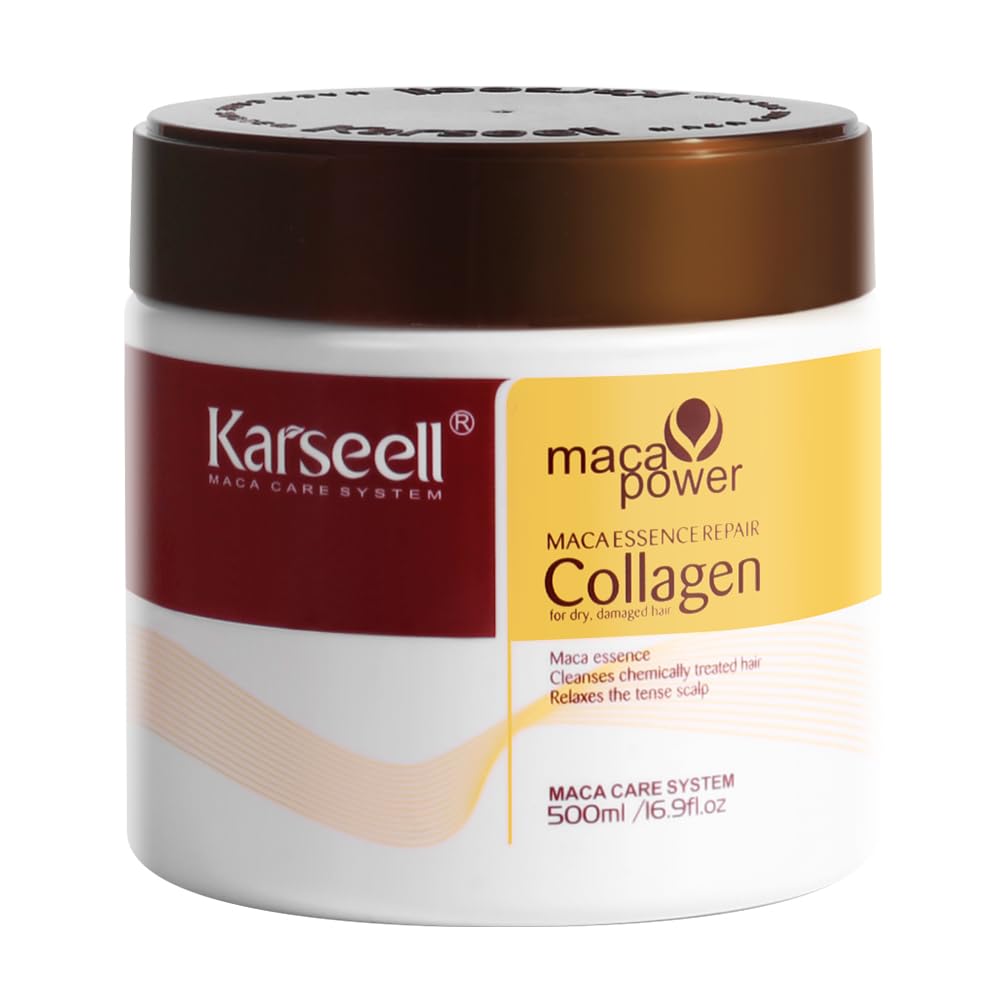
Karseell Collagen Hair Treatment Deep Repair Conditioning
Types of Protein Treatments (Not All Are Created Equal)
Here’s what your fave natural hair influencer might not be telling you: protein treatments come in different strengths, and for color-treated 4C hair, the strength matters a LOT.
Light Protein (Great for Regular Maintenance)
These are your everyday conditioners that contain small amounts of hydrolyzed proteins, things like wheat protein, silk amino acids, or rice protein. They’re gentle, they work beautifully for maintaining the protein-moisture balance without overwhelming your strands.
Best for: Bi-weekly or monthly maintenance, mildly color-treated hair, hair that’s in decent shape overall.
Medium Protein (The Sweet Spot for Most of Us)
These are dedicated protein treatments or conditioning masks that have more concentrated proteins. They usually sit on your hair for 15–30 minutes. This is where most of your deep conditioning protein treatments fall.
Best for: Hair that’s been lightened or dyed, showing moderate signs of weakness, or is 4–6 weeks post-color.
Heavy/Hard Protein (For Emergency Use Only)
Think APHogee Two-Step, Joico K-Pak, etc. These are serious treatments, some require heat. They’re for severely damaged, over-processed, or extremely porous hair.
Best for: Hair that’s extremely damaged from bleach, chemical services, or heat damage. Not an everyday thing AT ALL. After a hard protein treatment, using a moisturizing deep conditioner is non-negotiable.
Your Protein Treatment Schedule for Color-Treated 4C Hair
Here’s a general guide, but remember, your hair is going to tell you what it needs. Use this as a starting framework:
Immediately after coloring or bleaching: A light or medium protein treatment within the first wash after your color service is a game-changer. It helps fortify the hair before any additional manipulation.
Weeks 1–4 post-color: Prioritize moisture, moisture, moisture, but sneak in a light protein every other wash day if you’re noticing weakness.
Ongoing maintenance: Most color-treated 4C naturals do well with a medium protein treatment once every 4–6 weeks, balanced by consistent deep conditioning with moisture-rich treatments in between.
After a hard protein treatment: Wait at least 4–6 weeks before doing another one. Follow up immediately with a moisturizing deep conditioner and keep hydrating.
The Do’s and Don’ts of Protein for Color-Treated 4C Hair
DO:
- Always follow protein with a moisturizing deep conditioner
- Pay attention to what your hair is telling you (the stretch test is your friend!)
- Start with lighter proteins before jumping to hard treatments
- Seal in moisture after every protein treatment
- Use heat (a hooded dryer or steam) to enhance your deep conditioning post-protein.
DON’T:
- Do back-to-back protein treatments without moisturizing in between
- Use hard protein treatments on already-stiff or brittle hair
- Assume protein = more = better
- Skip the moisture step after protein. Ever.
- Do a heavy protein treatment on freshly colored hair that hasn’t been assessed yet
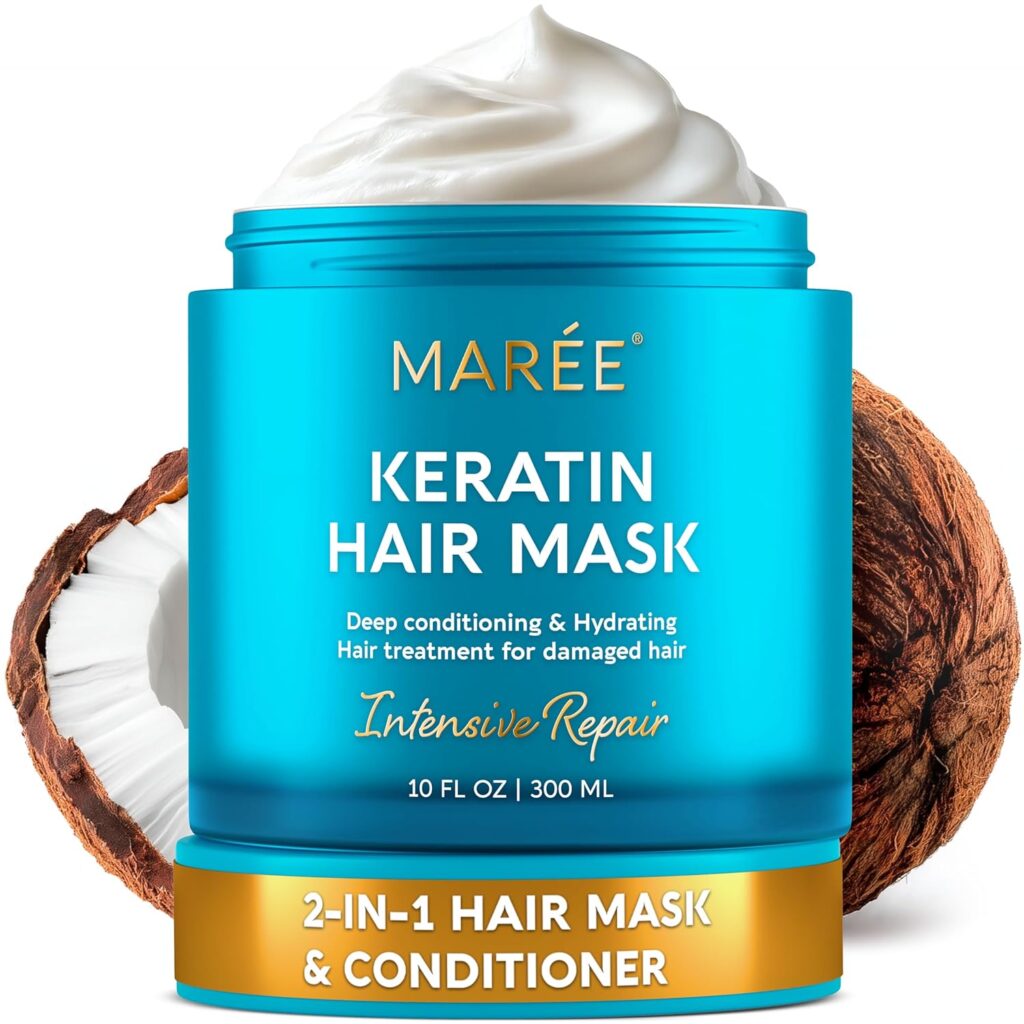
MAREE Deep Conditioning Hair Mask for Damaged Hair Treatment – Keratin Hair Care for Hydrating Growth Repair Moisturizing – Dry Curly Color Refreshing
Protein Treatment Recommendations for Color-Treated 4C Hair
Okay girl, let’s talk products. These are tried-and-true options across different protein levels, available right on Amazon so you can get them to your doorstep ASAP.
1. SheaMoisture Jamaican Black Castor Oil Strengthen & Restore Treatment Masque A fan favorite for a reason. It contains pea protein and works beautifully for 4C hair that needs gentle strengthening without going overboard. It also has enough slip to detangle like a dream.
2. Briogeo Don’t Despair, Repair! Deep Conditioning Hair Mask Loaded with biotin, B vitamins, and algae extract, this mask strikes a gorgeous protein-moisture balance. It’s on the pricier side but WORTH it for color-treated hair. Safe for color-treated hair and smells amazing.
3. Aphogee Keratin 2 Minute Reconstructor This is the gentler sibling of the famous APHogee two-step. It’s a rinse-out treatment that gives your hair a quick protein boost, perfect for after every two weeks use on color-treated 4C hair. Quick, effective, and affordable.
4. OGX Thick & Full + Biotin & Collagen Extra Strength Volumizing Deep Conditioning Protein Treatment A budget-friendly medium protein option that works well for regular maintenance. It helps strengthen strands and adds volume without being too heavy.
5. Aphogee Two-Step Protein Treatment The OG of hard protein treatments. If your hair is severely damaged from bleaching or over-processing, this is the one. MUST a moisturizing deep conditioner. Do not skip those steps.
6. Joico K-PAK Reconstructor Deep Penetrating Treatment A salon-beloved formula that penetrates deeply to repair damaged hair at the cortex level. Great for hair that’s been severely damaged by bleach or multiple color services. Use sparingly.
A Quick Word on Porosity and Why It Matters
Okay last thing, I promise, and this is actually super important for colored hair specifically.
High porosity hair (which most bleached or color-treated hair becomes) absorbs products quickly but LOSES moisture just as fast. If you have high porosity color-treated 4C hair, you’ll likely need protein more regularly because your hair keeps losing what it gains through those open cuticles.
Low porosity hair struggles to let product IN. If you’ve got low porosity 4C hair and you color it, be careful with protein, it can build up on the surface and cause overload faster.
To figure out your porosity, drop a clean strand of hair into a glass of water. If it sinks quickly, it’s high porosity. If it floats for a long time, it’s low porosity. Middle? You’re in the normal range.
Knowing your porosity helps you choose the RIGHT protein treatment, all other hair products too and figure out how often to use them. Game-changing info, honestly.
Frequently Asked Questions: Protein Treatments for Color-Treated 4C Hair
Q: How soon after coloring my 4C hair can I do a protein treatment?
A: You can actually do a light to medium protein treatment at your very first wash after coloring, and honestly, you should! The color process opens and weakens your cuticle, so a protein treatment within the first 48–72 hours helps fortify your strands before any additional manipulation.
Q: Can I do a protein treatment and a moisturizing deep conditioner on the same wash day?
A: Yes, and honestly you SHOULD, always in that specific order. Protein first, moisture second. The protein fills in the gaps and strengthens the strand, then the moisturizing deep conditioner softens everything and seals the cuticle back down. Think of it like plastering a wall and then painting it. Skipping the moisture step after protein is one of the most common mistakes people make, and it’s usually why people say “protein made my hair worse.”
Q: My hair is color-treated AND heat-damaged. Should I use more protein than normal?
A: Not necessarily more, but you’ll want to be more strategic. Double-damaged hair (color + heat) is more fragile and can actually react unpredictably to heavy protein treatments. Start with a medium-strength protein and see how your hair responds before jumping to a hard treatment. Also make sure you’re deep conditioning with moisture religiously in between. If the damage is severe, it may be worth consulting a licensed stylist who specializes in textured hair before doing an at-home hard protein treatment.
Q: I’ve been natural for years and my hair has always been fine without protein. Do I really need it now that I’ve colored?
A: This is such a good question! Pre-color, your hair may have been perfectly balanced without dedicated protein treatments. But coloring, especially permanent color or anything that involves lifting or lightening, chemically changes your hair’s structure. So yes, your regimen needs to evolve too. That doesn’t mean you need to do intense protein treatments weekly. Even adding a light protein conditioner to your routine every few weeks can make a noticeable difference in strength and resilience post-color.
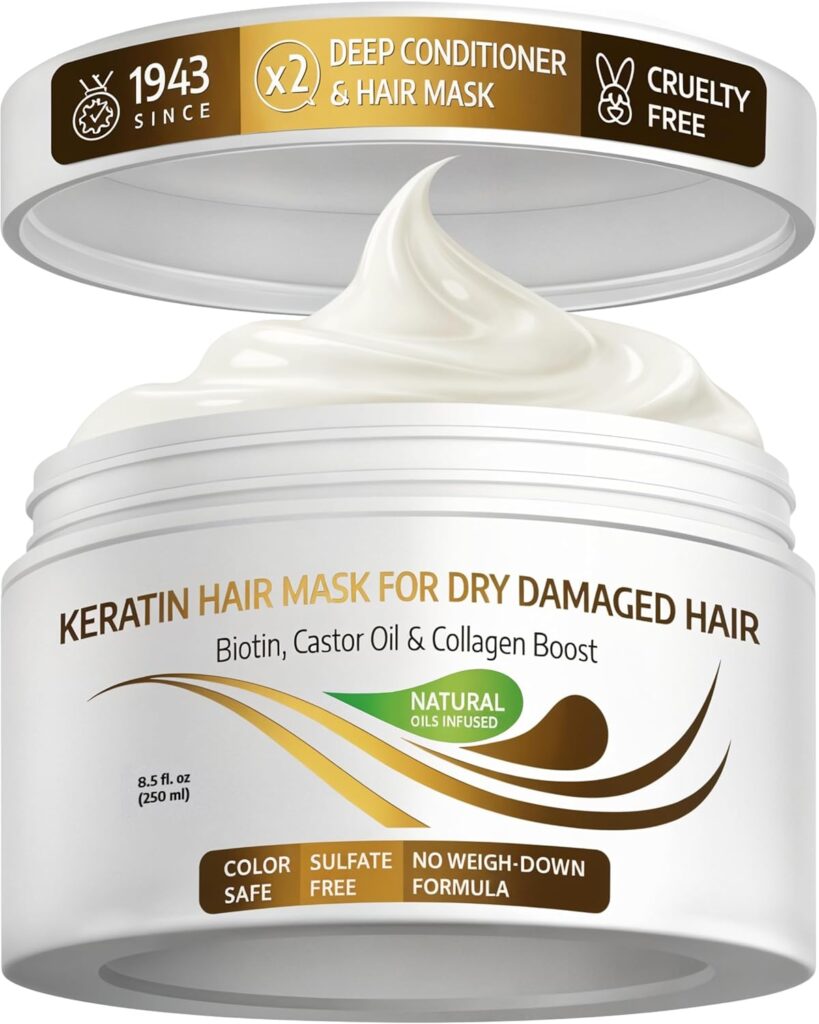
VITAMINS hair cosmetics Keratin Hair Mask – Protein Repair Keratin Treatment – Deep Conditioner for Dry, Damaged, Curly, Straight & Frizzy Hair with Biotin, Collagen & Castor Oil
Q: What’s the difference between hydrolyzed protein and regular protein in hair products?
A: Great question! Hydrolyzed protein has been broken down into much smaller molecules, which means it can actually penetrate the hair shaft rather than just sitting on top of it. Regular (non-hydrolyzed) protein molecules are too large to absorb properly, so they mostly coat the outside of the strand. For color-treated 4C hair, you want to look for products with hydrolyzed proteins like hydrolyzed keratin, hydrolyzed wheat protein, or hydrolyzed silk because those are the ones actually doing repair work from the inside out.
Q: How long should I leave a protein treatment on my color-treated 4C hair?
A: It depends on the type of treatment! Light protein conditioners can be left on for 5–15 minutes. Medium protein deep treatments typically need 20–30 minutes, adding heat (a hooded dryer, steamer, or even a warm towel wrapped around your head) helps the product penetrate more effectively.
Q: Is there a specific order I should follow on wash day when using protein?
A: Yes! Here’s the cheat sheet for a wash day that includes protein:
- Pre-poo (optional but recommended for 4C hair)
- Shampoo — use a sulfate-free or gentle clarifying shampoo
- Protein treatment — apply, add heat if needed, rinse
- Moisturizing deep conditioner — apply, sit for 20–30 minutes, add heat, rinse
- Leave-in conditioner
- Seal with an oil or butter
- Style as usual
Following this order makes sure your protein actually works, your moisture step counterbalances it, and your hair is set up for a full week of softness and strength.
The Bottom Line, Curlies
Protein treatments are not the enemy, but they’re also not a one-size-fits-all solution. For color-treated 4C hair, the key is:
✔️ Listening to your hair and doing the stretch test regularly ✔️ Choosing the right strength of protein for what your hair actually needs ✔️ ALWAYS following protein with moisture ✔️ Being consistent, not excessive
Your color-treated coils can absolutely thrive; strong, soft, and vibrant. You just have to learn the language your hair is speaking and respond accordingly. You got this!
Got questions? Drop them in the comments, I love chatting all things 4C hair. And if this helped you, share it with a bestie who’s been on the struggle bus with their color-treated curls.