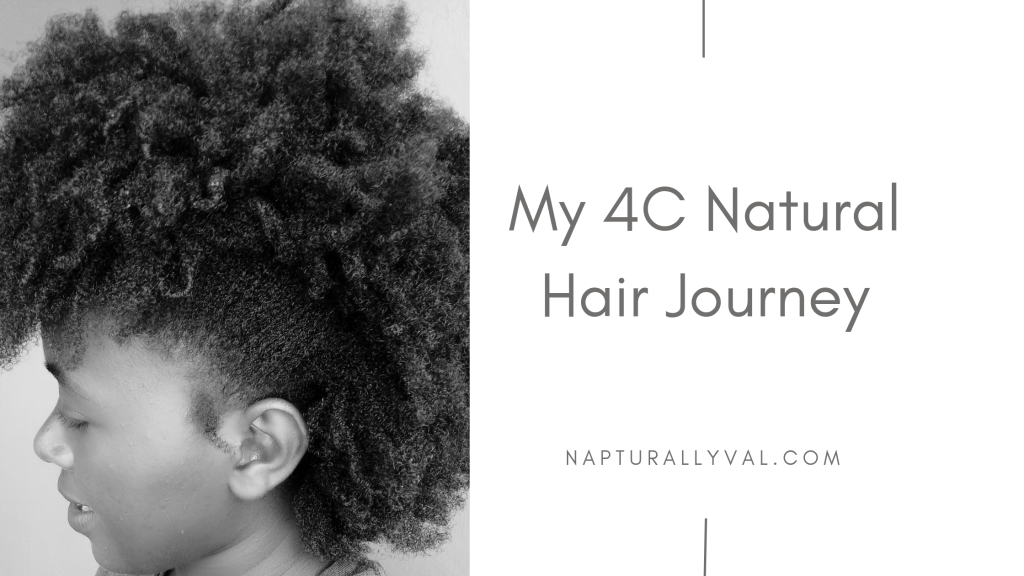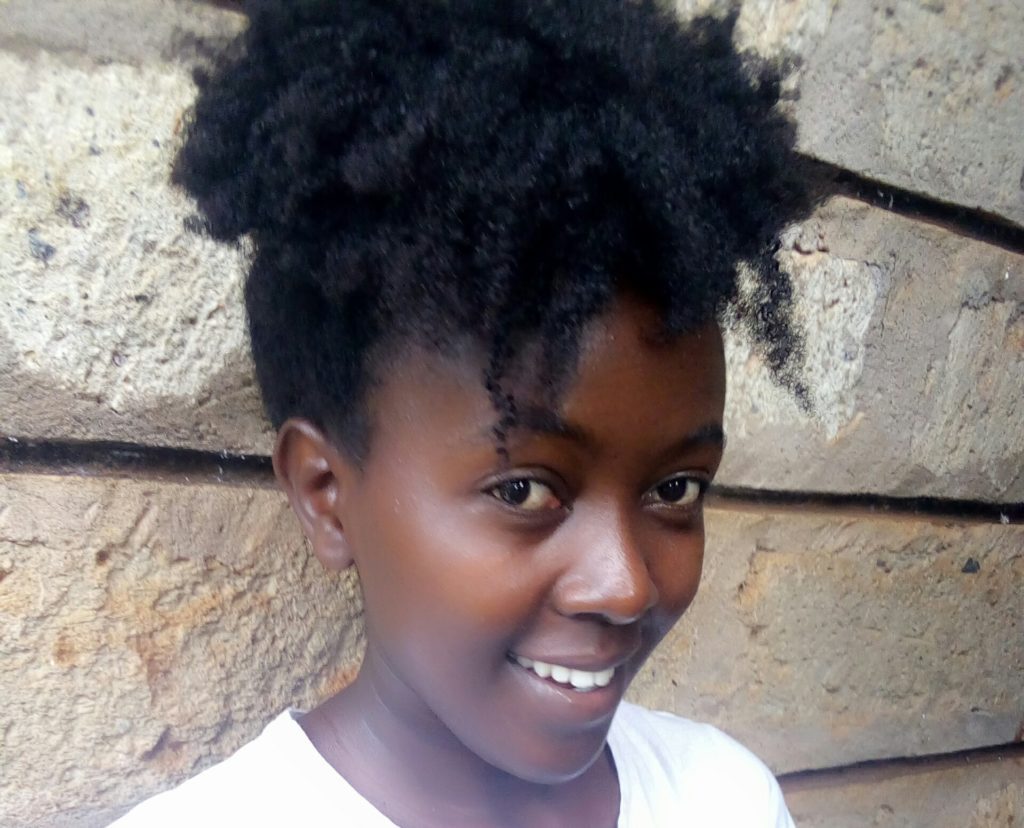
Hey Curlfriend, we need to talk about wash day. Because if you’re out here using the same products on your color-treated hair that you used before you colored, we need to have a gentle but firm conversation. Color-treated hair, especially if you’re rocking vibrant shades, bleached styles, or even just a subtle gloss on your 4C curls has completely different needs than virgin hair.
The good news? Once you build the right product lineup, wash day goes from chaotic and damaging to genuinely restorative. Your hair can actually come out of wash day better than it went in. That’s the goal. So let’s build your perfect color-treated wash day routine from the very first step to the very last drop of product. Hey colored hair girlie, catch up on more blog posts on color treated hair.
Table of Contents
Why Color-Treated Hair Needs a Different Product Approach
Before we get into the good stuff, let’s quickly cover why your product shelf needs an overhaul post-color.
When you color your hair, whether that’s a full bleach, a permanent dye, semi-permanent color, or a toner, the process chemically alters your hair’s structure. The cuticle (the outer protective layer of your strand) gets lifted and sometimes permanently compromised. This means:
Your hair is more porous; it absorbs products faster but loses moisture just as quickly. It’s more fragile, it breaks more easily under tension and manipulation. It’s color-volatile, the wrong products can strip your color in just a few washes. It’s thirsty, it needs more moisture, more consistently, than it did before.
So every product in your wash day lineup needs to account for at least one of these factors. Let’s get into it.
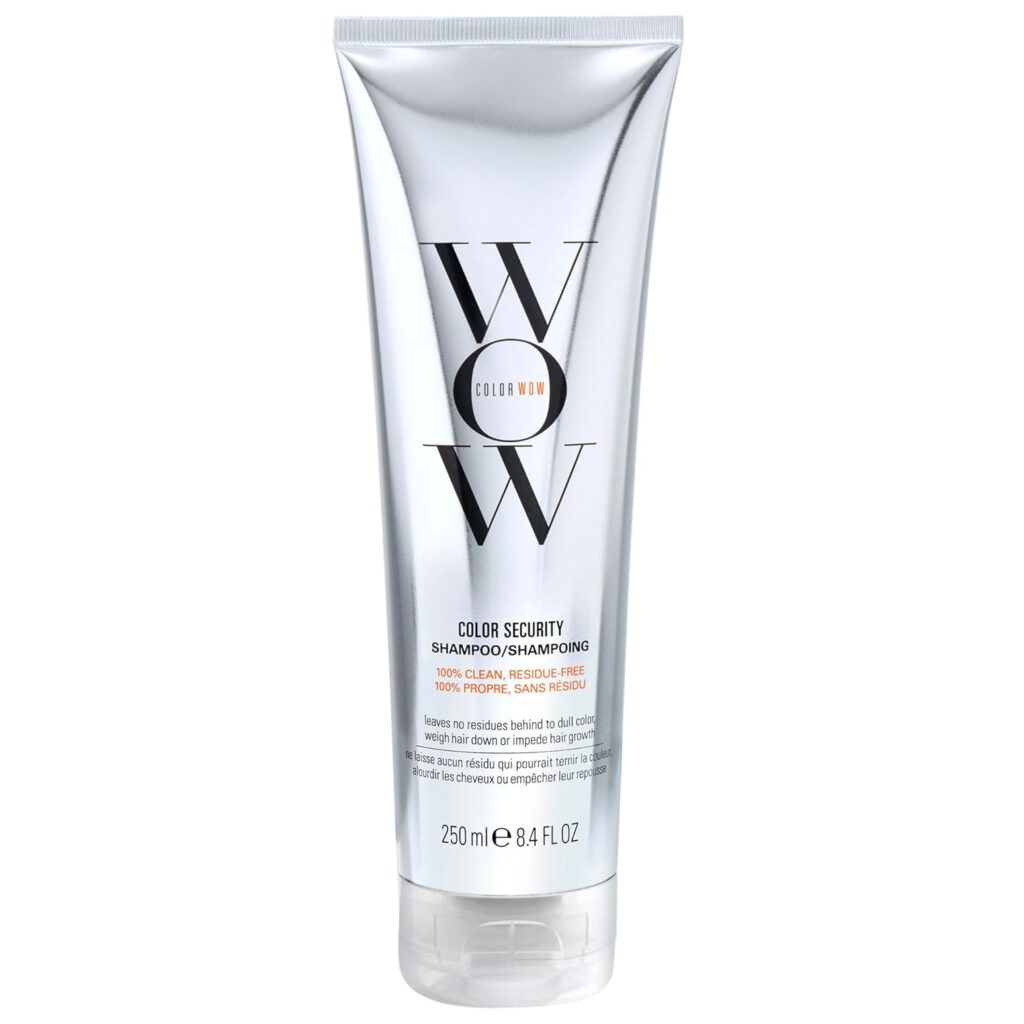
COLOR WOW Color Security Shampoo – Sulfate Free & Residue-Free Formula
Rinse-clean formula protects against color fade and dulling; keeps color fresh, bright and sparkling.
Essential Wash Day Routine Must Have Hair Products
Step 1: Pre-Poo
What It Is and Why You Need It
A pre-poo (pre-shampoo treatment) is exactly what it sounds like, something you apply to your hair before you shampoo. For color-treated hair, this step is genuinely non-negotiable. Shampooing, even with the gentlest formula, can be drying and rough on the cuticle. A pre-poo creates a protective barrier that minimizes moisture loss and reduces friction during washing.
What to Look For
Oils are your best friend here, especially penetrating oils like coconut oil, olive oil, or avocado oil. You can also use a rich conditioner or a dedicated pre-poo treatment. Apply to dry or slightly damp hair, focus on your ends, cover with a plastic cap, and let it sit for at least 20–30 minutes before shampooing.
Favorite Pick
African Pride Moisture Miracle Pre-Shampoo Hair Detangler with Aloe & Coconut Water | Minimizes Breakage, Hydrates & Strengthens | Pre-Poo Treatment for Natural Coils & Curls – An absolute community favorite. It’s lightweight enough to not weigh down your strands but rich enough to provide a solid protective layer before shampooing.
Step 2: Clarifying (But Gently)
Why Clarifying Matters for Color-Treated Hair
Here’s the thing, product buildup is real, and it’s even more of an issue with color-treated hair because we tend to use more products to keep our strands moisturized. Buildup blocks moisture from penetrating and makes your hair look dull. But traditional clarifying shampoos with harsh sulfates? Those will strip your color and your moisture in one go.
The solution is a gentle clarifying shampoo, something that removes buildup without being aggressive. You don’t need to clarify every single wash day, but once or twice a month is usually ideal for color-treated hair.
Favorite Pick
Kinky-Curly Come Clean Natural Moisturizing Shampoo A cult classic in the natural hair world. It clarifies effectively using mild surfactants and sea kelp without stripping color or leaving your hair feeling like sandpaper. Perfect for a monthly reset.
Step 3: Color-Safe Sulfate-Free Shampoo
If there’s one product swap you make after coloring your hair, let it be this one. Sulfate-based shampoos are incredibly harsh on color-treated strands, they lift the cuticle aggressively, fade your color fast, and strip natural oils. A sulfate-free, color-safe shampoo cleanses your scalp and hair without all that drama.
What to Look For
Look for shampoos specifically labeled “color-safe” or “color-protecting.” Bonus points for formulas with UV protection (yes, UV rays fade color!), antioxidants, or strengthening ingredients like keratin or biotin.
Favorite Picks
OGX Fade-Defying + Orchid Oil Shampoo Affordable, widely available, and genuinely effective at preserving color vibrancy. It’s sulfate-free, smells incredible, and leaves hair feeling clean without that stripped feeling. A great everyday color-safe shampoo that won’t break the bank.
Pureology Hydrate Shampoo If you want to invest in something a little more premium, Pureology is the gold standard for color-treated hair. It’s 100% vegan, sulfate-free, and uses a ZeroSulfate formula that’s specifically engineered to protect color. A little goes a very long way.
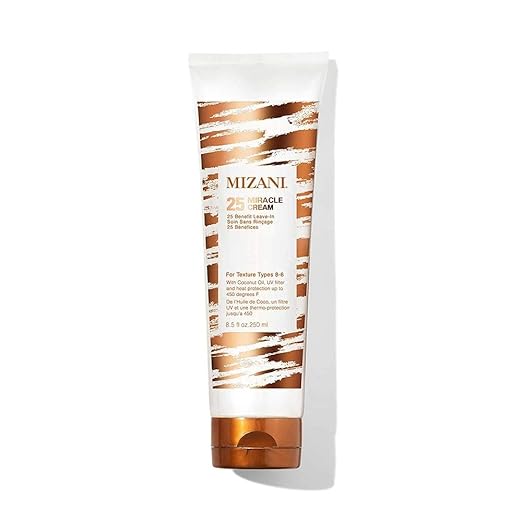
Mizani 25 Miracle Leave-In Cream – Hydrating Curl Cream with Coconut Oil, Curl Defining Leave In Conditioner, Anti Frizz, Heat Protectant, Silicone-Free, Sulfate-Free.
A versatile hair moisturizer that provides 25 essential benefits, including detangling and heat protection, for all curly hair types.
Step 4: Protein Treatment
Why Protein Belongs on Color-Treated Wash Day
We talked about this at length in our protein treatment guide (go read it if you haven’t!), but to summarize: coloring compromises your hair’s keratin structure, and protein treatments help rebuild it. For most color-treated naturals, working a protein treatment into wash day every 4–6 weeks is a game-changer for reducing breakage and improving overall hair health.
Favorite Pick
Aphogee Keratin 2 Minute Reconstructor The perfect balance between effectiveness and ease. It’s a rinse-out treatment that works in just two minutes yes, two and delivers real protein without the drama of a hard protein treatment. Great for incorporating into regular wash days without disrupting your whole routine.
Step 5: Moisturizing Deep Conditioner
If the protein treatment is the structure, the moisturizing deep conditioner is the soul of your wash day. This step is where you genuinely restore moisture, improve elasticity, soften your strands, and bring your color-treated hair back to life. Do NOT rush this step. Do NOT skip this step. Ever.
For color-treated 4C hair specifically, you want a deep conditioner that is rich and creamy, has plenty of slip for detangling, contains humectants (like honey, glycerin, or aloe) to draw in moisture, and is free of harsh sulfates or alcohols.
What to Look For
Ingredients like shea butter, avocado oil, honey, aloe vera, coconut milk are all gold. Apply generously to freshly washed, soaking wet hair, cover with a plastic cap, add heat if possible, and leave on for at least 20–30 minutes.
Favorite Picks
Design Essentials Rosemary & Mint Stimulating Super Moisturizing Conditioner– One of the most beloved and affordable deep conditioners in the 4C natural hair community. It’s incredibly moisturizing, has beautiful slip, and works wonderfully on color-treated strands. The value for the price is unmatched.
Briogeo Don’t Despair, Repair! Deep Conditioning Mask A more premium option that delivers serious moisture AND mild protein support in one mask. It’s free from silicones, sulfates, and parabens, making it ideal for color-treated hair that needs gentle, thorough care. It’s a splurge but it genuinely performs.
Step 6: Leave-In Conditioner
You just spent 30 minutes deep conditioning your hair, the worst thing you can do now is skip the leave-in and let all that moisture evaporate into thin air. A leave-in conditioner provides a layer of sustained hydration that keeps your strands soft, manageable, and protected throughout the week.
For color-treated 4C hair, you want something with enough moisture and slip to help with detangling, without being so heavy that it weighs your curls down or causes buildup.
What to Look For
Water should be the first ingredient. Look for lightweight but nourishing formulas, something that absorbs well into your strands rather than sitting on top. Bonus if it has UV protection to help preserve your color between washes.
Favorite Pick
As I Am Leave-In Conditioner A true staple in the 4C community. It’s lightweight, hydrating, and works beautifully as the first step in the LOC or LCO method. It plays well with other products and doesn’t cause buildup with regular use.
Step 7: Hair Oil and Butter
Remember how we said color-treated hair is more porous? That means moisture escapes faster. A sealing oil or butter helps close the cuticle and lock all that moisture you just deposited into your strands so it doesn’t evaporate within hours. This is the difference between hair that’s hydrated for three days versus hair that’s dry by the next morning.
What to Look For
Heavier oils like castor oil, jamaican black castor oil, and avocado oil are great sealers, you can also opt to use hair butters as sealants. If your hair is fine or low porosity, go for lighter sealing oils like argan oil, grapeseed oil, or sweet almond oil.
Favorite Picks
Jamaican Mango & Lime Black Castor Oil A rich, thick sealing oil that’s perfect for locking moisture into color-treated 4C strands. It also strengthens the hair and edges, promotes growth, and smells absolutely divine. Apply to sections right after your leave-in while your hair is still damp.
Sunny Isle Rosemary Mint Hair & Strong Roots Butter- Biotin and Jamaican Black Castor Oil work together in this naturally strengthening hair butter to restore shine, and prevent breakage. Enjoy a fresh mint scent for daily hair care or scalp treatment.
Step 8: Styling Product
After all that cleansing, treating, and conditioning, you want a styling product that defines your curls or coils without undoing all the moisture you just put in. The biggest mistake with color-treated hair is reaching for alcohol-heavy styling gels that dry out strands and dull your color.
What to Look For
Look for curl creams, custards, or gels that are alcohol-free (or only contain fatty alcohols, which are moisturizing), color-safe, and don’t have a crazy buildup-causing ingredient list. The fewer the ingredients, often the better.
Favorite Picks
Eco Style Olive Oil Styling Gel An absolute legend of a product. Budget-friendly, buildable hold, and the olive oil formula is far gentler on color-treated strands than many other gels on the market. It gives gorgeous definition without that crunchy, straw-like finish. A little truly goes a long way.
CURLSMITH – Curl Defining Styling Soufflé– The Soufflé is a moisturiser AND a medium hold styling gel all in one! It is a styling gel with a unique texture, a semi-solid jelly which provides moisture, bouncy hold and definition to any curl type.
Your Complete Color-Treated Wash Day Routine at a Glance
Here’s the full routine in order so you can save it, screenshot it, and refer back whenever you need a refresher:
Step 1 — Pre-Poo: Apply oil or rich conditioner to dry hair, cover with a plastic cap, wait 20–30 minutes.
Step 2 — Clarify (bi-weekly or monthly): Use a gentle clarifying shampoo to remove buildup without stripping color.
Step 3 — Sulfate-Free Shampoo: Cleanse scalp and hair with a color-safe, sulfate-free formula.
Step 4 — Protein Treatment (every 4–6 weeks): Apply, add heat, rinse. Follow immediately with moisture.
Step 5 — Moisturizing Deep Conditioner: Apply generously, cover with plastic cap, use heat, leave on 20–30 minutes, rinse with cool water.
Step 6 — Leave-In Conditioner: Apply to soaking wet hair, section by section.
Step 7 — Sealing Oil: Apply over your leave-in to lock in moisture.
Step 8 — Styling Product: Apply your curl cream, custard, or gel to define and hold your style.
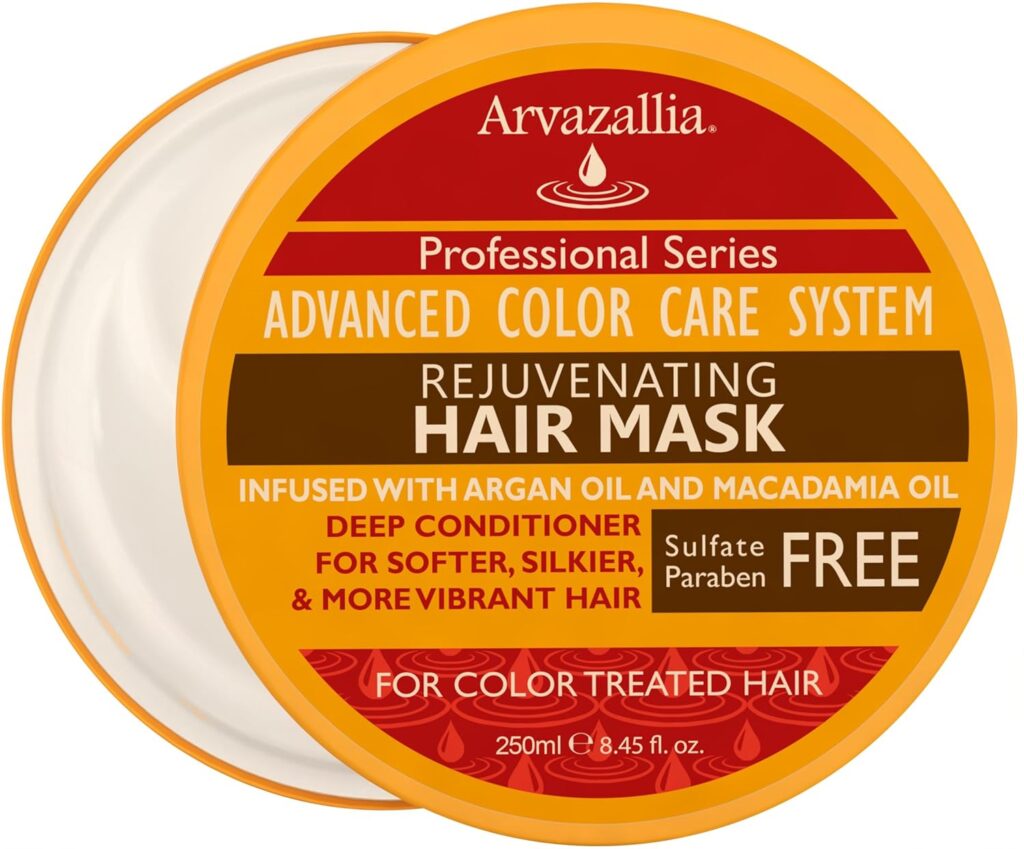
Arvazallia Rejuvenating Hair Mask and Deep Conditioner For Color Treated Hair with Argan Oil and Macadamia Oil Sulfate Free & Paraben Free
Professional Salon Deep Conditioning Treatment for Color Treated Hair That Instantly Transforms The Texture of Your Hair Leaving it Soft, Silky, and Easier to Manage
Wash Day Tips Specific to Color-Treated Hair
A few extra things worth mentioning that can make or break your wash day results:
Rinse with cool or cold water. Hot water opens the cuticle and lets color (and moisture) escape. Cool water seals the cuticle and helps your color stay vibrant longer.
Be gentle with detangling. Color-treated hair is more fragile. Always detangle in sections, starting from the ends and working up. Use a wide-tooth comb or your fingers, never a fine-tooth comb on wet color-treated strands.
Don’t wash too frequently. For color-treated 4C hair, washing every 1–2 weeks is usually enough. Overwashing speeds up color fade and disrupts your moisture balance.
Use a microfiber towel or old t-shirt to dry. Regular terrycloth towels are rough on the cuticle and cause frizz and breakage, especially on color-treated hair that’s already more vulnerable.
Protect your hair at night. A satin or silk bonnet or pillowcase is your color’s best friend. It prevents friction, moisture loss, and color fading from rubbing against cotton.
Frequently Asked Questions
Q: Do I need to use ALL of these products every single wash day?
A: Not necessarily! The protein treatment, for example, only comes in every 4–6 weeks. Clarifying is bi-weekly or monthly. The non-negotiables for every wash day are your sulfate-free shampoo, moisturizing deep conditioner, leave-in, sealing oil, and styling product. Build up your routine gradually and pay attention to what your hair responds to best.
Q: Can I mix my protein treatment and deep conditioner together?
A: It’s generally better not to. They work best when applied separately in sequence; protein first, moisture second. Mixing them dilutes the effectiveness of both and makes it harder to know what your hair is actually getting. Keep them as distinct steps for the best results.
Q: How do I know if a product is truly color-safe?
A: Check the ingredient list for sulfates (sodium lauryl sulfate, sodium laureth sulfate) and harsh alcohols (isopropyl alcohol, alcohol denat.) these are the main culprits for color fading. Products labeled “color-safe,” “color-protecting,” or “sulfate-free” are generally a safe bet, but always read the label yourself to be sure.
Q: My color-treated hair still feels dry after following all these steps. What am I doing wrong?
A: A few possible culprits: you might have high porosity hair that needs even more moisture, you might not be leaving your deep conditioner on long enough, or you might have product buildup that’s blocking moisture from penetrating. Try clarifying first, then rebuilding your routine. Also make sure you’re applying products to soaking wet hair, dampening with a spray bottle isn’t enough for most 4C textures.
Q: Is it okay to use regular (non-color-treated) hair products on colored hair?
A: Some regular products are totally fine, check the ingredients rather than relying on the label. The main things to avoid are sulfates, harsh alcohols, and heavy silicones that can cause buildup and dullness. If a product doesn’t contain those things, it can generally work on color-treated hair even if it’s not specifically marketed for color.
Building a wash day routine for color-treated hair doesn’t have to be complicated or expensive, but it does need to be intentional. Every product you use from pre-poo to styling has a job to do, and when your lineup works together, the results are genuinely transformative.
Your color deserves to look as vibrant and fresh on week three as it did on day one. Your strands deserve to feel strong, soft, and healthy even after a chemical service. And YOU deserve a wash day routine that actually restores your hair instead of just getting it clean.
Disclaimer: Hair care is deeply personal and results vary based on your specific hair type, porosity, and color history. When in doubt, consult with a licensed cosmetologist who specializes in textured or color-treated hair.