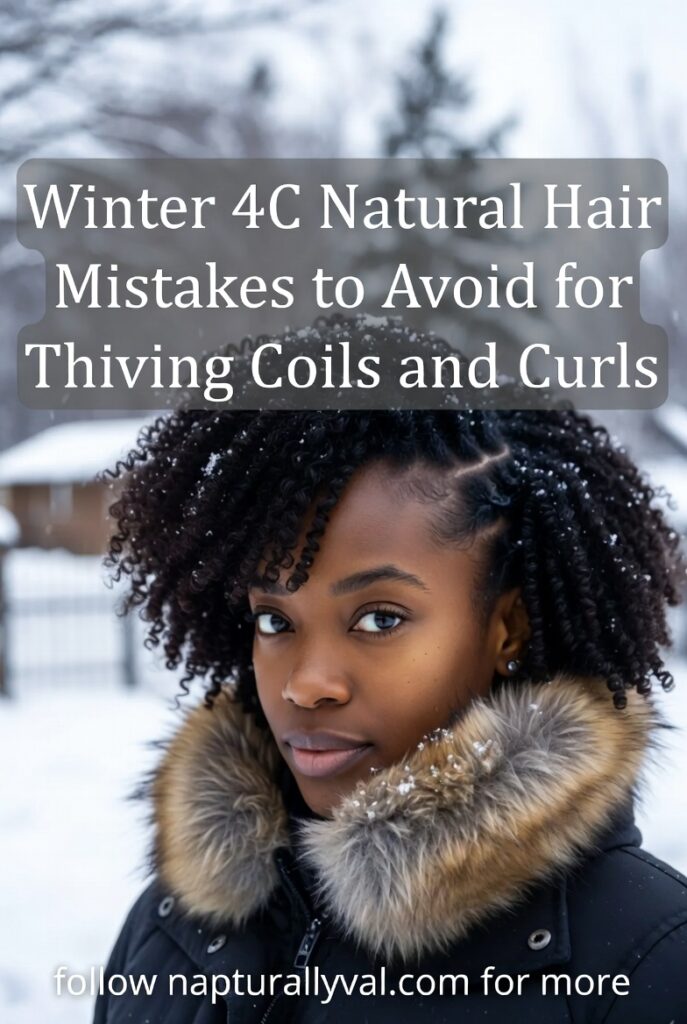
Winter has a way of making even the most dedicated natural hair girl feel like her routine has suddenly stopped working. One minute your curls feel moisturized, defined, and thriving, and the next, the cold air hits and everything changes. Your ends start to feel brittle, your twist outs stop cooperating, your moisture seems to evaporate the moment you step outside, and you find yourself wondering why your usual routine is suddenly failing. If this sounds familiar, you are not alone.
Winter can be harsh, especially for 4C hair, but the good news is that it does not have to be a season of dryness, breakage, and frustration. With the right knowledge and a few strategic tweaks, your coils can thrive all winter long.
The truth is that winter does not damage 4C hair on its own. It is the combination of cold air outside, dry indoor heat, low humidity, heavier fabrics, and poor protective habits that slowly wear away at your strands. Most of the winter hair issues we face come from avoidable mistakes. Once you understand what those mistakes are, you can transform your winter hair routine and watch your coils remain soft, defined, moisturized, and healthy all season.
Below are the most common winter 4C natural hair mistakes to avoid, why they matter, and what to do instead so your curls and coils can stay nourished, protected, and flourishing no matter how cold it gets.
Table of Contents
Most common winter 4C natural hair mistakes to avoid, why they matter, and what to do
1. Skipping Deep Conditioning During Winter
One of the biggest winter hair mistakes for 4C hair is treating deep conditioning like an optional step. In warm months, your hair may survive on lighter conditioning, but winter depletes moisture faster than you may realize. Cold air pulls moisture from the hair shaft, and indoor heating creates a dry environment that leaves your coils feeling stripped and brittle.
Deep conditioning becomes essential in winter because it restores moisture, strengthens your strands, and keeps your hair flexible. Flexibility is important, especially for 4C hair, because when hair becomes rigid, it breaks more easily. A weekly deep conditioning session can dramatically change the softness and manageability of your hair during the chillier months.
Recommendation:
SheaMoisture Raw Shea Butter Deep Treatment Masque
This mask deeply moisturizes 4C hair and helps restore softness and elasticity. It is rich, thick, and perfect for combating winter dryness.
2. Neglecting to Seal in Moisture
Winter requires a moisture strategy that is more intentional. Many people apply leave-in conditioner and stop there, but 4C hair needs both hydration and a sealant during winter. Hydration is the water-based moisture your hair craves, but sealants are what keep that moisture inside the strand long enough for your hair to benefit from it.
Skipping an oil or butter during the colder months allows moisture to escape quickly, leaving hair dry and vulnerable. Using the LOC or LCO method can help you layer moisturizing and sealing products in a way that your hair can retain.
Recommendation:
TGIN Butter Cream Daily Moisturizer and| Jamaican Black Castor Oil
The butter cream is hydrating and rich, while castor oil helps lock moisture in without causing buildup.
3. Wearing Cotton or Wool Without Protecting Your Hair
Winter clothing can be unintentionally damaging to 4C hair. Scarves, hoodies, sweaters, and coats often have cotton or wool material that absorbs moisture and causes friction against your strands. This friction leads to breakage, thinning along the nape area, and split ends.
One of the simplest winter hair upgrades you can make is ensuring that your hair never comes into direct contact with these fabrics. Lining your scarves with satin, wearing satin-lined beanies, or simply tucking your ends away can save your hair from unnecessary damage.
Recommendation:
Satin-Lined Beanie
This keeps your hair protected while still looking stylish and warm.
4. Over-Manipulating Your Hair During the Cold Season
While summer allows more freedom with wash-and-gos and frequent styling, winter requires a gentler approach. Over-manipulating 4C hair in winter causes breakage because the strands are already under stress from dryness. Every twist, tug, and touch removes moisture and weakens the hair shaft.
This is why protective styles become especially important in winter. They give your hair a chance to rest and stay moisturized without constant manipulation. Styles like braids, twists, wigs, bun styles, and flat twists help reduce friction and moisture loss.
If you prefer wearing your hair out, consider stretching your hair using heat-free methods to reduce tangles and knots while keeping the style low manipulation.
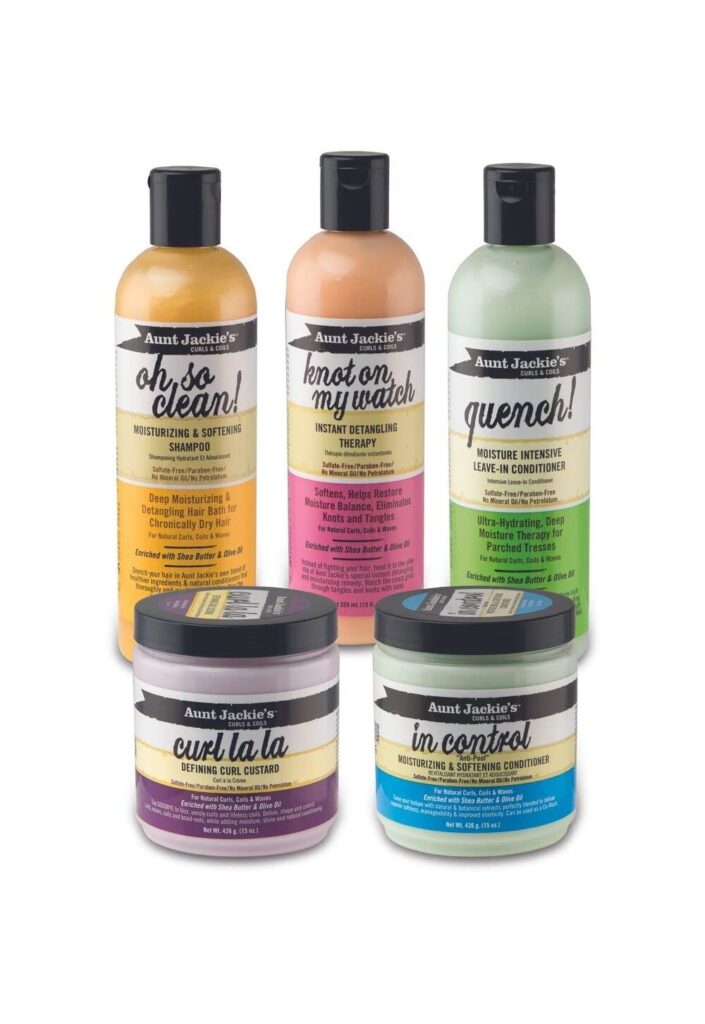
5. Using Drying or Harsh Shampoos
Cleansing is important, but using the wrong shampoo in winter can strip your hair of essential oils that protect your strands. Many shampoos contain sulfates or harsh detergents that remove too much moisture from 4C hair.
Winter requires gentle cleansing with moisturizing shampoos that clean without leaving the hair feeling squeaky and dry. Clarifying is still necessary, but it should be done sparingly. Over-washing in winter can lead to brittle hair, so aim to cleanse every one to two weeks depending on your routine and scalp needs.
Recommendation:
Design Essentials Honey Creme Moisture Retention Super Detangling Conditioning Shampoo, Sulfate Free for Moisturizing and Strengthening Hair
This shampoo cleans without stripping and leaves the hair feeling soft and manageable.
6. Ignoring Your Scalp Health During Winter
Winter dryness affects the scalp just as much as the hair. A neglected scalp can lead to flaking, itching, tightness, and irritation. A dry scalp disrupts the environment your hair needs to grow healthy and strong.
In winter, incorporating a weekly scalp oil or serum can help maintain moisture, reduce irritation, and keep your hair follicles nourished. Massaging your scalp regularly also boosts circulation, which supports healthy hair growth during the colder months.
Recommendation:
Carol’s Daughter Goddess Strength 7 Oil Blend Scalp and Hair Oil or VITAL AFFAIR Tea Tree Oil For Hair With Jojoba, Castor, Batana Oil
These oils soothe a dry scalp and help maintain balance throughout winter.

7. Wearing Too Many Heavy Products and Causing Buildup
While winter calls for richer products, overusing heavy creams, butters, and oils can cause buildup, making your hair feel weighed down and dry. Buildup blocks moisture from penetrating your strands and can create flakes, scalp issues, and dullness.
The key is balance. Use rich products but avoid layering too many heavy items at once. Pay attention to what your hair needs, and cleanse your scalp regularly to ensure that your products continue working effectively.
8. Leaving Your Ends Exposed
In winter, your ends need extra protection because they are the oldest and most fragile part of your hair. When exposed to cold air, fabrics, and dryness, they split faster and break more easily.
Keeping your ends tucked away in protective styles, buns, or updos prevents them from rubbing against clothing and losing moisture. Regular trims also help maintain healthy ends throughout the season.
9. Using Too Much Heat During the Cold Season
It is tempting to use blow dryers or diffusers to get through the cold months quickly, but excess heat weakens the hair’s protein structure. During winter, hair is more vulnerable, which means heat damage can happen easily if not used carefully.
If you must use heat, always apply a high-quality heat protectant and choose the lowest effective temperature. Allow your hair to air-dry partially before blow-drying to reduce exposure time.
Recommendation:
Arvazallia Heat Protectant Spray with Argan Oil
This protects hair from heat damage and adds a layer of moisture and shine.

Winter can be a challenging season for 4C hair, but it does not have to be a season of breakage, dryness, and frustration. By avoiding these common mistakes and choosing better habits, your coils and curls can thrive beautifully throughout the coldest months of the year. The key to winter hair success is being intentional. This means deep conditioning regularly, sealing in moisture, avoiding friction, caring for your scalp, protecting your ends, minimizing heat, and choosing gentle products that support your hair’s needs. When you prioritize moisture, protection, and gentle care, your 4C coils remain soft, hydrated, and strong all winter long.