Okay bestie, let’s have the conversation that so many naturals are lowkey scared to have out loud; coloring your natural hair. Because I KNOW you’ve been eyeing those gorgeous honey blondes, those rich auburns, those bold reds and that stunning silver on other naturals and thinking “but can my hair handle that?”
And the answer? Yes. With the right preparation, the right process, and the right aftercare, absolutely yes.
But here’s the thing. There is SO much bad information floating around about coloring natural hair. Half of it is overly cautious to the point of being unhelpful, and the other half is dangerously casual about a process that genuinely requires care and knowledge. Neither extreme serves you.
So today we’re doing this properly. We’re talking about everything; what coloring actually does to your hair, how to prepare your strands before you even open a box of dye, how to actually color your hair (whether at home or in a salon), and how to maintain and care for your colored hair every single day afterward.
This is the guide I wish I’d had before my first color experience. Let’s get into it. Catch up on all previous posts on colored hair.
Table of Contents
First Things First: What Does Color Actually Do to Your Hair?
Before we talk about preparation and process, you need to understand what’s actually happening to your strand when color is applied. This isn’t just science for the sake of it, understanding this will help you make smarter decisions about your color journey at every stage.
The Structure of Your Hair Strand
Your hair strand has three layers. The outermost layer is the cuticle, a protective layer made up of overlapping scales, like roof tiles. Underneath that is the cortex, the thickest layer, which contains the melanin (pigment) that gives your hair its natural color, as well as most of your hair’s keratin protein and structural strength. At the very center is the medulla, a soft inner core that isn’t present in every strand and doesn’t play a huge role in color processing.
What Happens During Coloring
When you apply color, whether permanent, semi-permanent, or bleach here’s what happens step by step:
The developer (hydrogen peroxide) in the color formula opens the cuticle. Once the cuticle is open, the color molecules can penetrate into the cortex. In the cortex, the color either deposits new pigment (in the case of darkening or direct dyes), lifts out your natural melanin (in the case of bleach or lightening), or both (in the case of permanent color on darker hair). The cuticle then struggles to close back to its original flat position, especially with stronger formulas.
This process, repeated over time, is why colored hair behaves differently from virgin hair. The cuticle is compromised, the protein structure is partially broken down, and the hair becomes more porous and more vulnerable to moisture loss and breakage.
Understanding this helps you understand why all the preparation and aftercare steps we’re about to discuss exist. They’re not just suggestions, they’re responses to what color chemically does to your strand.
Types of Hair Color: What Are Your Options?
Not all color is created equal, and the type of color you choose has a huge impact on how much your hair is affected. Let’s break down your options from least to most damaging.
Temporary Color
Temporary color sits on the outside of the hair shaft, it doesn’t penetrate the cuticle at all. Think color sprays, color mousses, and some color-depositing conditioners. It washes out completely in one or two shampoos.
Pros: Zero damage, great for trying out a color before committing, fun for events. Cons: Doesn’t last, can transfer onto clothes and pillowcases, limited color range. Best for: Experimenting, protective styles, special occasions.
Semi-Permanent Color
Semi-permanent color has no developer (or a very low volume developer), it deposits color onto and slightly into the cuticle without lifting your natural pigment. It gradually fades over 4–8 weeks depending on the formula and how often you wash.
Pros: Very low damage, no harsh chemicals, great for refreshing natural color or going darker, adds shine and richness. Cons: Can’t lighten natural hair (only deposit color), fades relatively quickly, may not show up on very dark natural hair. Best for: Adding richness to dark hair, going slightly deeper or adding a tone, experimenting with color with minimal commitment and minimal damage.
Demi-Permanent Color
Demi-permanent uses a low-volume developer (usually 10 volume) that slightly opens the cuticle to allow color to penetrate a little deeper than semi-permanent. It lasts longer, typically 4–12 weeks and fades gradually rather than growing out with a line.
Pros: Low damage, long-lasting shine, great for blending grays, can slightly darken or tone hair. Cons: Still can’t significantly lighten hair, requires some developer. Best for: Gray blending, refreshing color, toning, adding depth and richness.
Permanent Color
Permanent color uses a developer (typically 20–40 volume hydrogen peroxide) to open the cuticle, remove some of your natural pigment, and deposit new color into the cortex. It doesn’t wash out, it grows out.
Pros: Long-lasting, wide color range, can go lighter or darker, covers gray completely. Cons: More damaging than temporary or semi-permanent options, requires root touch-ups as hair grows, can significantly alter hair texture and moisture retention. Best for: Significant color changes, full gray coverage, commitment to a specific color.
Bleach (Hair Lightener)
Bleach is the most powerful and most damaging color option. It works by chemically breaking down your hair’s natural melanin through oxidation. The higher the developer volume (20, 30, or 40), the more aggressive the lift.
Pros: Can achieve the lightest colors (blonde, platinum, pastels), necessary for vibrant fashion colors on darker hair. Cons: Most damaging option, severely raises porosity, weakens the protein structure significantly, requires extensive aftercare, can cause breakage if done incorrectly. Best for: Achieving light shades, vibrant colors on dark natural hair, highlights and balayage.
Henna and Natural Dyes
Henna is a plant-based dye that coats the outside of the hair shaft with natural pigment. It’s been used for thousands of years and is beloved in many cultures.
Pros: No harsh chemicals, strengthens the hair strand, conditions while coloring, very long-lasting. Cons: Limited color range (mostly red-orange tones), can make chemical coloring later more complicated (henna can react unpredictably with chemical dye), extremely difficult to remove. Best for: Adding richness and red tones, strengthening fragile strands, those who prefer a natural approach to color.
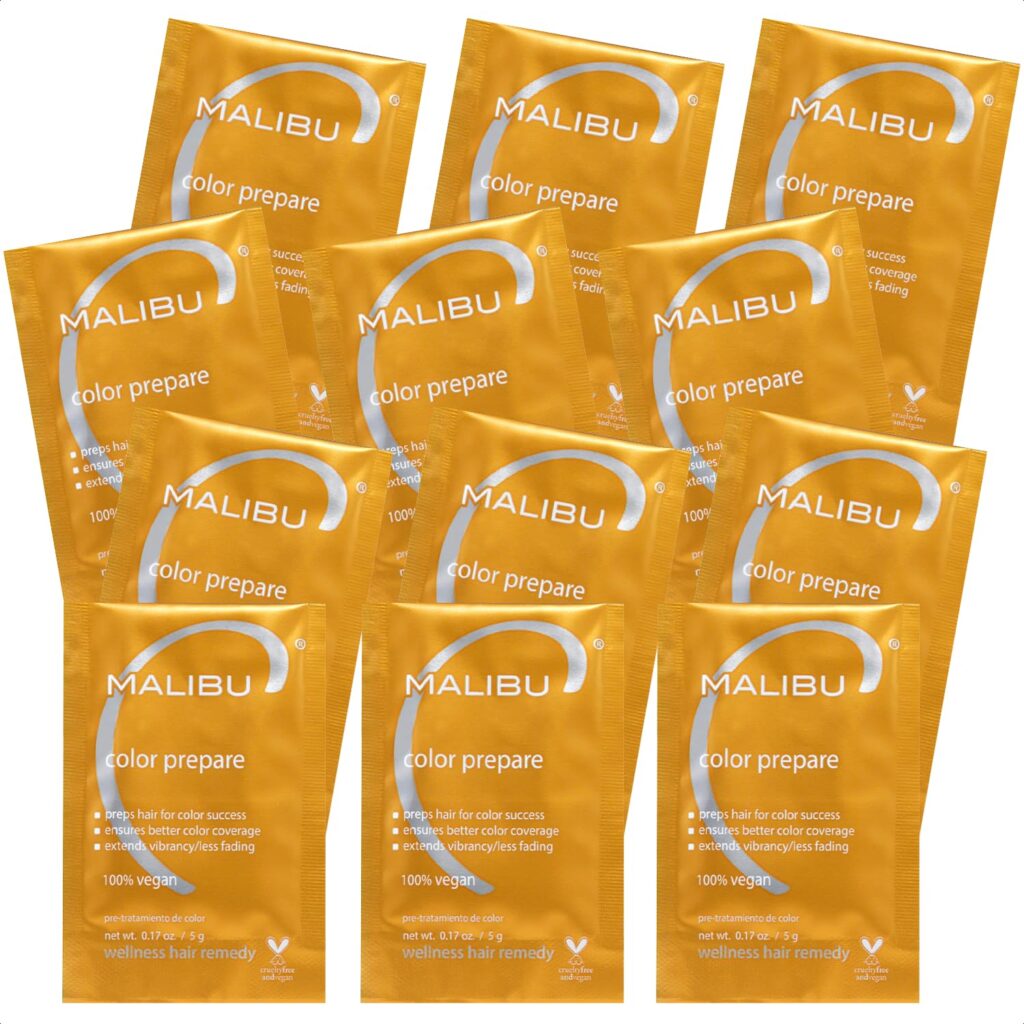
Malibu C Color Prepare Wellness Hair Remedy – Extends Hair Color Vibrancy & Counteracts Discoloration, Dullness & Brassiness .
Award-winning vegan hair color treatment to prep a clean hair canvas for a full color absorption, coverage, and retention while gently drawing out mineral buildup & other color-blockers to guarantee brilliant post-service results
How to Assess Whether Your Hair Is Ready for Color
This is the conversation nobody wants to have but everybody needs to. Just because you want to color your hair doesn’t mean your hair is in a place where it can handle it. Coloring damaged hair leads to more damage, breakage, and in severe cases, hair loss. Here’s how to honestly assess where your hair stands.
The Stretch Test
Take a single wet strand and gently pull it. Healthy hair should stretch about 30% of its length and then snap back. If it snaps immediately with no stretch, your hair is brittle and protein-deficient. If it stretches way too much and doesn’t snap back, your hair is over-moisturized and structurally weak. Either of these results means your hair needs attention before coloring.
The Float Test
Drop a clean, product-free strand into a glass of water. If it sinks immediately, your hair is high porosity, already compromised and losing moisture fast. High porosity hair can be colored, but it needs extra preparation and a gentler formula.
Visual Assessment
Look at your ends. Are they frayed, split, or thin? Do your strands look uneven in width along the shaft? Do you see excessive shedding or mid-strand breaks? These are signs that your hair needs strengthening before you introduce any chemical process.
The Honest Timeline Check
When was your last chemical service? If you’ve had a relaxer, texturizer, or color treatment recently (within the last 4–6 weeks), your hair needs more time to recover before another chemical service. Overlapping chemical processes on the same sections of hair is a fast track to serious damage.
The General Rule
If your hair is already in great condition; moisturized, minimal breakage, good elasticity, it’s ready for color. If it’s not in great condition, spend 4–8 weeks getting it healthy first. Trust me, the color will look so much better on healthy hair anyway.
How to Prepare Your Hair for Color: The Pre-Color Routine
Okay so your hair has passed the assessment and you’re ready to color. Now comes the preparation phase, and this is where so many people drop the ball. Proper preparation is the difference between color that elevates your hair and color that destroys it.
4–6 Weeks Before Coloring: The Strengthening Phase
Start building your hair’s strength and moisture reserves well before your color appointment or home color session. This means:
Incorporate weekly protein treatments. Your hair needs a strong protein foundation before coloring. A medium-strength protein treatment every two weeks in the month leading up to coloring helps fortify your strands so they can better withstand the chemical process.
Deep condition religiously. Weekly moisturizing deep conditioning sessions are non-negotiable during this phase. You want your hair to be as moisturized and healthy as possible going into the color process.
Trim your ends. If your ends are split or damaged, trim them before coloring. Coloring over split ends makes them worse, not better. Start your color journey with clean, fresh ends.
Avoid heat styling. Give your hair a break from heat in the weeks leading up to coloring. Heat damage and chemical damage together is a combination your strands don’t need.
Stop using heavy silicone products. Heavy silicones can create a coating on the hair that interferes with color processing. Switch to silicone-free products in the few weeks before coloring.
1–2 Weeks Before Coloring: The Final Prep
Do a final deep protein treatment about a week before your color service. This gives your hair maximum structural strength going in. Don’t do it within 48 hours of coloring though, you want the hair to have softened slightly from the protein before applying color.
Assess your scalp health. Color should never be applied to an irritated, scratched, or compromised scalp. If you have any scalp issues; dandruff flares, scratches, active dermatitis, resolve these before your appointment.
Do NOT wash your hair 24–48 hours before coloring. This is important, especially for scalp applications. Your scalp’s natural oils create a protective barrier that helps shield the scalp from irritation during the color process. Freshly washed hair before coloring can lead to more scalp sensitivity.
Stop doing anything new to your hair. No new products, no new treatments, no heat experiments. Let your hair exist in its current prepared state for the last week before coloring.
The Day Before Coloring
Apply a light coat of a protective oil to your hairline, ears, and neck to prevent staining from the dye. Do a strand test with your chosen color formula if you’re coloring at home, this is non-negotiable and we’ll talk about it more in the next section. Make sure you have all your supplies ready. Get a good night’s sleep and protect your hair with your satin bonnet.
How to Do a Strand Test (And Why You Should Never Skip It)
A strand test is one of the most important steps in the coloring process and one of the most commonly skipped, especially by people doing at-home color. Here’s why it matters and how to do it properly.
Why Strand Tests Matter
A strand test tells you exactly how your hair will respond to the color before you apply it to your entire head. It shows you the actual color result on YOUR hair (not the model on the box), how your hair handles the chemical process, whether there’s any unexpected reaction, and how long you actually need to process for your desired result.
This is especially crucial for natural hair because our hair tends to process differently from the hair shown in advertising images, which are almost always taken on European hair textures.
How to Do a Proper Strand Test
Cut or separate a small section of hair from an inconspicuous area, usually from underneath at the nape of your neck. Apply the color mixture to just this section following the exact instructions you plan to use. Process for the recommended time, then rinse, dry, and assess the result. Check the color, is it the shade you wanted? Check the texture, does the hair feel okay or is it mushy, gummy, or excessively dry? Check the strength, does the strand seem intact or is it weakened?
If the result is good, proceed with confidence. If not, adjust your formula, processing time, or consider consulting a professional before going any further.
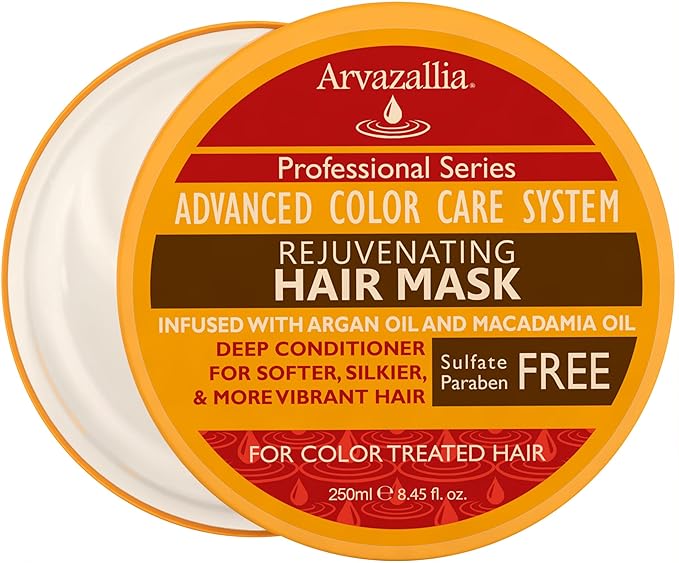
Arvazallia Rejuvenating Hair Mask and Deep Conditioner For Color Treated Hair .
Hydrates, Moisturizes, and Rejuvenates Color Treated Hair leaving it Healthier Looking while also giving it Added Volume, Increased Color Vibrancy, and Improved Elasticity and Manageability
Coloring Your Natural Hair: At Home vs. In the Salon
One of the biggest decisions in your color journey is whether to color your hair at home or go to a professional. Here’s an honest breakdown of both.
When to See a Professional Colorist
Go to a salon (specifically, find a colorist who has experience with natural textured hair) for:
Significant lightening or bleaching. Bleaching natural hair, especially 4C is one of the most high-risk color processes there is. The margin for error is small and the consequences of getting it wrong (breakage, scalp burns, severe damage) are significant. A skilled professional colorist dramatically reduces that risk.
Complex techniques. Balayage, highlights, ombre, color corrections, these require technical skill and experience that most at-home colorers don’t have. Uneven application of these techniques leads to patchy, uneven color that’s very difficult to fix.
First time coloring. If you’ve never colored your natural hair before, starting with a professional consultation is wise. You’ll learn how your hair actually responds and can make more informed decisions going forward.
Color corrections. If something went wrong with a previous color (unwanted brassiness, uneven color, damage), please don’t try to fix it yourself. Go to a professional colorist.
When At-Home Color Is Okay
At-home color can work well for going darker or adding depth and richness (low-risk), refreshing an existing color that a professional has already established, semi-permanent or demi-permanent color that doesn’t involve significant lifting, and experienced naturals who understand their hair and have colored at home successfully before.
How to Choose a Colorist for Natural Hair
This part matters enormously. Not all colorists are experienced with natural textured hair and a colorist without that experience can cause serious damage even with the best intentions. When looking for a colorist, ask specifically about their experience with Type 4 natural hair. Look at their portfolio for examples of natural hair color work. Read reviews from clients with similar hair textures. Don’t be afraid to ask questions during a consultation before committing to any service.
Step-by-Step: How to Color Your Natural Hair at Home
If you’ve assessed your hair, done your prep, done your strand test, and you’re going with an at-home color, here is the process to follow for the best results and minimum damage.
What You’ll Need
A sulfate-free color-safe shampoo, deep conditioner, color-protecting leave-in, your chosen color formula, a mixing bowl and brush (for permanent/semi-permanent), gloves, an old t-shirt or salon cape, petroleum jelly or a thick oil for your hairline, clips or butterfly clips for sectioning, a timer, and a plastic cap.
Step 1: Section Your Hair
Divide your dry, unwashed hair (remember, don’t wash 24–48 hours before) into four sections using clips. Working in sections ensures even, thorough color application and prevents the color from processing unevenly. For thicker or denser hair, create more sections.
Step 2: Protect Your Hairline and Skin
Apply a generous layer of petroleum jelly, coconut oil, or a thick edge control cream along your hairline, ears, and the back of your neck. Color stains skin and this step makes cleanup so much easier. Put on your gloves.
Step 3: Mix Your Color
Follow the instructions on your color kit exactly. The ratio of color to developer matters, getting this wrong affects both the result and the level of damage. Mix thoroughly until you have a consistent, smooth formula.
Step 4: Apply the Color
Starting at the section where your hair is most resistant (usually the back and sides), apply the color with your brush working from roots to ends. Work methodically through each section. Don’t rush this step, thorough, even application is what gives you an even color result. For roots, apply first since they process faster due to body heat. For already-colored ends, apply last since they process faster.
Step 5: Saturate and Cover
Once all sections are coated, smooth the color through your hair gently, cover with a plastic cap, and set your timer. Follow the timing on your kit exactly, more time does not equal more color. It equals more damage.
Step 6: Rinse Thoroughly
Rinse the color with cool or lukewarm water, not hot. Hot water opens the cuticle and causes color to bleed out immediately. Rinse until the water runs completely clear. Do not shampoo immediately after rinsing unless the kit specifically instructs you to.
Step 7: Apply the Conditioner That Comes With the Kit
Most color kits include a conditioning treatment. Use it. This helps close the cuticle after the color process and begins the moisture restoration process immediately.
Step 8: Follow With Your Own Deep Conditioner
After the kit conditioner, apply your own moisturizing deep conditioner and let it sit for at least 20–30 minutes under a plastic cap with heat. Your hair just went through a chemical process, it needs immediate intensive moisture restoration.
Step 9: Proceed With Your Regular Post-Wash Routine
Leave-in conditioner, sealing oil, styling product. Keep it gentle and keep it moisture-focused.
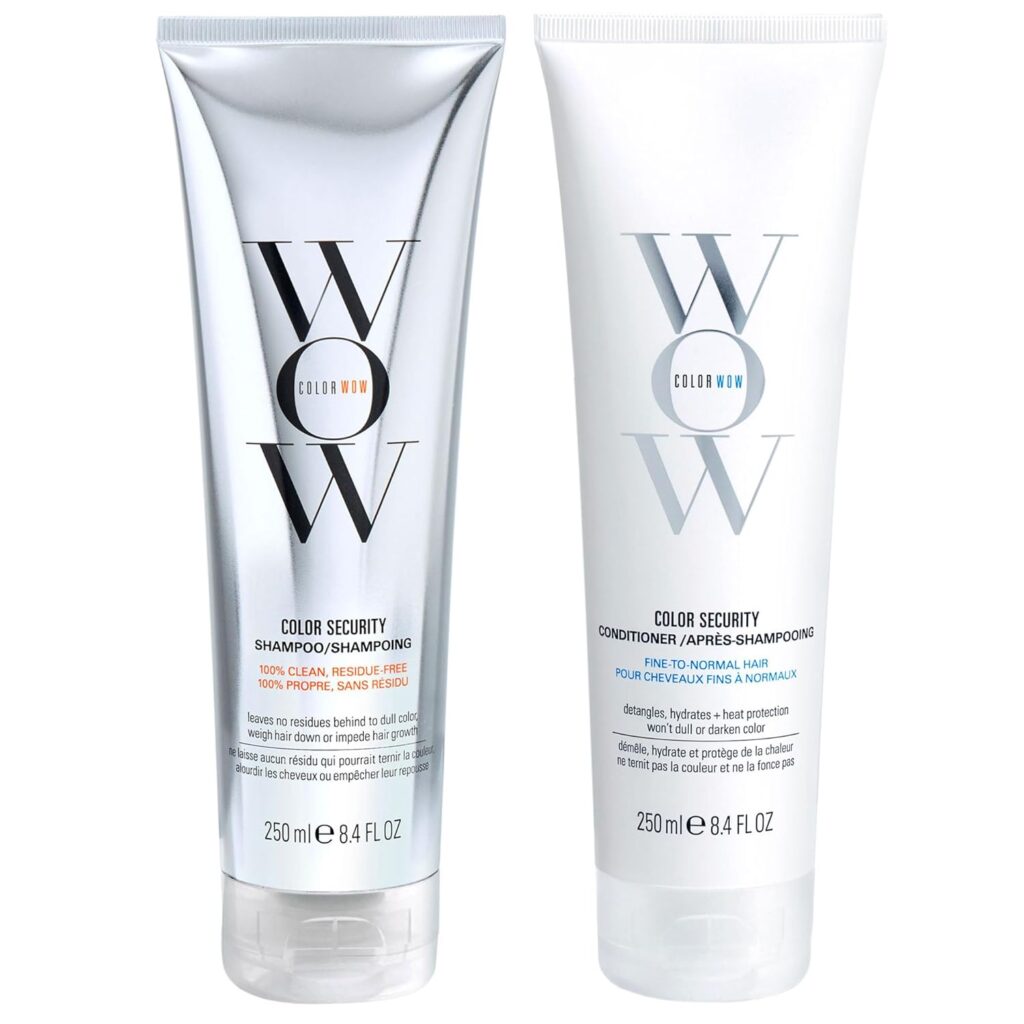
COLOR WOW Dream Clean Duo – 100% clean, sulfate-free COLOR SECURITY SHAMPOO and weightless COLOR SECURITY CONDITIONER
Promotes healthier hair by not leaving any residues on scalp that can block follicles, impede new hair growth and prevent hair thinning.
Daily Post-Color Hair Care: The Complete Routine
This is where the long-term health of your colored hair is won or lost. The color service is just one day, the care you give your hair every single day after is what determines whether your colored natural hair thrives or struggles.
Daily Morning Routine for Colored Natural Hair
Every morning, your colored natural hair needs a moisture check-in. Color-treated hair loses moisture faster than virgin hair because the cuticle is more compromised, so you cannot afford to skip this.
Start your morning by gently checking your hair. Is it soft and pliable? Seal your ends with a small amount of oil and go about your day. Is it dry and stiff? Time for a light refresh.
Always moisturize your colored hair daily using a water-based leave-in conditioner like Carol’s Daughter Leave-In Conditioner — a creamy, lightweight leave-in enriched with vanilla extract and shea butter that melts into color-treated natural hair without weighing it down, instantly softens dry coils, helps preserve your color vibrancy, and keeps your strands hydrated and manageable throughout the day without causing product buildup.
After your leave-in, always seal your ends with a nourishing oil to lock that moisture in. Your ends are the oldest, most color-processed part of your hair and need consistent sealing to prevent splitting and breakage.
Seal your color-treated ends every morning using Jamaican Mango & Lime Black Castor Oil — a rich, thick sealing oil that creates a powerful moisture-locking barrier over color-treated strands, protects your ends from environmental damage and dryness, and with daily use helps significantly reduce the end breakage that so commonly sabotages length retention in colored natural hair.
Nighttime Protection for Colored Natural Hair
What happens to your hair while you sleep matters enormously, especially post-color. Color-treated hair is more fragile and more prone to friction damage.
Never sleep on cotton with colored natural hair. Cotton absorbs moisture from your strands and creates friction that leads to frizz, tangles, and breakage overnight. Protect your color-treated coils every night using a Slip Silk Pillowcase or a YANIBEST Satin Bonnet — both create a smooth, frictionless surface that your colored strands can rest on without losing moisture, developing friction damage, or waking up with a tangled, matted mess that leads to unnecessary breakage during morning detangling.
Before putting on your bonnet: Apply a small amount of oil to your ends. Loosely pineapple or twist your hair to preserve any style and reduce overnight compression. Never sleep with tight styles that pull at your edges or scalp.
Weekly Wash Day for Colored Natural Hair
Wash day for colored natural hair follows the same general structure as regular natural hair wash day, but with a few important additions and modifications specifically for color protection and strength maintenance.
Step 1: Pre-Poo to Protect Before Washing
Pre-pooing is even more important for colored hair than for virgin hair. It creates a protective layer before your shampoo touches your strands, minimizing moisture loss and reducing the risk of tangling during washing.
Protect your color-treated strands before every wash using Vatika Naturals Enriched Coconut Hair Oil — a penetrating pre-poo oil blended with coconut oil, henna, and amla that softens and strengthens color-treated natural hair before shampooing, significantly reduces washing-related breakage, and helps maintain the moisture balance that color-treated hair constantly needs to stay healthy.
Step 2: Clarify Monthly, Gentle Shampoo Weekly
For your regular weekly wash, use a gentle sulfate-free color-safe shampoo. Sulfates are the enemy of color-treated hair; they strip color, strip moisture, and are far too harsh for already-compromised cuticles.
Cleanse your color-treated scalp and strands weekly using Pureology Hydrate Shampoo — a 100% sulfate-free, vegan formula specifically engineered for color-treated hair that cleanses effectively without stripping color or moisture, preserves your color vibrancy wash after wash, and leaves your natural hair feeling clean, soft, and ready to absorb all the moisture you’re about to give it.
Once a month, swap your regular shampoo for a gentle clarifying formula to remove product buildup that accumulates and blocks moisture penetration.
Reset your colored natural hair monthly using Kinky-Curly Come Clean Natural Moisturizing Shampoo — a gentle clarifying formula with sea kelp that effectively removes months of buildup from color-treated 4C hair without stripping your color investment or leaving your coils feeling stripped and raw, giving you the clean slate your hair needs to truly absorb moisture again.
Step 3: Protein Treatment Every 4–6 Weeks
Color processing breaks down your hair’s keratin structure, which means protein treatments are not optional for color-treated natural hair. They are a monthly non-negotiable.
Rebuild your color-treated strands every month using Aphogee Keratin 2 Minute Reconstructor — a quick but genuinely effective keratin protein treatment that reinforces the structural integrity of color-damaged natural hair in just two minutes, reduces mid-strand breakage, improves elasticity, and helps your strands hold onto moisture more effectively making it a must-have addition to every color-treated natural hair wash day.
Always follow your protein treatment immediately with a moisturizing deep conditioner. Protein without moisture is a recipe for brittle, snapping strands.
Step 4: Moisturizing Deep Condition; Longer, Richer, More Often
Your colored natural hair needs deep conditioning more intensively than virgin natural hair. The compromised cuticle means moisture escapes faster, which means you need to replenish it more deeply and more consistently.
Restore intense moisture to your color-treated coils weekly using Briogeo Don’t Despair, Repair! Deep Conditioning Mask — a powerhouse deep conditioner packed with biotin, B vitamins, rosehip oil, and algae extract that penetrates color-damaged natural hair to deliver serious restoration from the inside out, dramatically improves elasticity and softness, and leaves your color-treated coils genuinely transformed after just one use.
Apply generously to freshly washed soaking wet hair, cover with a plastic cap, use a hooded dryer or steamer for 20–30 minutes, and always rinse with cool water to seal the cuticle.
Step 5: Leave-In Conditioner
Apply a water-based leave-in immediately after rinsing your deep conditioner while your hair is still soaking wet. For colored natural hair, generosity here pays dividends all week.
Layer moisture into your color-treated natural hair using Mielle Organics Pomegranate & Honey Leave-In Conditioner — a rich, humectant-packed leave-in infused with pomegranate and honey that draws moisture into color-treated strands, improves softness and manageability, reduces detangling time significantly, and provides a deeply nourishing moisture foundation that supports healthier, stronger color-treated natural hair over time.
Step 6: Detangle Gently and Thoroughly
Always detangle on wet, product-saturated hair. Work in sections. Start from the ends. Use a wide-tooth comb or your fingers. Never rush. Color-treated natural hair is more fragile than virgin hair, it snaps more easily under tension, especially when it’s dry.
Make detangling painless and breakage-free using the Tangle Teezer The Wet Detangler — a brush specifically engineered for detangling wet textured hair that flexes on contact with knots to release tangles without snapping color-treated strands, dramatically reducing wash day breakage and making detangling one of the easiest parts of caring for your colored natural hair.
Step 7: Seal With Oil and Style
After your leave-in, seal with your chosen oil and proceed to style in a low-manipulation style. Keep styling gentle, colored hair doesn’t need extra stress from tight styles or rough handling.
Monthly Color-Treated Hair Care Additions
Root Touch-Ups (If Using Permanent Color)
If you’re using permanent color, your roots will start showing your natural hair color as your hair grows. Most people need root touch-ups every 4–8 weeks depending on how quickly their hair grows and how different their natural color is from their dyed color.
Important rule: When doing root touch-ups, apply the color to the NEW growth only, not the entire length of your hair. Re-applying permanent color to already-processed lengths repeatedly causes cumulative damage that builds up over time and seriously compromises your hair’s health.
Toning (For Lightened or Blonde Hair)
If you have bleached or lightened hair, brassiness (unwanted yellow or orange tones) is a reality you’ll deal with regularly. Toning with a purple or blue shampoo or a direct toning treatment helps keep your color looking fresh and vibrant between color appointments.
Keep your lightened color-treated natural hair cool-toned and vibrant using Shimmer Lights Purple Shampoo — a pigmented purple shampoo that neutralizes brassy yellow and orange tones in bleached or lightened natural hair, keeps your blonde, silver, or highlighted color looking salon-fresh between appointments, and is gentle enough to use on color-treated textured hair without stripping moisture or causing excessive dryness.
Color-Refreshing Treatments
Semi-permanent colors and vibrant fashion colors fade faster than permanent color, especially on higher porosity hair. Color-depositing conditioners and masks can refresh your color between salon visits without any additional chemical processing.
Revive your color vibrancy between appointments using dpHUE Color Fresh Mask — a color-depositing conditioning mask available in multiple shades that refreshes fading color-treated natural hair while simultaneously deeply conditioning your strands, giving you the double benefit of revived color AND intensely moisturized coils in a single treatment.
Ingredients to Look For in Products for Colored Natural Hair
When shopping for products for your color-treated natural hair, knowing which ingredients to seek out (and which to avoid) makes the selection process so much easier.
Ingredients to Look For
Hydrolyzed proteins (keratin, wheat, silk, quinoa): Temporarily fill in gaps in the cuticle, strengthen the strand, and improve moisture retention in high porosity color-treated hair.
Humectants (glycerin, honey, aloe vera, panthenol): Draw moisture from the environment into your strands — essential for color-treated hair that loses moisture fast.
Penetrating oils (coconut oil, olive oil, avocado oil): Actually absorb into the hair shaft to nourish from within, not just coat the surface.
Sealing oils (castor oil, argan oil, jojoba oil): Sit on top of the hair shaft to seal the cuticle and lock in moisture.
Antioxidants (vitamin E, green tea extract): Help protect color from fading and oxidative damage.
UV filters: Protect your color from sun-induced fading — incredibly important if you spend time outdoors.
Shea butter, mango butter, cocoa butter: Rich moisturizing butters that soften color-treated strands and provide lasting hydration.
Ingredients to Avoid
Sulfates (sodium lauryl sulfate, sodium laureth sulfate): Strip color and moisture aggressively. Avoid in shampoos entirely.
Harsh alcohols (isopropyl alcohol, alcohol denat., SD alcohol): Dry out the hair shaft and accelerate color fading.
Heavy silicones (dimethicone, cyclomethicone as first few ingredients): Create heavy buildup on color-treated hair that blocks moisture from penetrating. If silicones are present, they should be near the end of the ingredient list.
Mineral oil: Creates a coating on the hair shaft that is difficult to remove and blocks moisture.
High pH products: High pH opens the cuticle — exactly what you don’t want for color-treated hair that already has a compromised cuticle. Look for products with a slightly acidic pH (4.5–5.5) when possible.
Protecting Your Color From Fading: Everyday Tips
Color fading is one of the biggest frustrations of color-treated hair maintenance. Here’s how to slow it down:
Wash with cool water always. Hot water opens the cuticle and lets your color molecules escape with every wash. Make cool or lukewarm water your non-negotiable standard.
Wash less frequently. Every time you shampoo, some color comes out. Stretching your wash day from once a week to every 10–14 days significantly extends the life of your color.
Protect from the sun. UV rays break down color molecules and cause fading and brassiness. Wear a hat, use a UV-protecting hair product, or apply a light oil with UV-filtering properties when you’re spending extended time outdoors.
Avoid chlorine and salt water. Swimming pools and the ocean are devastating to color-treated hair. If you swim, always wet and saturate your hair with fresh water and apply a protective oil before getting in; wet, oil-coated hair absorbs less chlorine or salt water. Wear a swim cap when possible, and rinse and condition your hair immediately after swimming.
Use a color-depositing conditioner regularly. These products deposit a small amount of color pigment with each use, refreshing your shade gradually and extending the time between color services.
Avoid heat styling as much as possible. Heat accelerates color fading. The less heat you use on your colored natural hair, the longer your color stays vibrant.
Common Colored Natural Hair Mistakes to Avoid
Learning from mistakes before you make them is always better than learning from them after. Here are the most common missteps on the colored natural hair journey:
Coloring already-damaged hair. Damaged hair plus a chemical process equals more damage. Always get your hair healthy first.
Skipping the strand test. We cannot stress this enough. The strand test exists to protect you, use it.
Overlapping color onto previously processed sections. When doing root touch-ups, apply new color to new growth only. Repeatedly coloring the same sections stacks damage on top of damage.
Skipping protein treatments post-color. Your hair’s protein structure is compromised after coloring. Protein treatments are not optional, they’re maintenance.
Using sulfate shampoos on colored hair. One sulfate wash can fade your color noticeably. Make the switch permanent.
Not deep conditioning enough. Once a week, 20–30 minutes minimum, with heat. Every single wash day. Non-negotiable.
Expecting instant length retention after color. Colored hair requires extra diligence about length retention. If you’re coloring, you need to be even more committed to moisture, protection, and gentle handling than you were with virgin hair.
Coloring at home when you should be in a salon. Know the limits of what you can do safely at home. When in doubt, pay a professional.
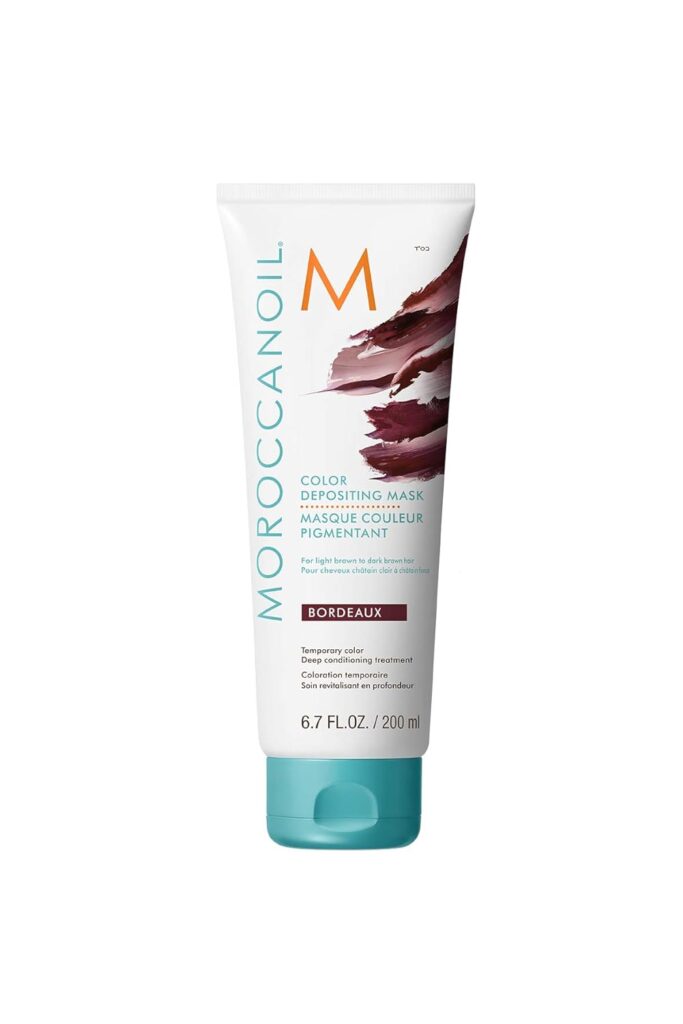
Moroccanoil Color Depositing Mask
A dual-benefit mask that deposits temporary color while providing the nourishment of a deep-conditioning treatment. Use to play with a new shade or refresh your existing tone.
The Mindset of a Colored Natural: Patience, Consistency, and Self-Knowledge
Here’s the truth that every colored natural eventually learns: coloring your natural hair is a commitment. Not just the day you sit in the chair or mix the formula, but every single day of maintenance after.
It requires you to know your hair deeply. To understand its porosity, its protein-moisture balance, its response to specific products. To pay attention when it’s telling you it needs more moisture or more protein or more time to rest. To be consistent with your routine even when life gets busy.
But here’s what’s also true: the results are worth it. Healthy, thriving, color-treated natural hair is one of the most stunning things in the world. When you see your colored coils moisturized, defined, vibrant, and strong, all the effort that goes into maintaining them feels completely worth it.
You just have to be willing to do the work. And now, thanks to this guide, you know exactly what that work looks like.
Your colored natural hair journey starts right here, bestie. Go get that color and take care of it like the crown it is.
Frequently Asked Questions About Coloring Natural Hair
Q: Can I color my natural hair at home safely, or should I always go to a salon?
A: It depends entirely on what you want to do. Going darker or adding richness with a semi-permanent or demi-permanent color at home? Totally doable with proper preparation and care. Bleaching, significantly lightening, doing highlights or balayage, or fixing a color that went wrong? Please, please go to a professional, specifically one experienced with natural textured hair. The risk of serious damage from bleaching natural hair at home without professional training is genuinely high, and the consequences can take years to grow out. Know your limits and invest in a professional when the process calls for it.
Q: How long should I wait between color services?
A: As a general rule, you should wait at least 4–6 weeks between color services and that’s on the minimum end. Waiting 8–12 weeks between services gives your hair significantly more time to recover, rebuild, and benefit from your maintenance routine before going through another chemical process. The longer you can wait between services (while maintaining your color with toning and color-depositing products), the healthier your hair will be long-term. Never overlap permanent color on the same sections of hair within 4 weeks.
Q: My hair broke off after coloring. What do I do?
A: First, take a breath, this is unfortunately common, especially with bleaching or coloring hair that wasn’t fully prepared. Stop all heat styling immediately. Start an intensive moisture and protein rebuilding routine, alternating protein treatments and moisturizing deep conditioners every week. Be extremely gentle with all handling and manipulation. Trim any sections that are severely damaged or have severe split ends. Give your hair at least 8–12 weeks of consistent, intensive care before considering any additional color. And please go to a professional for any future color services to prevent it from happening again. Your hair can recover with the right care and time.
Q: Will coloring my natural hair stop it from growing?
A: No, coloring does not stop hair growth. Hair grows from the follicle at the scalp, which isn’t affected by what happens to the length of your hair during coloring. What coloring can affect is length retention because color-treated hair is more fragile and prone to breakage, you can lose length at the ends at the same rate it’s growing in at the roots if your maintenance routine isn’t on point. With a consistent moisture routine, regular protein treatments, gentle handling, and protective styling, you can absolutely retain length and grow long color-treated natural hair.
Q: How do I prevent my color from fading so fast?
A: The biggest factors in color fading are hot water (switch to cool or cold), sulfate shampoos (switch to sulfate-free), washing too frequently (stretch your wash days), sun exposure (protect with hats or UV-filter products), and heat styling (minimize as much as possible). Additionally, using a color-depositing conditioner regularly refreshes your shade between services. The combination of all these habits together significantly extends the life of your color.
Q: Can I relax and color my hair at the same time?
A: This is one of the most important questions in natural hair care and the answer is a firm no, not at the same time and not within weeks of each other. Relaxers and color (especially permanent color with developer) are both chemical processes that compromise your hair’s protein structure and raise the cuticle.
Combining them or applying them close together creates what’s called a double process and on natural hair, especially 4C, this is a fast track to severe breakage, scalp burns, and potentially irreversible damage. If you want both, space them apart by at minimum 4–6 weeks, keep your hair in the best possible condition between services, and ideally work with a professional who can manage both processes carefully.
Q: What’s the safest color option for Type 4 natural hair?
A: The safest color options for Type 4 natural hair are, in order from safest to most risky: temporary color (zero damage), semi-permanent color (minimal damage, no developer), demi-permanent color (low damage, low developer), henna and natural dyes (no chemical damage, but limits future chemical coloring), permanent color (moderate damage, requires maintenance), and bleach/lightening (highest risk, requires the most preparation and aftercare). If you’re just starting your color journey on Type 4 natural hair, beginning with a semi-permanent or demi-permanent color is the most hair-friendly way to ease into coloring while seeing how your specific hair responds.
Q: How do I know if my hair has enough protein before I color?
A: Do the wet stretch test. Take a single wet strand and gently pull it. If it stretches about 30% and then snaps cleanly, your hair has good elasticity and a solid protein-moisture balance it’s ready. If it stretches way beyond 30% without snapping back (mushy, gummy feel), it’s protein-deficient and needs strengthening before coloring. If it snaps immediately with almost no stretch, it already has too much protein and needs moisture before going through any chemical process. Run this test on multiple strands from different parts of your head, the results can vary by section.
Q: How do I maintain moisture in my colored hair between wash days?
A: Between wash days, your colored natural hair needs daily moisture check-ins. Every morning, assess how your hair feels. If it’s dry, lightly mist with water and apply a small amount of your leave-in conditioner followed by a sealing oil on your ends. If it’s still feeling okay from your last wash day, just apply a tiny amount of oil to your ends and leave it alone. Protective styling between wash days (twists, braids, buns) helps retain moisture by reducing exposure to the elements and minimizing manipulation. Your satin bonnet at night is also a crucial part of moisture retention between wash days.
Q: Is it normal for the texture of my hair to change after coloring?
A: Yes, completely normal, especially after permanent color or bleaching. Color processing alters the structure of the cuticle and breaks down some of the hair’s natural keratin, which can make the hair feel softer, more pliable, or in some cases, slightly different in texture than your natural unprocessed hair. Some naturals find their coils loosen slightly after coloring, while others find their hair becomes more fragile and needs more moisture. Neither is inherently bad, it just means your routine needs to adapt to accommodate your hair’s new normal. Regular protein treatments, consistent deep conditioning, and gentle handling will help your color-treated hair find its new healthy equilibrium.