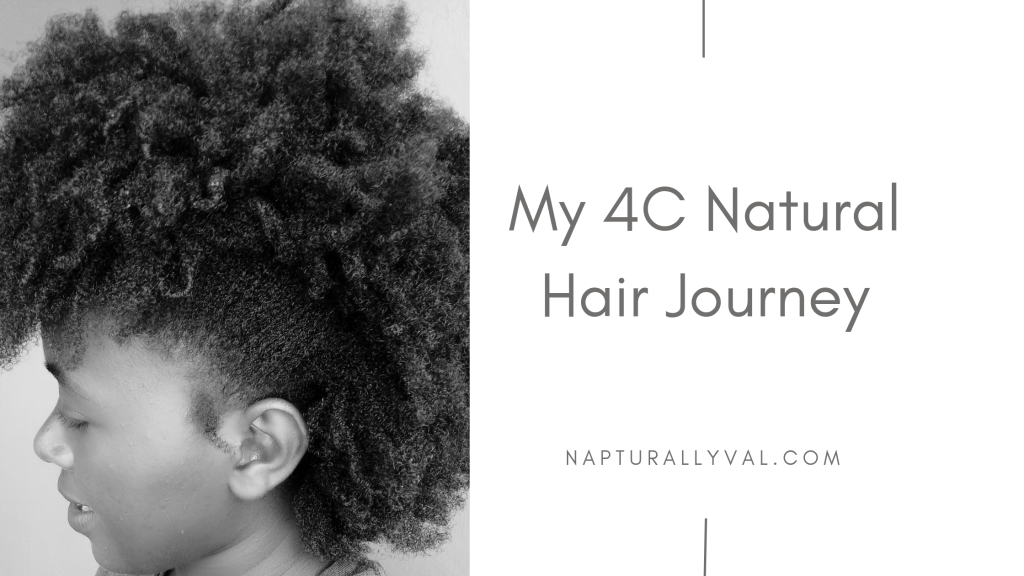
Hey girlies. You started your loc journey thinking moisturizing would be the easy part. Drink water, spritz your hair, done, right? And then three months in, your locs feel like dry rope and look dusty and somehow you’ve also got this weird waxy film going on and you’re standing in the bathroom at 11pm wondering where you went wrong.
Girl, I’m here to tell you: you didn’t ruin your locs. You just needed better information. So let’s get into everything you need to know about moisturizing your locs properly without all the build-up drama. Catch up on more natural locs blog posts here.
Feel like your hair has been the same length forever, I’ve an Ebook that will help you grow your hair healthier, longer and thicker. Grab your copy here… Also, check out all the Ebooks,guides and journals that will go a long way in your hair care journey here.
Table of Contents
First, Let’s Talk About Why Build-Up Happens
Before we fix the problem, we need to understand it. Build-up happens when product residue accumulates inside and on the surface of your locs faster than it gets washed out. Unlike loose natural hair where you can rinse and finger-detangle residue away, locs trap product inside them. Over time, that trapped product hardens, dulls your shine, attracts lint, and makes your locs stiff and sticky.
The sneaky culprits are almost always:
Heavy butters and oils used too frequently. Shea butter is gorgeous for loose hair. For locs? It’s a build-up nightmare if you’re applying it every other day. It sits on the outside of the loc and doesn’t penetrate, so it just layers and layers until your hair looks like it has a coating on it.
Product with silicones. Check your labels. Anything ending in “-cone” or “-xane” (dimethicone, cyclomethicone) creates a barrier that water can’t penetrate. Your hair will look shiny and feel soft temporarily and then feel drier than ever because moisture can’t get in.
Glycerin in dry climates. Glycerin is a humectant and pulls moisture from the air, great in humid climates, problematic in dry ones because it ends up pulling moisture from your hair instead.
Not washing enough. Some people think locs need minimal washing. Actually, the opposite is true. Regular cleansing is essential to remove build-up before it hardens.
The Golden Rule of Moisturizing Locs: Water Is Your Best Friend
Say it with me: water is the only true moisturizer.
Oils and butters are sealants, they lock in moisture. But they are not the moisture itself. This is the most misunderstood concept in the loc community. If you put shea butter on dry locs, you are sealing in dryness. You have to start with water.
This means every moisturizing routine should begin with water, either plain water, aloe vera juice, or a water-based leave-in before you think about touching any oil.
The LOC or LCO Method for Locs (And Which One You Should Use)
You may have heard of the LOC method (Liquid, Oil, Cream) or LCO method (Liquid, Cream, Oil) for natural hair. For locs, you need to adapt it.
For most loc types, the LO method works best:
- L — Liquid (water or aloe vera mist)
- O — Oil (a lightweight oil to seal)
That’s it. Keep it simple. Adding a heavy cream on top of oil is where most loc wearers run into build-up issues. Your locs don’t need as much layering as loose hair because they’re already “set”, the coiled structure actually retains moisture better than loose strands once you learn how to work with it.
If your hair is extremely dry or very coarse, you can do LOC lite; a water mist, a tiny drop of a light butter or cream, then a sealing oil. The key word is tiny.
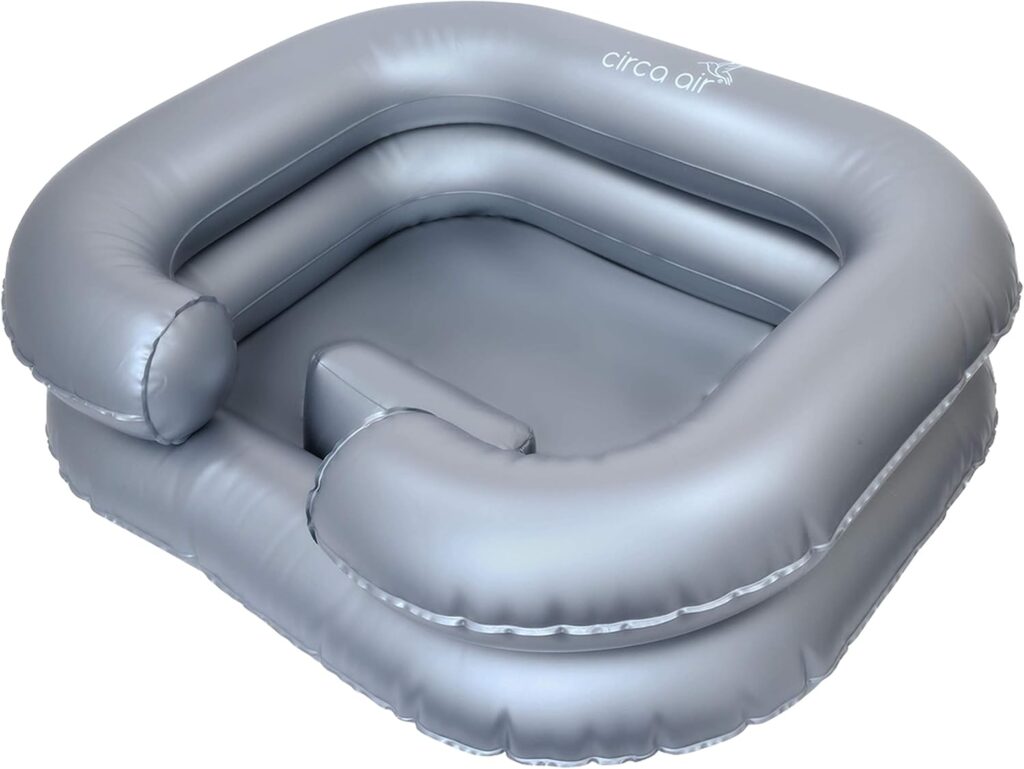
Circa Air Inflatable Hair Washing Basin; The Perfect Inflatable Sink For Locs Detox
Step-by-Step: How to Properly Moisturize Your Locs
Step 1: Start With Damp Locs
The best time to moisturize is right after washing, when your locs are slightly damp, not dripping wet. If you’re moisturizing on a non-wash day, spritz your locs with water first or use a moisturizing spray and let it sit for a minute before moving on.
Step 2: Apply Your Liquid Layer
Use a spray bottle with water or diluted aloe vera juice (about 70% water, 30% aloe vera). Aloe vera is excellent for locs because it’s lightweight, water-based, and has antibacterial properties that help prevent mildew (which is a real thing in locs more on that later). Spritz your locs lightly, you’re not trying to soak them.
Top Pick: Locsanity Daily Moisturizing Spray — It provides your locs with daily moisture to prevent locs from being damaged and drying out.
Step 3: Apply a Lightweight Oil (Sparingly)
After your liquid layer, take a very small amount of oil, we’re talking a few drops worked between your palms and run your hands over your locs. You’re sealing in the moisture, not coating your locs in oil.
The best oils for locs (lightweight, low build-up risk):
- Jojoba oil — Most closely mimics the scalp’s natural sebum. Absorbs well, leaves no heavy residue.
- Sweet almond oil — Lightweight, great for moisture retention, non-greasy.
- Grapeseed oil — One of the lightest oils out there. Absorbs quickly and doesn’t clog.
- Argan oil — A little goes a very long way. Adds shine without weight.
Oils to limit: Coconut oil, castor oil, and shea butter are heavier and should be used very sparingly, max once a week, mostly on the scalp, not saturating the entire loc.
Top Pick: Lockology Loc Oil with Lavender & Rosemary for Dreadlock Growth
Top Pick: Jamaican Mango & Lime Love Your Locs Lightweight Spray Oil
Step 4: Scalp Care Is Not the Same as Loc Care
Your scalp needs love too but separately. Don’t assume that oiling your locs is moisturizing your scalp. Directly massage a few drops of a nourishing oil into your scalp 2-3 times a week. Peppermint oil diluted in a carrier oil stimulates circulation and is incredibly refreshing.
Top Pick: Mielle Organics Rosemary Mint Scalp & Hair Strengthening Oil — A cult favorite for a reason. Lightweight, stimulating, and smells incredible.
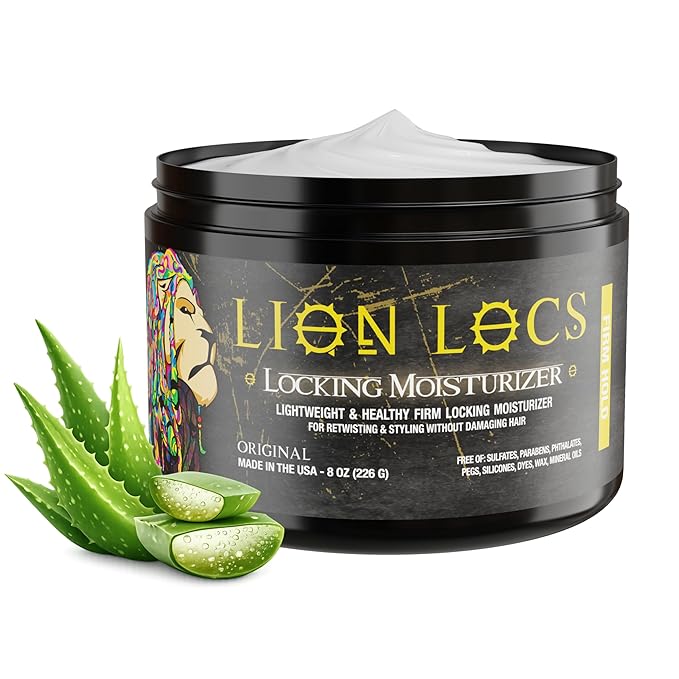
Lion Locs Dreadlock Locking Gel for Retwists & Braids
How Often Should You Moisturize Your Locs?
This one is personal and depends on your loc maturity, hair porosity, and environment. But here’s a general guide:
Starter/baby locs (0-6 months): Moisturize every 2-3 days. Your locs are still forming and more fragile. Keep product use minimal.
Teenage locs (6-18 months): Every 3-5 days. Your locs are starting to settle. You can start building a more consistent routine.
Mature locs (18+ months): Every 5-7 days, or as needed. Mature locs retain moisture much better than new ones.
Hot tip: Check your locs before moisturizing. Rub one between your fingers. Does it feel dry, brittle, or straw-like? Moisturize. Does it feel slightly supple and have some give? Leave it alone. Over-moisturizing is a thing, it leads to hygral fatigue and, you guessed it, build-up.
Deep Conditioning Your Locs: Yes, You Need To
Moisturizing daily or weekly is maintenance. Deep conditioning is the treatment. Every 4-6 weeks (monthly is fine), your locs need a deep conditioning session to replenish moisture from the inside out.
How to deep condition locs properly:
- Wash your locs first with a clarifying shampoo to remove any existing build-up.
- Apply your deep conditioner to wet locs, working it in from root to tip.
- Cover with a plastic cap and sit under a hooded dryer for 20-30 minutes (heat activates the conditioner and pushes it into the loc).
- Rinse thoroughly — and when you think you’ve rinsed enough, rinse again.
Top Pick: Camille Rose Naturals Algae Renew Deep Conditioning Mask — Water-based, rinses clean, no silicones. It’s genuinely one of the best for locs because it doesn’t leave residue.
Top Pick: ApHogee Keratin 2 Minute Reconstructor — Great for locs that are stretched, thin, or breaking. Quick treatment that strengthens.
The Build-Up Prevention Checklist
Here are the non-negotiables if you want to avoid build-up for good:
Clarify regularly. Clarifying removes the product and mineral residue that your regular shampoo misses. Do a clarifying wash once a month, or every 6 weeks. Use an ACV (apple cider vinegar) rinse or a dedicated clarifying shampoo.
Top Pick: LOCssentials Clarifying Shampoo for Locs — gently washing away build-up, flakes, and residue while nourishing your scalp to promote healthy growth, leaving your hair fresh, clean, and flake-free.
Use residue-free shampoos. This is huge. Regular shampoos are designed for loose hair and often contain waxes, silicones, and heavy conditioning agents that get trapped in locs. Look for shampoos specifically labeled “residue-free” or “loc-friendly.”
Top Pick: Jamaican Mango & Lime Love Your Locs Tingle Shampoo — Removes oil, dirt, and product buildup from locs, braids, twists, and natural hair without stripping moisture.
The ACV rinse trick: Once a month, mix 1 part apple cider vinegar with 4 parts water and pour it over your locs after shampooing. Let it sit for 2-3 minutes, then rinse with cool water. ACV clarifies build-up, seals the cuticle, and balances scalp pH. Your locs will feel incredibly soft and refreshed. Don’t skip this one, it’s one of the best things you can do for your locs.
Avoid lint-trapping products before bed. If you use a butter or heavy product at night, tie your locs in a satin or silk scarf. This prevents lint from your pillowcase from embedding into the product on your locs (which is extremely hard to remove once it’s in there).
Top Pick: Yanibest Satin Silk Bonnet — Double-layered, stays on all night, and comes in cute colors. Your locs will thank you.

4 Pieces Unisex Dreadlock Cap Long Hair Dreads Head Wrap Sleeping Cap
What About the Scalp Specifically? How to Moisturize Without Getting Greasy
Your scalp and your actual locs have different needs. Here’s how to handle the scalp without overdoing it:
Use lightweight scalp serums or diluted oils. Never apply thick butters directly to your scalp, they sit there, mix with your natural sebum, and create flaky build-up that looks like dandruff (even if it’s not).
Massage matters. When you apply oil to your scalp, spend 3-5 minutes doing a genuine scalp massage. This distributes the product, increases blood circulation, and encourages healthy hair growth. It also just feels amazing and you deserve that.
For itchy scalp: Tea tree oil diluted in a carrier oil (about 5 drops per tablespoon of carrier) is antifungal and anti-inflammatory. It soothes itchiness without the heavy residue of medicated shampoos.
Top Pick: Trader Joe’s Tea Tree Tingle Shampoo — Beloved in the loc community for a reason. Tingly, clarifying, and leaves your scalp breathing.
Let’s Talk About Mildew, Because Nobody Warns You
If you’ve ever noticed a musty, slightly sour smell from your locs even after washing, that’s mildew. It happens when your locs don’t dry completely. Locs, especially thick or long ones can hold water inside for 12-24 hours if you just air dry. That trapped moisture becomes a breeding ground for mildew.
How to prevent it:
- Always sit under a hooded dryer or use a blow dryer on low heat after washing, especially on the inner locs.
- Don’t go to sleep with damp locs.
- Add a few drops of tea tree oil to your rinse water, it’s antifungal.
- If you already have mildew, a thorough clarifying wash followed by an ACV rinse repeated over several wash days will usually resolve it.
The Minimalist Loc Moisturizing Routine (For Those Who Want to Keep It Simple)
If all of this feels like a lot, here’s the bare minimum that works:
- Spritz with water (or a water + aloe mix)
- Apply 2-3 drops of jojoba oil on your palms, rub together, rake through locs
- Done
Wash every 7-10 days with a residue-free shampoo. Do an ACV rinse monthly. Deep condition every 4-6 weeks. That’s it. Everything else is a bonus.
Signs Your Routine Is Working
You know you’ve figured it out when:
- Your locs feel soft and supple, not stiff or crunchy
- They look shiny in natural light (not greasy, genuinely shiny)
- No white flakes or dusty residue on the surface
- Your scalp doesn’t itch constantly
- Locs feel “alive”, they have natural movement and bounce
- No musty smell between washes
Quick Reference: Ingredients to Avoid in Loc Products
Check every product label before using it on your locs. Avoid anything with:
- Beeswax or carnauba wax (hardest to remove from locs, causes serious build-up)
- Lanolin
- Petrolatum or mineral oil
- Any “-cone” or “-xane” silicones
- Paraffin
Moisturizing natural locs without build-up really comes down to three things: use water first, keep products lightweight, and wash regularly. The loc journey is a marathon, not a sprint, and your routine will evolve as your locs mature. What works in your first three months won’t be what works at year three and that’s perfectly normal.
The biggest thing I want you to take away? Less is genuinely more with locs. Your instinct when hair feels dry is to pile on product. Resist that instinct. Mist with water, seal lightly, and let your locs breathe. Your hair knows what it’s doing. Help it, don’t smother it.
You’ve got this. Your locs are going to be absolutely stunning.