
If you’ve ever wondered how your company stacks up against the growing tide of environmental regulations or how you can turn sustainability into a competitive edge, you’re in the right place. As an environmental audit expert with years of boots-on-the-ground experience helping everything from small startups to mid-sized firms get their green game on point, I’m excited to dive into this topic with you. Environmental auditing might sound like a dry, bureaucratic chore, but trust me, it’s a powerful tool that can save you money, shield you from risks, and even boost your brand’s appeal in an eco-conscious world.
In this beginner’s guide, we’ll unpack what environmental auditing really is, why it’s essential for businesses like yours, the different types, how the process works step by step, and much more. By the end, you’ll have the knowledge to decide if it’s time to audit your operations, and how to get started without feeling overwhelmed. Find more environment and sustainability posts here.
Table of Contents
Understanding the Basics: What Exactly is Environmental Auditing?
So, what is environmental auditing? At its core, it’s a systematic review of your business’s activities, processes, and impacts on the environment. Think of it as a health check-up for your company’s ecological footprint. It evaluates how well you’re complying with laws, managing resources, and minimizing harm to the planet. According to the U.S. Environmental Protection Agency (EPA), an environmental audit is “a systematic, documented, periodic, and objective review of facility operations and practices related to meeting environmental requirements.” But it’s more than just ticking boxes, it’s about uncovering opportunities to do better.
For businesses and organizations, this means looking at everything from waste disposal and energy use to emissions and supply chain practices. It’s not punitive; it’s proactive. I’ve seen audits reveal simple fixes, like switching to energy-efficient lighting, that slash utility bills by thousands annually. In essence, environmental auditing helps you measure, manage, and improve your environmental performance, ensuring you’re not just surviving regulations but thriving sustainably.
Why does this matter now? With climate change headlines dominating the news and consumers demanding greener products, did you know 78% of global consumers say they’ll change habits to reduce environmental impact?, ignoring this could leave your business behind. It’s profound how a single audit can shift your mindset from compliance as a cost to sustainability as an investment.
The Evolution and Importance of Environmental Auditing in Today’s Business World
Environmental auditing didn’t just pop up overnight. It evolved from the 1970s environmental movement, spurred by events like the Love Canal disaster, which highlighted the need for corporate accountability. By the 1980s, companies started voluntary audits to avoid liabilities, and today, it’s integral to frameworks like ISO 14001, the international standard for environmental management systems (EMS).
For businesses and organizations, the importance can’t be overstated. First off, it ensures compliance with ever-tightening regulations, think Clean Air Act, Clean Water Act, or EU directives. Non-compliance can lead to fines upwards of $100,000 per violation, not to mention shutdowns. But beyond avoiding penalties, audits drive efficiency. They identify waste in resources, like excess water usage in manufacturing, leading to cost savings. Safety Culture emphasizes that audits help control environmental practices and preserve the planet while boosting productivity.
On a deeper level, it’s about building resilience. In a world facing resource scarcity, audited businesses are better positioned for long-term success. It’s essential for attracting investors too, ESG (Environmental, Social, Governance) criteria are now non-negotiable for many funds. Profoundly, environmental auditing fosters a culture of responsibility, turning your team into stewards of the earth.
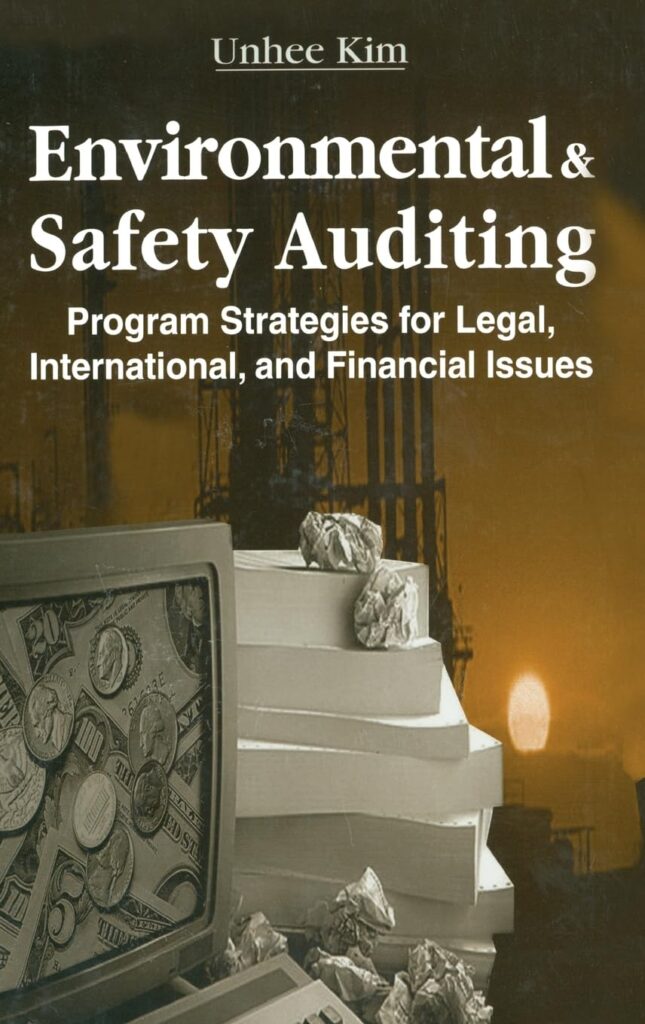
This is a complete and concise guide to creating and managing a successful environmental audit program. It provides step-by-step guidance on setting up an audit program for nearly every major component of environmental concern, from air standards to workplace safety, and from effluent discharge to waste handling and disposal.
Exploring the Different Types of Environmental Audits
Not all audits are created equal, there are several types tailored to your needs. Let’s break them down:
- Compliance Audits: These are the most common for beginners. They check if you’re following environmental laws, permits, and regulations. For example, ensuring your factory’s emissions meet EPA standards. They’re straightforward and often required for licenses.
- Management System Audits: Focused on your EMS, these evaluate policies and procedures against standards like ISO 14001. They assess if your system is effective in achieving environmental goals, such as reducing carbon footprint by 20%.
- Functional or Performance Audits: These zoom in on specific areas, like waste management or energy efficiency. They’re great for targeted improvements, say, auditing your supply chain for sustainable sourcing.
Choosing the right type depends on your industry and goals. A manufacturing business might start with compliance, while a service-oriented organization could benefit from management audits. In my experience, combining types provides a holistic view, catchy, right? It’s like getting a full-body scan instead of just checking your blood pressure.
The Step-by-Step Process of Conducting an Environmental Audit
Alright, let’s get practical. How do you actually conduct one? The process typically unfolds in three phases: pre-audit, audit, and post-audit. I’ll walk you through it based on standard practices from sources like NREP and SafetyCulture.
Pre-Audit Phase: This is all about preparation. Assemble a team, internal experts or external auditors like me. Define the scope: What sites, processes, or issues are you auditing? Gather documents: permits, maps, training records, chemical inventories, and past reports. Create a plan outlining timelines and responsibilities. Pro tip: Involve top management early for buy-in.
Audit Phase: The main event. Start with an opening meeting to set ground rules. Then, review documents for compliance and consistency. Conduct site inspections; walk the floor, check equipment, take samples if needed. Interview staff to gauge understanding of policies. Use checklists to evaluate performance against standards. Hold daily debriefs to track findings, and end with a closing meeting to discuss issues and preliminary recommendations.
Post-Audit Phase: Analyze data, compile a report highlighting strengths, non-compliances, and action items. Develop a corrective plan with timelines. Follow up to ensure implementation. For ISO 14001, this might include surveillance audits annually.
The whole process can take weeks to months, depending on size. Costs? For small businesses, $5,000–$20,000 for an external audit, but the ROI is huge through savings and risk avoidance. I’ve guided clients through this, and the key is transparency, hiding issues only makes them worse.
Key Standards and Frameworks: Spotlight on ISO 14001
No guide would be complete without mentioning ISO 14001, the gold standard for EMS. It’s a framework for managing environmental responsibilities systematically. Audits under ISO 14001 focus on risks, opportunities, life cycle perspectives, and continual improvement.
The auditing group for ISO 14001 provides guidance on topics like auditing external providers and improvement metrics. For certification, expect a two-stage audit: preliminary review and full implementation check, followed by recertification every three years. It’s profound how adopting this standard can elevate your business, certified companies often see 15-20% reductions in energy use.
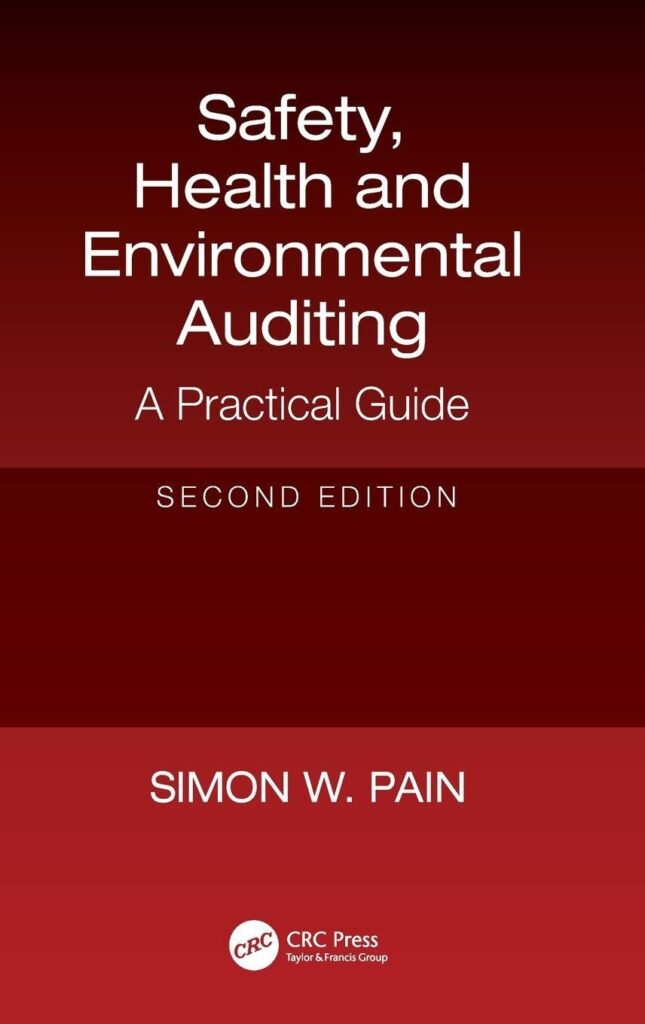
The goal of this book remains the same, to provide a “down to earth” guidance for managers and specialists in organizations who are committed to improving their safety, health and environmental performance, but are not sure where to start or do not wish to employ consultants to do this for them. They do it themselves using this book.
The Top Benefits: Why Bother with Environmental Auditing?
We’ve touched on this, but let’s dive deeper. Benefits include:
- Compliance and Risk Reduction: Avoid fines and legal troubles.
- Cost Savings: Optimize resources, cut waste, up to 30% savings in some cases.
- Enhanced Reputation: Attract customers and talent by proving sustainability.
- Operational Efficiency: Identify innovations, like better processes.
- Stakeholder Trust: Build relationships with regulators and communities.
In my work, I’ve seen audits lead to unexpected wins, like qualifying for green grants.
Common Challenges and How to Overcome Them
Audits aren’t without hurdles. Common ones: High costs for small businesses, resistance from staff, or incomplete data. Overcome by starting small, training teams, and using digital tools for tracking. Limitations like snapshot views? Complement with ongoing monitoring.
Real-World Case Studies: Success Stories from Businesses
Let’s make this tangible with examples. Unilever, through rigorous environmental reporting and audits, reduced water use by 44% and waste by 96% per ton of production, boosting their sustainability creds. A distillery in India audited its operations, identifying wastewater issues and implementing fixes that cut pollution and costs. Small businesses via the National Small Business Environmental Program have case studies showing energy savings and compliance wins. These stories show audits pay off.
Getting Started: Tips for Your First Environmental Audit
Ready to act? Assess your needs, choose internal vs. external auditors, gather docs, and schedule. For resources, I recommend “Environmental Auditing: Fundamentals and Techniques” by J. Ladd Greeno, it’s a beginner-friendly deep dive. Or “Environmental, Health and Safety Auditing Handbook” for practical tips.
There you have it, a comprehensive beginner’s guide to environmental auditing. It’s not just essential; it’s a gateway to a more resilient, profitable business. Start small, stay committed, and watch the benefits unfold.