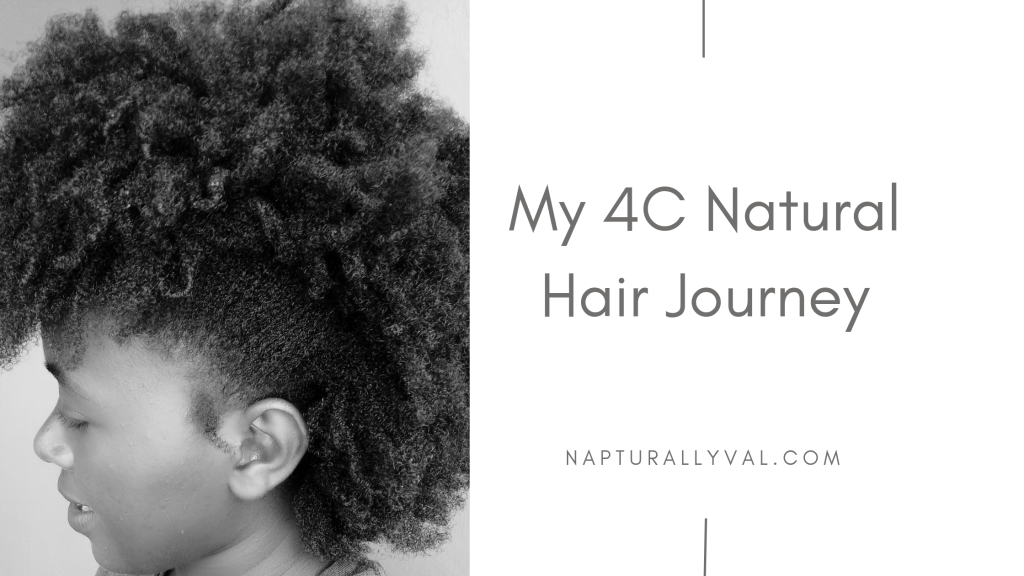
Starting locs is one of the most exciting, meaningful, and honestly life-changing decisions you can make about your natural hair. And if you have 4C hair? Bestie, you are sitting on a goldmine of loc potential. Those tight, dense, glorious coils were practically built for this.
But here’s the thing, starting locs isn’t something you just wake up and do one Saturday morning without any preparation or knowledge. The decisions you make at the very beginning of your loc journey, the method you choose, the products you use, the care habits you build from day one directly impact how healthy, strong, and beautiful your locs become years down the line.
This is the complete guide. We’re going all the way in; what to consider before you even start, how to choose the right method for your hair and lifestyle, how to install your starter locs, and how to care for them every single day, week, and month during the starter phase and beyond.
Ready to grow the hair of your dreams? Our Hair Growth & Hair Care eBooks and Hair Planner are the ultimate tools to transform your routine! Learn proven tips to boost growth, build the perfect regimen, and track every step of your journey. Say goodbye to trial and error—this is your guide to healthy, thriving hair. Grab yours here now and start your glow-up today!
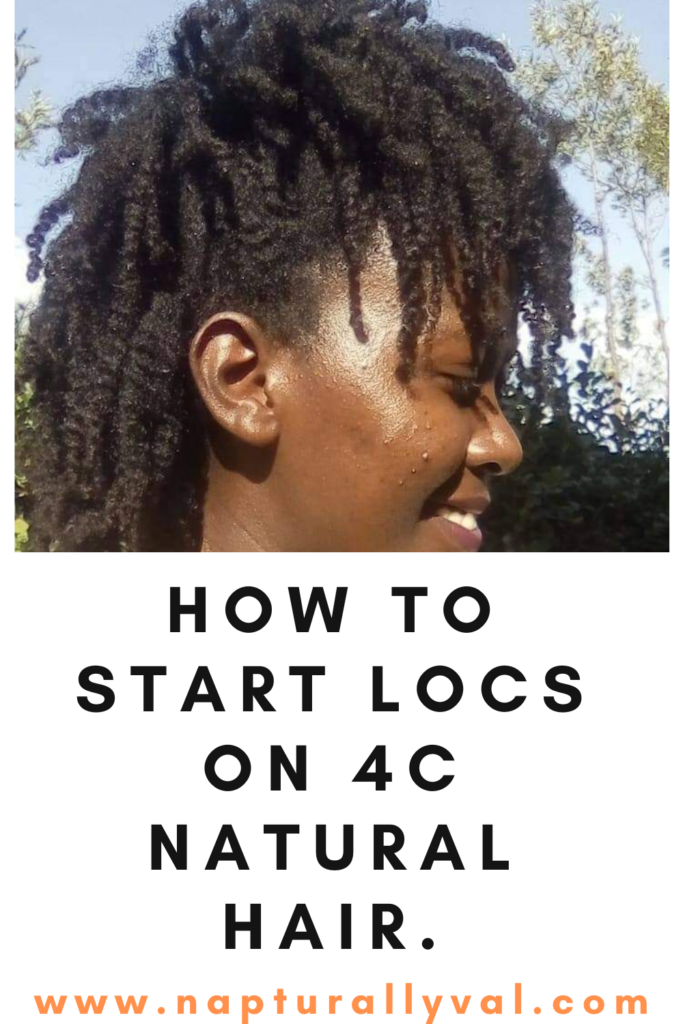
Table of Contents
Why 4C Hair is Perfect for Locs
Before we get into the how, let’s talk about the why. 4C hair’s unique structure makes it ideal for locs because:
Tight Coils Hold Shape: The natural coil pattern allows locs to form quickly and securely. Those tight bends and twists create natural grip that helps the hair knit together faster than looser textures.
Volume for Days: 4C hair gives locs a full, thick appearance that many people absolutely love. The natural density of 4C hair means your locs develop gorgeous fullness and presence.
Low Maintenance: Once your locs are established, they’re one of the easiest natural hairstyles to maintain. No detangling, no daily styling, just cleansing, moisturizing, and protecting
Versatility: 4C locs are incredibly versatile. Once mature, they can be styled in updos, buns, loose styles, and more. The texture of 4C locs means they hold styles beautifully.
Starting locs is about embracing your natural texture in its purest form. With 4C hair, you’re working with a canvas that’s already designed for greatness!
Related: The Pros and Cons of Starting Locs with Twists, Coils, or Interlocking.
What to Consider Before Starting Your Loc Journey
This is the section most loc guides skip and it’s one of the most important. Before you commit to locs, there are several deeply personal, practical, and hair-health considerations you need to sit with. Taking time here saves you from regret, frustration, and potential hair damage down the road.
1. Locs Are a Long-Term Commitment
This seems obvious but it’s worth saying plainly: locs are not a style you install and remove a few weeks later. Depending on your hair length and the method you choose, your locs will take months to fully form and years to fully mature. The starter phase alone typically lasts 3–6 months. If you have any hesitation about the longevity, take more time to think before committing. The only way out of locs (other than cutting them) is a very lengthy and intensive unlocking process that isn’t always possible without significant damage.
2. Your Hair’s Current Health
The health of your hair going into your loc journey matters enormously. Just like with coloring, starting locs on already-damaged, severely dry, or protein-deficient hair creates a foundation of weakness that your locs will carry forward. Spend at least 4–8 weeks getting your hair healthy before starting deep conditioning consistently, incorporating protein treatments, trimming damaged ends, and building your hair’s strength and moisture levels.
3. Your Lifestyle
Think honestly about your lifestyle before choosing a starter method and size. Are you active and work out frequently? Your scalp sweats more, which means you’ll need to wash more often, smaller locs dry faster. Do you work in a conservative professional environment? Some loc methods look more polished and “finished” in the early stages than others. Do you travel a lot or have a busy schedule? Some methods require more maintenance than others in the early weeks.
4. Your Hair Length
Not all starter methods work on all hair lengths. Some methods, like comb coils work beautifully on short hair as short as 1–2 inches. Two-strand twists typically need at least 3–4 inches. Braids need enough length to actually braid. Interlocking can work at various lengths but needs enough hair to manipulate. Know your starting length and choose a method that’s compatible with it.
5. Loc Size: Thinking It Through
The size of your starter sections becomes the permanent size of your locs. Sections that are too small can lead to thinning and weak locs over time. Sections that are too large create heavy, thick locs that take much longer to dry and can develop mildew if not dried completely after washing. As a general guide:
Micro locs (very small sections, pencil-tip size) — create many fine locs. High count, delicate appearance, takes longer to install.
Small locs (pea-sized sections) — a popular choice for 4C hair. Creates many locs with good density and definition.
Medium locs (marble-sized sections) — the most common size. A good balance of thickness, manageability, and drying time.
Large locs (quarter-sized or larger sections) — fewer, thicker locs. Chunky and full appearance but take longest to dry.
Think about the look you want to achieve long-term before you install your starter sections. Once your locs mature, changing the size is not easy.
6. The Cultural and Personal Significance
For many people, starting locs is deeply personal; spiritually, culturally, or emotionally significant. Take time to sit with your reasons for wanting locs. Your motivation will carry you through the challenging phases of the journey (and yes, there will be challenging phases). Whether your locs are about cultural connection, a fresh start, spiritual practice, or simply loving the aesthetic, knowing your “why” gives your journey meaning and keeps you grounded when the process feels slow or difficult.
7. Budget
Starting locs professionally can range from affordable to quite expensive depending on your location, the method, your hair length, and the loctician’s experience. If you’re going to a loctician, factor in the initial installation cost plus the cost of regular retwist or maintenance appointments. If you’re doing your locs at home, factor in product costs. Research what’s available in your area and budget accordingly before you begin.
8. Finding a Skilled Loctician (If Going Professional)
Not all locticians are created equal and specifically, not all are experienced with 4C natural hair textures. Ask for portfolios, specifically of 4C natural hair loc work. Read reviews. Ask about their approach to scalp health, section size recommendations, and maintenance. A good loctician will also ask YOU questions and discuss your goals before putting a single product in your hair.
What to Consider When Choosing Your Starter Method
Your starter method is one of the most important decisions of your entire loc journey. It sets the foundation for how your locs form, how long the process takes, how they look in the early stages, and how they feel to maintain. Here’s everything to weigh:
Hair Texture and Density
4C hair generally locks up faster than looser textures regardless of the method used but the tightness and density of your specific 4C hair still matters. Very dense, thick 4C hair responds beautifully to two-strand twists and interlocking. Fine 4C hair may do better with comb coils or two-strand twists at a slightly larger section size to ensure the locs develop enough strength.
Desired Aesthetic
Do you want neat, uniform locs with defined parts? Two-strand twists, comb coils, or interlocking give you that structured, polished starter look. Do you prefer an organic, free-form look that doesn’t follow a precise parting grid? Freeforming is your answer. The final look of your mature locs is influenced by your starter method, research images of mature locs from each method to see what speaks to you.
Maintenance Commitment
Some methods require more frequent retwisting or maintenance in the early stages than others. Two-strand twists need retwisting every 4–6 weeks in the starter phase to prevent unraveling. Interlocking is more durable and may need less frequent maintenance appointments. Freeforming requires the least manipulation but needs regular washing and separation. Know how much time and money you can consistently commit to maintenance before choosing.
Your Scalp Sensitivity
If you have a sensitive scalp or have experienced traction alopecia in the past, interlocking done too tightly can be problematic. Two-strand twists and comb coils are generally gentler on the scalp when installed properly. Always speak up if anything feels too tight, pain during installation is never acceptable.
Experience Level
Are you installing your own starter locs at home? Some methods are more beginner-friendly than others. Two-strand twists and comb coils are the most accessible for at-home installations. Interlocking requires a latch hook tool and some practice before you can do it accurately. Freeforming is the least technically demanding but requires the most patience. Be honest about your skill level and choose accordingly.
Choosing the Right Method to Start Locs on 4C Hair
When starting locs, the method you choose depends on your hair length, lifestyle, and personal preferences. Here are the most popular methods:
1. Two-Strand Twists
One of the most common methods, two-strand twists are easy to install and maintain, making them perfect for beginners.
Why It’s Great for 4C Hair:
- Twists hold well due to the tight coil pattern.
- They create thick, cylindrical locs over time.
How to Start:
- Part your hair into sections based on your desired loc size.
- Take two strands of hair and twist them together from root to tip.
- Repeat for your entire head.
What to Expect: In the early weeks, your two-strand twists will look like, well, twists. Over several months, the hair inside begins to knit and mat together, forming the loc. The time it takes to fully loc from two-strand twists varies but typically ranges from 6 months to over a year depending on your hair texture and maintenance habits.
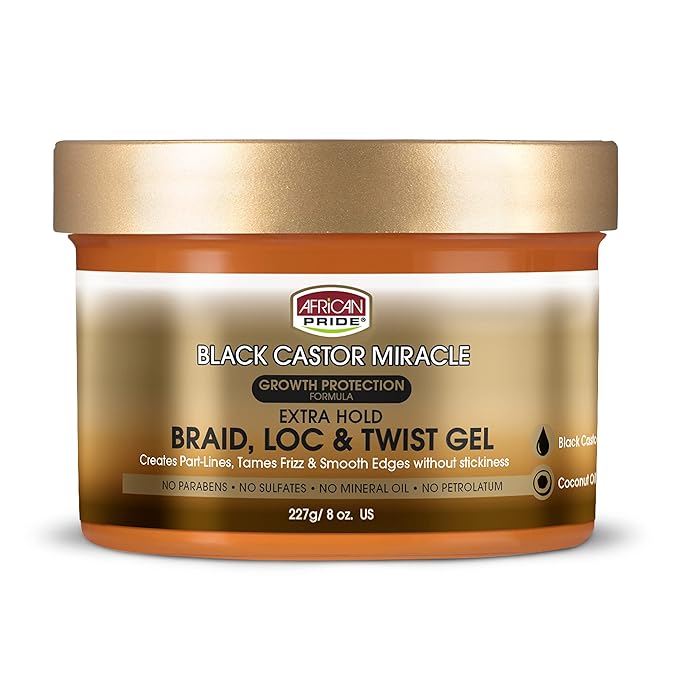
Tip: Use a light locking gel, like African Pride Black Castor Miracle Extra Hold Braid, Loc, Twist Gel, Tames Frizz & Edges to keep twists neat and secure.
2. Comb Coils
Comb coils are great for shorter 4C hair and create uniform, tight starter locs.
Why It’s Great for 4C Hair:
- Works well on short hair that’s difficult to twist.
- Provides a clean, polished look for starter locs.
How to Start:
- Section your hair into small parts.
- Use a rat-tail comb to twist each section into a coil, starting at the root.
- Repeat until your entire head is coiled.
What to Expect: Comb coils look neat and defined right after installation. They can be delicate in the early stages especially when wet, so avoid excessive handling and wetting too frequently in the first few weeks. With 4C hair, comb coils typically lock up relatively quickly into proper starter locs.
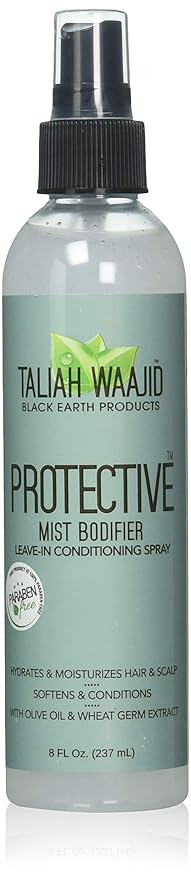
Tip: Keep your coils moisturized with Taliah Waajid Black Earth Protective Mist Bodifier
3. Freeforming
For a natural and organic look, freeforming allows your hair to loc on its own without much manipulation.
Why It’s Great for 4C Hair:
- Embraces your hair’s natural tendencies.
- Minimal effort and no need for parting or styling.
How to Start:
- Stop combing or detangling your hair.
- Allow your hair to naturally mat and form into locs over time.
- Separate locs as they form to maintain your desired size.
What to Expect: Freeform locs are the most organic and natural-looking of all the methods. Because there’s no structured parting, they tend to vary in size and shape which many people find beautiful and unique. The trade-off is that you need to be vigilant about separation in the early stages to prevent your entire head from becoming one large mat.
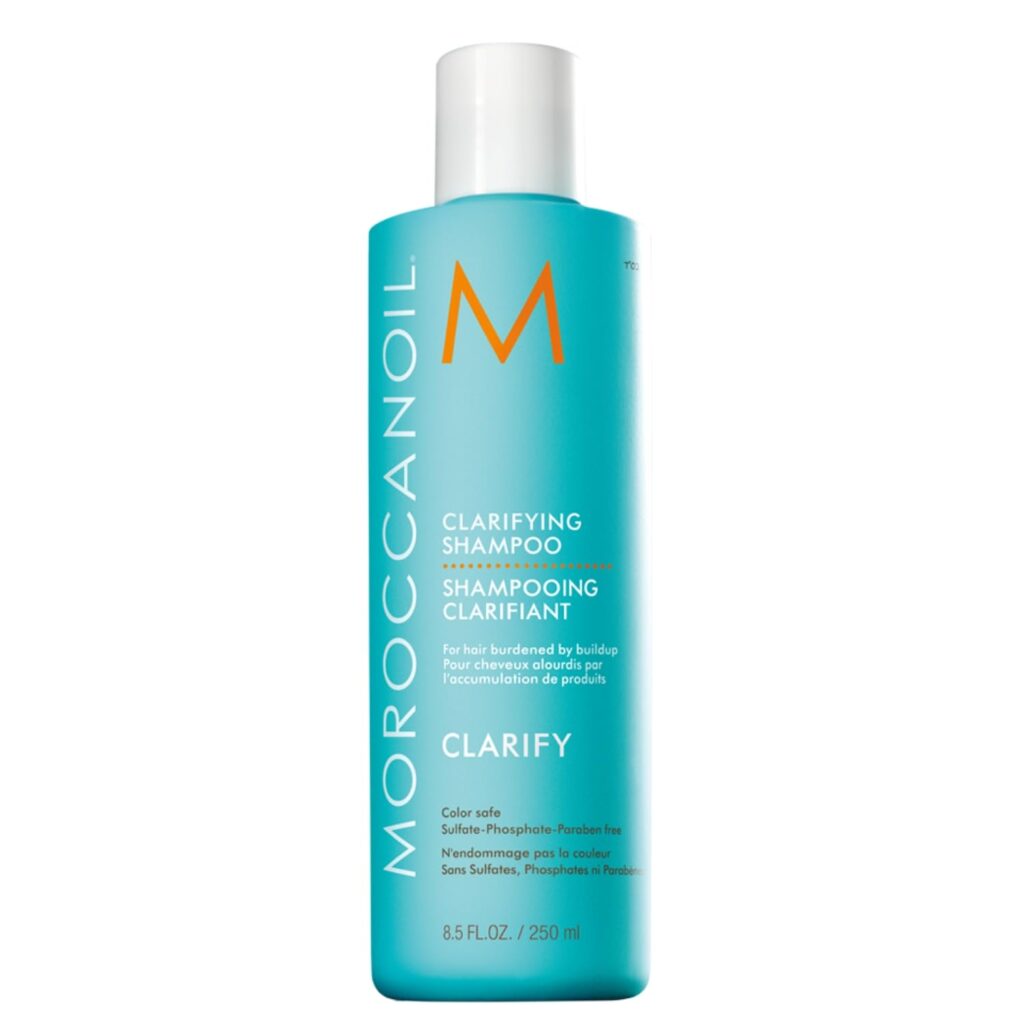
Tip: Wash regularly with a clarifying shampoo like WOW Skin Science Apple Cider Vinegar Shampoo to keep your scalp clean and healthy.
4. Interlocking
Interlocking is a more structured method that involves threading the hair through itself to form a loc.
Why It’s Great for 4C Hair:
- Ideal for those who sweat a lot or need a long-lasting style.
- Works well for both short and long hair.
How to Start:
- Use a latch hook tool to pull the ends of your hair through the base.
- Repeat until the loc is tight and secure.
- Move on to the next section.
What to Expect: Interlocking creates a very secure, tight loc at the root that resists unraveling even with sweating and frequent washing. This makes it popular for active people and those who wash frequently. However, over-interlocking or doing it too frequently can cause thinning at the root over time, so be cautious and avoid over-manipulation.
Tip: Avoid over-tightening to prevent damage. Use a leave-in conditioner like Jamaican Mango & Lime No More Itch Gro Spray to keep your scalp hydrated.
5. Braided Starter Locs
An often overlooked method, braided starter locs use small box braids as the foundation for locs. The braids eventually fuse and loc over time.
Why It’s Great for 4C Hair: Works beautifully on medium to longer 4C hair. Creates locs with a slightly rounder, fuller cross-section than twists.
How to Start:
- Part your hair into your desired sections.
- Braid each section all the way to the ends.
- Allow to loc over time with proper care.
What to Expect: Braided starter locs take longer to fully loc than twists or comb coils, sometimes 1–2 years before they’re truly mature. However, many people love the look of the braided phase and find it blends beautifully with various styles during the transition.
The Stages of the Loc Journey: What to Expect
Understanding the stages your locs will go through helps you stay patient and committed during the times when the process feels messy or uncertain.
Stage 1: The Starter/Baby Phase (Months 1–6)
This is the phase your freshly installed locs are in. During this stage, your locs look like whatever method you used; twists, coils, braids and the hair inside hasn’t fully begun to knit together yet. This is the most delicate stage. Your locs can unravel more easily, especially when wet. You need to be gentle, avoid over-manipulation, and resist the urge to constantly touch or restyle.
What’s happening: The hair is beginning the process of coiling and knotting at the inside of each section. The outer appearance may still look like your starter style.
The challenge: Patience. This stage looks the least “loc-like” and it’s the stage where many people give up. Don’t.
Stage 2: The Budding Phase (Months 6–12)
This is when things start getting exciting. You’ll notice your locs beginning to bud, small knots or balls forming along the length of the loc. This is the hair knotting and beginning to truly loc. Your locs may look a little bumpy or uneven during this phase, and that is completely normal and beautiful.
What’s happening: The hair inside your locs is actively knotting and beginning to permanently fuse together. This is the actual locking process in motion.
The challenge: Frizz and the “in-between” look. Your locs aren’t neat starters anymore but they’re not fully formed locs yet. Embrace this phase — it’s proof that your locs are progressing.
Stage 3: The Teenage Phase (Months 12–18)
Your locs are starting to look more like actual locs, but they may still have some frizz, uneven texture, or bulges along the shaft. They’re longer now and have more visible personality. This is also the phase where many people experience the most length and begin to really enjoy their locs.
What’s happening: The locs are continuing to fuse and tighten. The outside begins to smooth out and the internal structure becomes more solid.
The challenge: Managing expectations. Your locs look different every few months during this phase. Trust the process.
Stage 4: The Mature Phase (18 Months and Beyond)
This is what you’ve been waiting for. Mature locs are fully fused, have a smooth outer surface, are strong, and have developed their unique personality and shape. They move freely, hold styles, and are at their most versatile and low-maintenance.
What’s happening: The locs are fully locked from root to tip. New growth continues to loc at the root with maintenance.
The reward: Everything. Mature locs on 4C hair are truly one of the most stunning things in the natural hair world.
How to Care for Starter Locs on 4C Hair: Your Complete Routine
Once your locs are installed, proper care is everything. The habits you build now in the starter phase lay the foundation for the health and beauty of your locs for years to come. Here’s your complete care guide from daily to monthly.
Daily Starter Loc Care
Daily care for starter locs is simple but important. The goal every day is to maintain moisture, protect your locs from damage, and avoid the temptation to over-manipulate.
Morning Moisture Check
Every morning, assess your locs. Are they soft and pliable? A little oil on the scalp and tips is all they need. Are they feeling dry and stiff? Time for a light moisture refresh.
Mist your locs lightly with a water-based spray and then seal immediately with a lightweight oil. Never leave moisture on locs without sealing, evaporation of water without sealing leads to dryness. Spray your starter locs lightly each morning using a moisturizing water-based mist — a gentle, lightweight hydrating spray that keeps your 4C starter locs moisturized throughout the day without causing buildup or unraveling your delicate new growth, keeping your scalp and locs comfortable and hydrated from the very first days of your loc journey.
Follow your mist by sealing with a lightweight oil using Tropic Isle Living Jamaican Black Castor Oil — a rich, nourishing sealing oil that locks moisture into your starter locs, promotes healthy scalp circulation, and with consistent daily use helps create the strong, healthy hair foundation your developing locs need to thrive from root to tip.
Avoid Touching Your Locs Constantly
We know, they’re new and exciting and you want to feel them constantly. But over-handling your starter locs causes frizz, unraveling, and lint buildup. Try to leave them alone between refresh sessions.
Keep Your Parts Clean
If you have a structured parting grid (from two-strand twists, interlocking, or comb coils), try to keep the partings clean and free from excessive product application in the early weeks. Buildup along the parts can affect how cleanly your locs form.
Nighttime Protection for Starter Locs
What you do with your locs at night matters enormously, especially in the fragile starter phase when your locs can unravel more easily.
Protect your locs every single night without exception. The friction of cotton pillowcases causes frizz, lint pickup, and unraveling of starter locs, none of which you want. Tuck your locs in and protect them every night using a satin or silk bonnet– choose one with enough room to fit all your locs comfortably without squishing them, as compression can distort the shape of your starter locs during the early budding phase.
For a more structured option that fits longer or fuller locs, protect your hair at night with the Grace Eleyae Satin-Lined Cap — a satin-lined cap that fully accommodates starter locs of all lengths, eliminates friction and frizz overnight, significantly reduces lint buildup, and keeps your locs looking neater and more defined from one day to the next.
If your locs are long enough, you can also loosely gather them to the top of your head (a very loose pineapple) and cover with your bonnet to further reduce overnight compression.
Weekly Starter Loc Care
Scalp Care and Oiling
Once or twice a week, give your scalp dedicated attention. Part through your locs and apply a nourishing scalp oil directly to the scalp, not just on the locs themselves. Massage gently to stimulate circulation and keep your scalp healthy. A healthy scalp is the foundation of healthy loc growth.
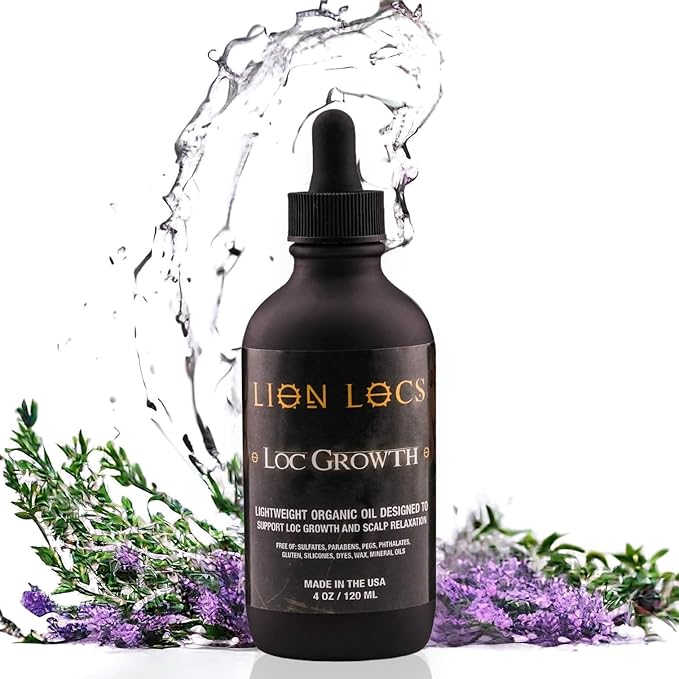
Nourish your scalp and support healthy loc growth using Lion Hair Growth Oil and Scalp Relaxer — a lightweight scalp oil specifically formulated for dreadlocks and locs that nourishes your scalp at the follicle level, reduces scalp irritation and dryness during the starter phase, and with consistent weekly application helps support healthier, stronger hair growth throughout your entire loc journey.
Lint and Buildup Check
Once a week, visually check your locs for lint buildup. Lint from clothing, bedding, and towels is one of the most common complaints in the starter loc phase and it gets permanently trapped in your locs if not addressed. Wearing your bonnet nightly and wearing your locs up and away from lint-producing fabrics helps significantly. When you do notice lint, carefully remove it with a fine-tooth comb or a small pick before it gets embedded deeper into the loc.
Wash Day for Starter Locs: Every 2–4 Weeks
Washing your starter locs is one of the most debated topics in the loc community. Some people wash every week; others wait longer in the early stages to allow their locs to form without disruption. For 4C starter locs, washing every 2–4 weeks during the starter phase is a good general guideline, but listen to your scalp. If it’s itchy, flaky, or producing a lot of oil before the 2-week mark, wash sooner.
The most important rule of starter loc washing: Use a residue-free shampoo. Regular moisturizing shampoos and conditioners leave residue inside your locs that builds up over time, causes odor, and attracts lint. Residue-free or clarifying formulas clean effectively without leaving anything behind.
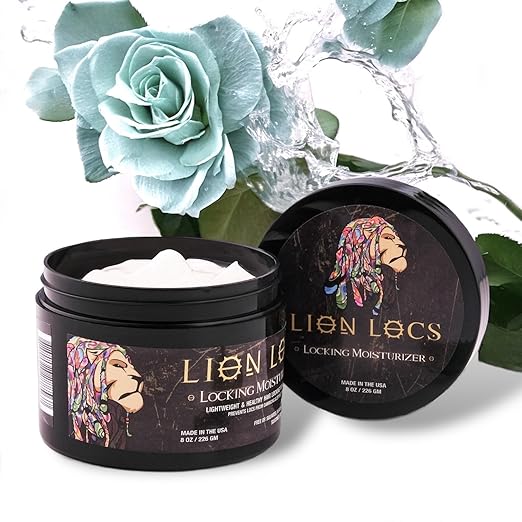
Cleanse your starter locs thoroughly without causing buildup using Lion Locs Shampoo and Conditioner for Dreads, Sisterlocks, Locks, & Dreadlocks — a gentle but effective residue-free formula specifically designed for locs that removes buildup, product residue, and scalp oils without leaving anything behind inside your developing locs, keeping your starter locs clean, fresh, and free from the buildup that can slow down the locking process and cause long-term odor and hygiene issues.
Common Starter Loc Challenges and How to Overcome Them
1. Frizz
Frizz is a natural part of the loc journey, especially for 4C hair. Embrace it, it’s a sign that your hair is locking!
Solution: Use a lightweight gel to smooth frizz without weighing down your locs. Remember that some frizz during the starter phase is completely normal and expected. Your locs are literally knotting themselves, frizz is part of that process. Over-attempting to smooth frizz by constantly retwisting or applying too much product does more harm than good.
2. Buildup
Product residue can accumulate in your locs over time, especially from heavy oils, butters, and waxes.
Solution: Do an apple cider vinegar (ACV) rinse every 4–6 weeks to cleanse your locs. Avoid using wax-based products on your starter locs, wax is incredibly difficult to remove from inside locs and can cause buildup that permanently affects your locs’ appearance. Stick to water-based gels and lightweight oils.
3. Itchy Scalp
An itchy scalp is incredibly common during the starter phase, especially in the first few weeks after installation.
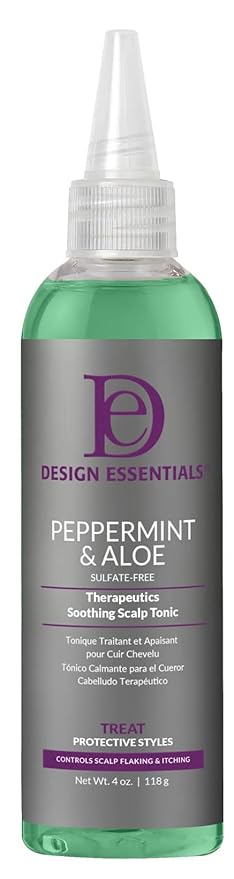
Solution: Use a soothing scalp spray to calm irritation. Apply Design Essentials Peppermint & Aloe Therapeutics Soothing Scalp Tonic directly to your scalp between wash days, a cooling, anti-inflammatory scalp tonic infused with peppermint and aloe that immediately soothes itching and irritation, reduces scalp inflammation during the tender starter loc phase, and provides lasting relief without disturbing your delicate new growth or leaving residue in your developing locs.
4. Unraveling
One of the most common and frustrating starter loc challenges especially with two-strand twists or comb coils is sections unraveling, particularly when wet.
Solution: This is normal in the first few months because your locs haven’t internally knotted yet. Make sure you’re using a holding product during installation and retwist. Avoid excessive water exposure in the very early weeks. When washing, use the pressing and squeezing technique rather than rubbing. Sit under a hooded dryer to dry your locs instead of air drying in the early weeks, the heat helps set the twists as they dry. And above all, be patient. Once your locs begin to knit internally (the budding phase), unraveling becomes much less of an issue.
5. Thinning at the Roots
Thinning at the base of locs, sometimes called “thinning roots” happens when there is too much tension at the root, over-interlocking, or too-frequent retwisting.
Solution: Never allow your locs to be installed or retwisted too tightly. If it hurts, it’s too tight. Space out your maintenance appointments every 4–6 weeks is enough, not every 2 weeks. If you use the interlocking method, be careful not to over-interlock in the same rotation direction repeatedly. Give your locs some variety in the interlocking pattern to distribute stress evenly.
6. Mildew and Musty Smell
If your locs develop a musty or sour smell, mildew from improperly dried locs is usually the culprit. This is one of the most common yet preventable loc problems.
Solution: Always dry your locs completely after washing. Sit under a hooded dryer for at least 30–45 minutes and then air dry the rest of the way before covering your locs. Never go to bed with wet locs. If mildew has already set in, multiple ACV rinses combined with thorough drying can help reduce the odor, but prevention is dramatically easier than treatment.
7. Scalp Dryness and Flaking
The scalp can become dry and flaky during the starter phase, especially if you’re not washing frequently enough or if you’re using the wrong products.
Solution: Wash your scalp regularly (every 2–4 weeks minimum), apply a scalp oil 1–2 times per week, and address any underlying scalp conditions with appropriate products. If dandruff or seborrheic dermatitis is present, consult a dermatologist, loc installation doesn’t resolve pre-existing scalp conditions and can sometimes make them more visible.
Embrace the Loc Lifestyle with Confidence
Starting locs on 4C hair is more than just a hairstyle, it’s a journey of self-expression, patience, and growth. Remember, your hair is a reflection of your unique beauty, and your locs will evolve into a stunning representation of who you are.
The starter phase is not the destination, it’s the beginning. Those messy, frizzy, in-between weeks and months are where your locs are doing their most important work. They’re knitting, budding, forming, and becoming something extraordinary. Every day that you moisturize, protect, and care for your starter locs, you are investing in what they will become.
And what they will become? Beautiful, strong, full, thriving locs that tell the story of your patience, your dedication, and your love for your natural hair.
Takeaways for Success:
- Choose a starter method that works for your lifestyle and hair length
- Prepare your hair thoroughly BEFORE starting your locs
- Keep your locs clean, moisturized, and protected from day one
- Dry your locs completely after every wash, always
- Be patient, trust the process, and don’t compare your journey to anyone else’s
With the right mindset and loc care routine, your 4C loc journey will be nothing short of amazing. Are you ready to start your locs? Share your thoughts, questions, and experiences in the comments below!
Shop the recommended products to kickstart your loc journey today!