
Effluent discharge licenses are crucial for preventing water pollution and ensuring sustainable environmental practices. In this blog post, I’ll break down who needs to apply for an effluent discharge license, what activities trigger the requirement, and the key legal citations from the Environmental Management and Coordination Act (EMCA), No. 8 of 1999, and the Environmental Management and Coordination (Water Quality) Regulations, 2006. Whether you’re running an industrial operation, managing sewage systems, or involved in any activity that could impact Kenya’s water bodies, understanding these rules is essential for compliance and avoiding hefty penalties. Find more environment and sustainability related posts here.
Table of Contents

Why Effluent Discharge Licenses Matter
Effluent is essentially wastewater from industrial, sewage, or other processes, can contain harmful pollutants that threaten aquatic ecosystems, public health, and water resources. Kenya’s laws aim to regulate these discharges to maintain water quality standards. The EMCA provides the foundational framework, while the Water Quality Regulations offer detailed guidelines. Non-compliance isn’t just an environmental risk; it can lead to fines, operational shutdowns, or legal action.
The Legal Backbone: EMCA Provisions
The EMCA, enacted in 1999, is Kenya’s primary environmental law, administered by the National Environment Management Authority (NEMA). Here’s how it directly addresses effluent discharges:
- Section 75: Licensing Requirement for Discharges
This section prohibits any discharge of effluents or pollutants into the environment without a license from NEMA. It applies to local authorities, owners or operators of trade or industrial undertakings, and anyone else discharging effluents. Existing dischargers are given 12 months to apply once the Act’s requirements take effect. Licenses come with conditions, are valid for a specified period, and can be renewed. This ensures controlled and monitored releases to prevent pollution. - Section 74: Discharge into Sewerage Systems
For effluents from trade or industrial undertakings, discharges into public sewerage systems require a license. This ties into broader pollution control, mandating treatment where necessary. - Section 87: Waste Management and Pollution Prevention
This prohibits discharging or disposing of wastes in ways that cause pollution or health risks. It emphasizes waste minimization through treatment, reclamation, or recycling, reinforcing the need for licenses in effluent-heavy operations. - Section 144: Penalties for Offenses
Violations, such as discharging without a license, can result in fines up to KSh 1 million and/or imprisonment. This underscores the seriousness of compliance.
Diving Deeper: Water Quality Regulations
The Environmental Management and Coordination (Water Quality) Regulations, 2006, provide the specifics on effluent management. These regulations prohibit unauthorized discharges and outline standards, applications, and monitoring.
- Regulation 3: Scope of Application
These rules apply to water used for domestic, industrial, agricultural, recreational, and other purposes, including any activities where effluent discharge could occur. - Regulation 7: Prohibitions
Subsection (a) states that no person shall discharge effluent from sewage treatment works, industry, or other point sources into the aquatic environment without a valid license. Subsection (b) prohibits activities near water sources without an EIA if they risk pollution. - Regulation 10: Industrial and Trade Use
Water used for trade or industrial purposes must comply with quality standards, implying a license for any resulting discharges. - Regulation 11: Discharge Standards
No poisons, toxins, or harmful substances can be discharged unless they meet the standards in the Third Schedule (e.g., Biochemical Oxygen Demand (BOD) ≤ 30 mg/L, pH between 6.5–8.5 for aquatic environments). - Regulation 12: Compliance for License Holders
Licensed dischargers, including sewage systems, must adhere to the Third Schedule standards. - Regulation 13: Discharge into Public Sewers
Discharges into sewers must meet the Fifth Schedule standards (e.g., BOD ≤ 500 mg/L). - Regulation 14: Monitoring Requirements
License holders must monitor effluents as per the Fourth Schedule (parameters and methods) and record data using the Sixth Schedule form (daily/quarterly monitoring). - Regulation 16–19: Application Process
Applications use Form A from the Seventh Schedule, detailing the facility, effluent composition, treatment, and discharge points. Fees are outlined in the Eleventh Schedule (e.g., application fees from KSh 5,000 to 500,000 based on category; annual fees similarly scaled by wastewater flow). NEMA reviews within 30 days and issues Form B if approved. Licenses are non-transferable and valid as specified. - Regulation 20: Irrigation with Wastewater
Must follow Eighth Schedule guidelines, requiring a license if effluent is involved. - Regulation 27: Offenses
Discharging without a license is punishable, aligning with EMCA penalties.
Transitional provisions give existing operators timelines (e.g., 90 days for irrigation schemes) to comply.
Who and What Must Apply?
Under Section 75 of the Environmental Management and Coordination Act (EMCA), no entity operating a sewerage system or owner/operator of any trade or industrial undertaking shall discharge effluent or other pollutants into the environment without first obtaining a valid effluent discharge licence issued by the National Environment Management Authority (NEMA).
This includes, but is not limited to:
✔ Industrial facilities (manufacturing, processing plants)
✔ Hotels, lodges, and commercial facilities with sewage systems
✔ Petrol stations, car wash facilities, and service centres
✔ Residential estates or settlements with wastewater outputs
✔ Any establishment with a wastewater or effluent source that could affect the environment
Facilities that discharge into sewerage systems or directly into rivers, lakes, wetlands, or groundwater must hold this licence. It is an offence to operate without it, and enforcement actions, including arrests have been carried out by NEMA when facilities fail to comply.
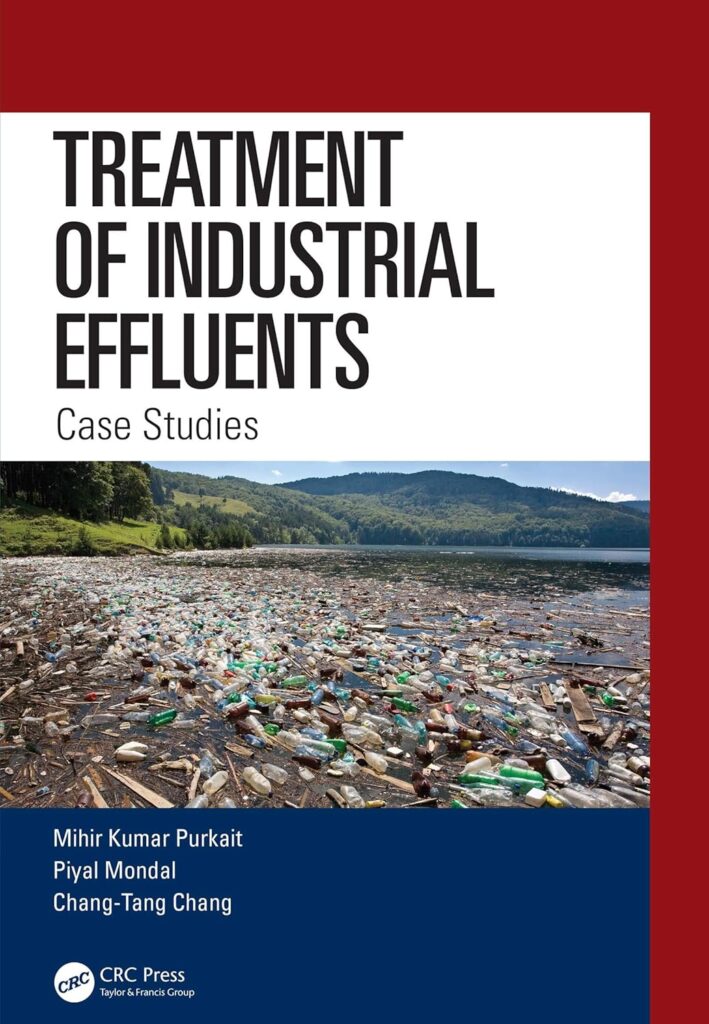
To address the issue of discharge of untreated industrial effluent in the water body causing pollution, adoption of cleaner production technologies and waste minimization initiatives are being encouraged. The book explains each related technology elaborately and critically analyses the same from practical application point of view. In-depth characterization, environmental and health effects and treatment of various industrial effluents are discussed with case studies. Limitations, challenges and remedial actions to be taken are included at the end of each chapter. Chapters are arranged as per specific type of effluents from various industries like textile, tannery/leather plant, and oil refinery.
Why You Need an Effluent Discharge Licence
1. It’s a Legal Requirement
The law is clear: no discharge of effluent from sewage treatment works, industry, or other point sources into the environment is allowed without a valid licence from NEMA.
2. Protects Water Resources
Effluent can contain harmful chemicals, pathogens, and pollutants. Licensing ensures discharges meet standards that protect rivers, lakes, groundwater, and public health.
3. Avoids Penalties and Business Risks
Operating without a licence can result in legal action, fines, or even imprisonment as specified under EMCA and enforced through the Water Quality Regulations.
4. Demonstrates Environmental Responsibility
For investors, communities, and regulatory authorities, licensing shows a commitment to compliance, sustainability, and corporate accountability.
What You Must Consider Before Discharging Effluent
1. Effluent Treatment Facilities
Before discharge, your facility must have appropriate treatment infrastructure (e.g., STP/ETP) to ensure wastewater is treated to acceptable standards.
2. Impact Assessment and Baseline Data
NEMA evaluates potential impacts on affected watercourses, ecosystems, and human settlements before issuing a licence. The Authority also seeks comments from local authorities and stakeholders as part of the decision process.
3. Legal Standards and Guidelines
All effluent must comply with the standards specified in the Water Quality Regulations’ Third Schedule (which outlines maximum permissible limits for pollutants and parameters). These standards are designed to prevent water pollution and protect aquatic environments.
4. Proper Monitoring and Record-Keeping
Once licensed, the discharge quality and quantity must be monitored according to procedures set by NEMA. Clear records are essential for compliance inspections and reporting.
5. Compliance With Other Regulations
Activities near water bodies may also require Environmental Impact Assessment (EIA) licences, especially if they affect lakes, rivers, streams, springs, or wells.
Effluent Discharge Monitoring & Water Analysis Requirements
Frequency of Monitoring
Under the Water Quality Regulations, a licensed discharger must undertake effluent discharge quality and quantity monitoring in accordance with prescribed sampling and analysis procedures and submit monitoring records to the Authority at least every six months (or as prescribed).
Many facilities choose to conduct monthly or quarterly sampling as a best practice to proactively manage compliance and pre-empt issues.
What to Analyse
Although the Water Quality Regulations don’t list every specific parameter in the effluent licence section, effluent monitoring typically includes:
• pH levels
• Biochemical Oxygen Demand (BOD)
• Chemical Oxygen Demand (COD)
• Total Suspended Solids (TSS)
• Oils and Grease
• Heavy metals and other pollutants
These parameters ensure effluent complies with national environmental standards and protects downstream water use.
Accredited Testing
Sampling must be analysed through a NEMA-accredited laboratory to ensure credibility and accuracy of results.
How to Apply and Stay Compliant
The process is straightforward but requires attention to detail:
- Submit Form A (Seventh Schedule) to NEMA with supporting documents and fees (Eleventh Schedule).
- Ensure your treatment systems meet standards (e.g., Third Schedule for environmental discharges).
- Monitor and report using Sixth Schedule forms, submitting every six months.
- Renew as needed to avoid lapses.
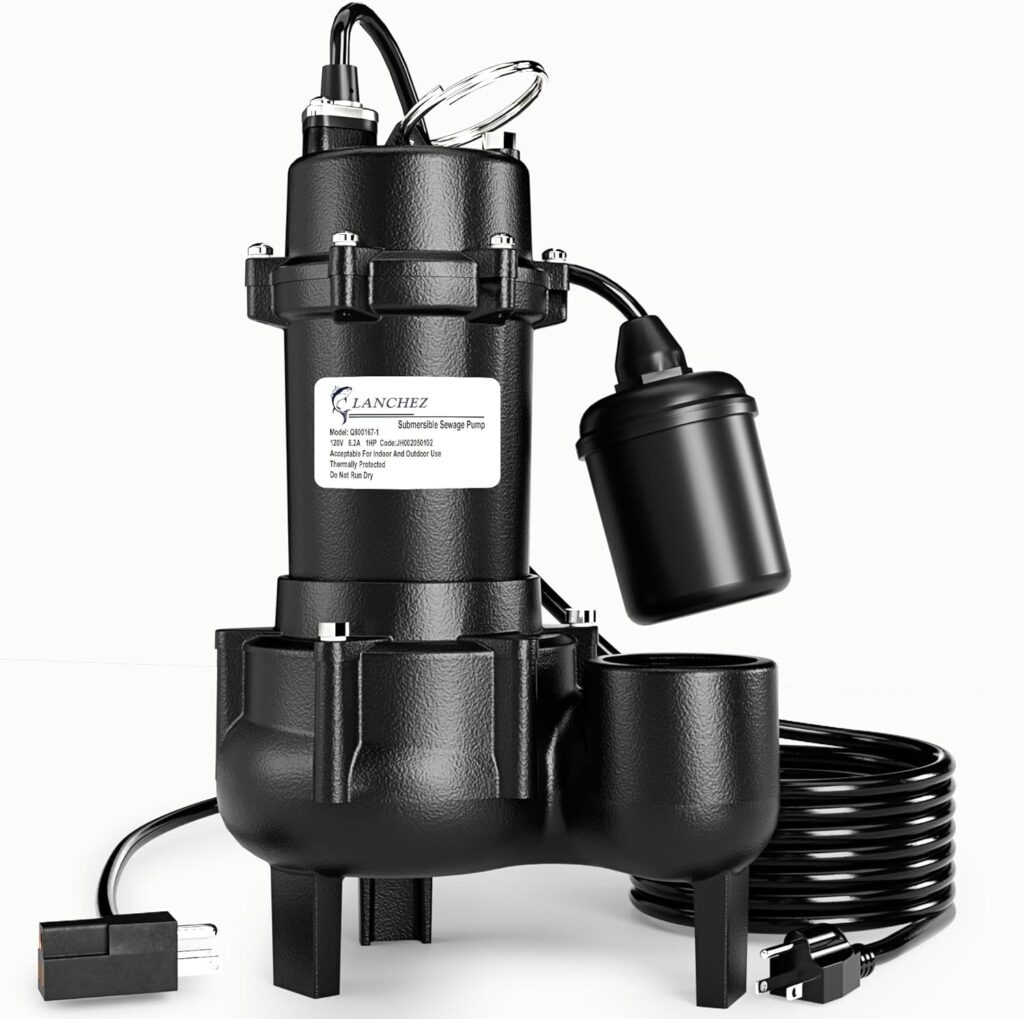
As a consultant, I recommend conducting an internal audit first. Tools like water quality testing and EIA reports can strengthen your application.
Final Thoughts: Prioritize Compliance for a Sustainable Future
Effluent discharge licenses aren’t just red tape—they’re a commitment to Kenya’s environmental health. With climate change amplifying water scarcity, compliant practices protect ecosystems and your business reputation. If you’re unsure where to start, reach out to a professional consultant like myself for tailored guidance. Remember, prevention is always cheaper than penalties.
For the latest updates, check NEMA’s website or Kenya Law Reports, as regulations can evolve. Stay green, stay compliant!
Disclaimer: This post is for informational purposes only and not legal advice. Consult official sources or a qualified expert for your specific situation.
Effluent Discharge Licence (EDL) Compliance Checklist – Kenya
For facilities regulated under EMCA (CAP 387) and the Environmental Management and Coordination (Water Quality) Regulations
1. Applicability Check
☐ Does your facility generate wastewater or industrial effluent?
☐ Is effluent discharged to land, surface water, groundwater, or a sewer system?
☐ Is the discharge from a trade, industrial, commercial, institutional, or residential undertaking?
If YES to any of the above → an Effluent Discharge Licence (EDL) is required.
2. Pre‑Application Readiness
☐ Effluent/sewage treatment plant (ETP/STP) installed and operational
☐ Treatment system capacity matches wastewater volumes
☐ Treated effluent can meet national discharge standards
☐ Discharge point clearly identified and accessible
☐ No untreated effluent is discharged to the environment
3. Legal & Regulatory Compliance
☐ Compliance with EMCA (CAP 387)
☐ Compliance with the Water Quality Regulations
☐ Compliance with other applicable licences (EIA licence, waste handling approvals, abstraction permits where applicable)
☐ Awareness that discharge without a licence is an offence
4. Effluent Quality Standards
☐ Effluent meets prescribed limits for:
- pH
- Biochemical Oxygen Demand (BOD)
- Chemical Oxygen Demand (COD)
- Total Suspended Solids (TSS)
- Oils and Grease
- Nutrients (where applicable)
- Heavy metals (if applicable)
☐ Discharge does not pollute or degrade receiving environment
5. Sampling & Water Analysis
☐ Sampling conducted using approved procedures
☐ Analysis done by a NEMA‑accredited laboratory
☐ Key parameters analysed based on facility operations
☐ Baseline water quality data available
Recommended Frequency:
☐ Monthly or quarterly internal monitoring (best practice)
☐ Mandatory reporting at least once every six (6) months
6. Monitoring & Record Keeping
☐ Effluent discharge quality records maintained
☐ Effluent discharge quantity records maintained
☐ Laboratory reports properly filed
☐ Calibration records for monitoring equipment available
☐ Records kept for inspection and audits
7. Licence Application & Management
☐ Effluent Discharge Licence application submitted to NEMA
☐ Prescribed fees paid
☐ Licence conditions reviewed and understood
☐ Licence displayed or kept on site
☐ Licence validity period tracked
☐ Licence renewed before expiry
8. Reporting Obligations
☐ Monitoring records submitted to NEMA as required
☐ Any exceedances reported and corrective action taken
☐ Operational changes communicated to NEMA
9. Environmental Risk Management
☐ Emergency response measures in place for spills or system failure
☐ Preventive maintenance schedule for treatment systems
☐ Staff trained on wastewater and effluent management
☐ Community and downstream users protected from pollution risks
10. Compliance Verification
☐ Internal compliance audits conducted
☐ Ready for NEMA inspections at all times
☐ Non‑compliances addressed promptly
✔ Final Compliance Test
If ALL boxes above are checked → your facility is aligned with Effluent Discharge Licence requirements in Kenya.
Environmental compliance is not just about licences, it is about protecting water resources, public health, and business continuity.
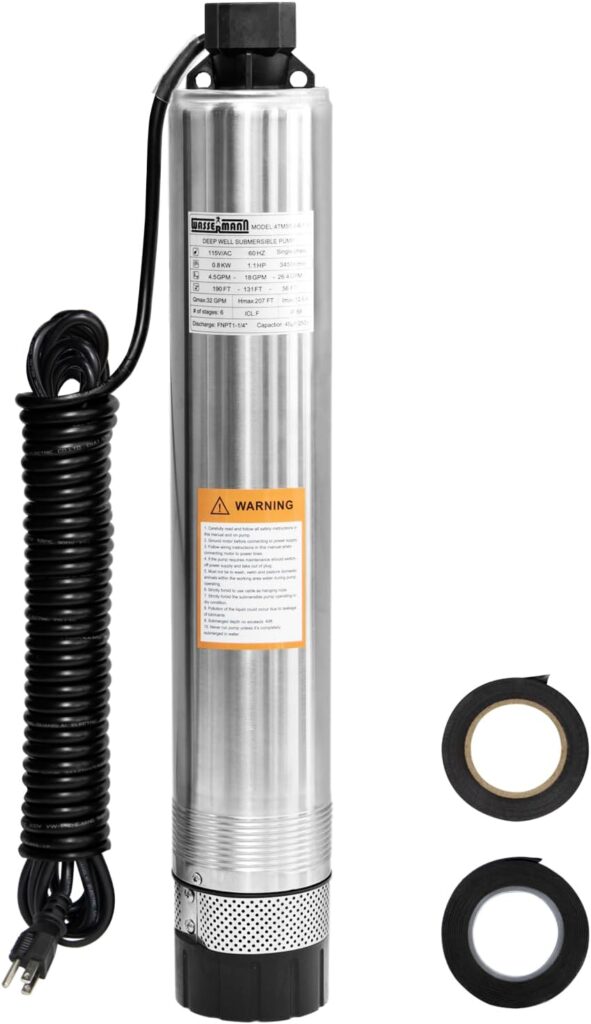
WASSERMANN 4″ Effluent/Cistern Bottom Suction Pump with 33FT Cable,1HP,115V/60HZ,32GPM,207FT Head,Stainless Steel Deep Well Submersible Pump for Septic Tank Home and Industrial Agricultural