If you’re someone who values independence above all else, who feels a deep, almost physical unease at the prospect of relying on someone or being relied on too heavily, this is for you. You might feel most comfortable in relationships when there’s a clear exit strategy, or find that deep intimacy triggers a powerful urge to retreat, find flaws in your partner, or simply feel… nothing. You’re not cold, broken, or destined to be alone. You likely have an avoidant attachment style, a survival strategy forged early in life to protect your heart.
Healing isn’t about becoming needy or losing your cherished self-sufficiency. It’s about expanding your capacity for connection while honoring your need for safety. It’s about learning that vulnerability isn’t weakness, but the very ground upon which real intimacy is built. The following five books are gentle, insightful companions for this journey. They offer no shame, just clarity, science, and practical steps to help you understand your patterns and build more secure, satisfying relationships. Find more books to read or add to your to read list here.
Table of Contents
5 Books for Those with Avoidant Attachment Style
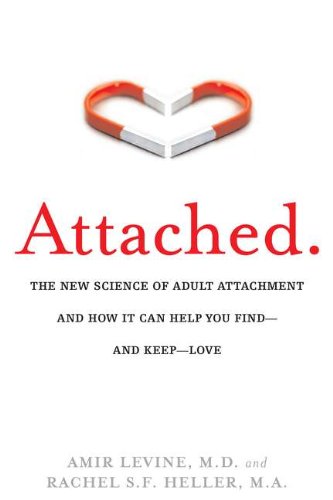
1. Attached: The New Science of Adult Attachment and How It Can Help You Find and Keep Love by Amir Levine, M.D. and Rachel Heller, M.A.
This book is the essential starting point. Think of it as your user manual for understanding why you act the way you do in relationships. Levine and Heller translate decades of attachment research into a clear, accessible framework, identifying three styles: Secure, Anxious, and Avoidant.
Why It’s a Game-Changer:
For the avoidant person, this book provides the liberating “aha!” moment. It explains your instinct to deactivate; to pull away, criticize, or emotionally shut down when things get too close, not as a character flaw, but as a predictable, wired response to perceived threats to your autonomy. It normalizes your experience while illuminating how this very strategy sabotages the closeness you might secretly crave. Knowledge is power, and this book hands you the power of self-recognition.
What Makes It Unique:
It’s incredibly practical. Beyond the “why,” it gives you the “what now.” It helps you identify your own and others’ attachment styles, provides scripts for communicating needs, and outlines what a truly secure relationship looks and feels like. It demystifies the behaviors of others (especially anxious-preoccupied partners, who often form dynamics with avoidants), turning confusing relationship cycles into a comprehensible map.
A Small Practice from Its Pages:
Practice “Naming the Deactivating Strategy.” When you feel the urge to retreat from your partner—to pick a fight, fantasize about someone else, or shut down—simply pause and name it to yourself: “This is my deactivating strategy kicking in. My nervous system is trying to create distance to feel safe.” This simple act of observation creates a crucial space between impulse and action.
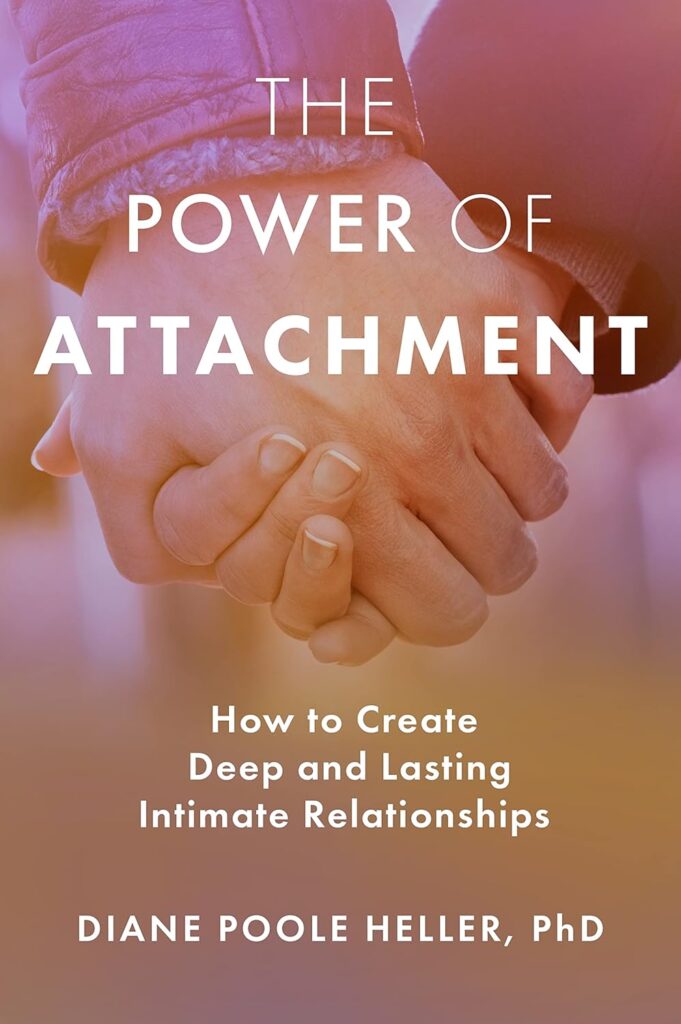
2. The Power of Attachment: How to Create Deep and Lasting Intimate Relationships by Diane Poole Heller, Ph.D.
While Attached gives you the map, The Power of Attachment gives you the tools for repair. Trauma and attachment expert Diane Poole Heller focuses on the healing journey from insecure to earned secure attachment. Her approach is somatic, meaning it works through the body, not just the mind, which is crucial for avoidant types who often intellectualize emotions.
Why It’s a Game-Changer:
Avoidant attachment isn’t just a mindset; it’s a physiological state of hyper-independence. Heller teaches you how to re-regulate your nervous system to tolerate and even welcome closeness. She provides specific exercises to help you identify your “attachment blueprint,” heal core wounds, and practice new, secure bonding behaviors in a gradual, manageable way. This book is a compassionate guide for rewiring your foundational sense of safety in connection.
What Makes It Unique:
Heller’s Somatic Attachment Therapy exercises are its greatest strength. She guides you through practices like “Ruach Breathing” for co-regulation and “The Corrective Experience” to reshape implicit memory. For someone who may feel disconnected from their body and emotions, these guided steps offer a safe, structured way back in, helping you build what she calls a “secure base” within yourself first.
A Small Practice from Its Pages:
Try the “Resource Anchor” Exercise. Identify a memory, person, or place that makes you feel calm, strong, and independent in a healthy way (e.g., hiking a mountain, a moment of professional competence). When you feel relationship anxiety rising, close your eyes and vividly imagine that resource. Feel the associated sensations of strength and calm in your body. This builds your capacity to self-soothe, reducing the knee-jerk need to flee.
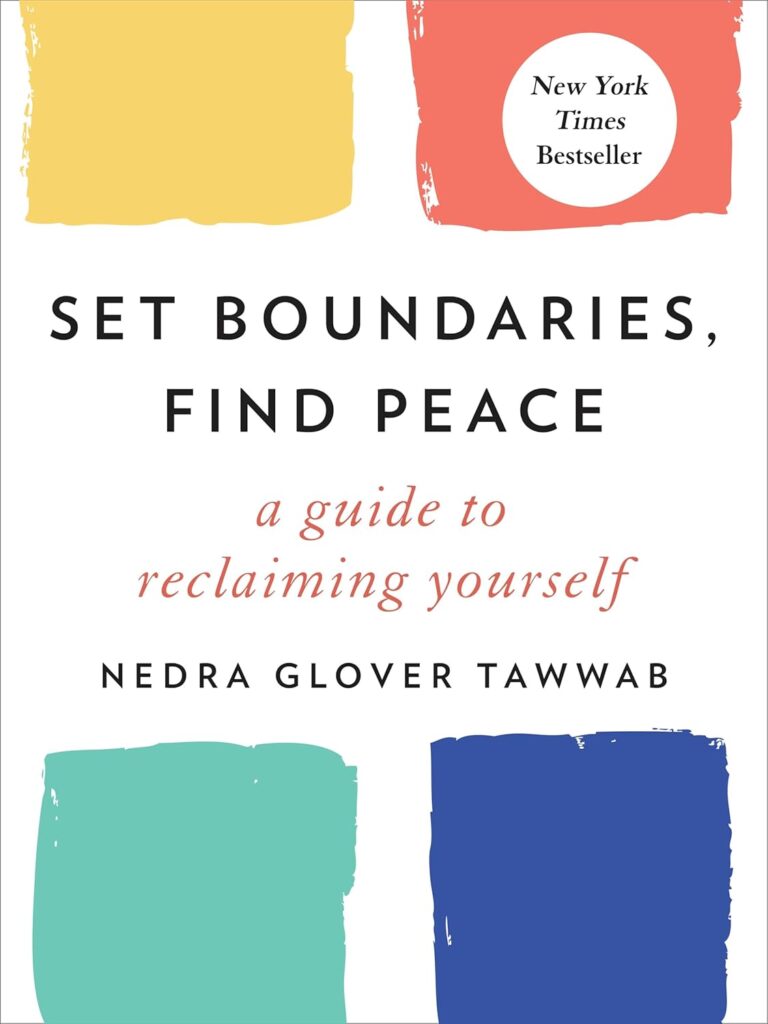
3. Set Boundaries, Find Peace: A Guide to Reclaiming Yourself by Nedra Glover Tawwab
A common misconception is that avoidant people have great boundaries. In reality, they often have walls, not boundaries. Walls are rigid, keep everyone out, and are built from fear. Healthy boundaries are flexible, communicative, and built from self-respect. This book by therapist Nedra Glover Tawwab is the ultimate manual for learning the difference.
Why It’s a Game-Changer:
For the avoidant person, learning to set clear, kind boundaries is the key to feeling safe enough to engage. Without this skill, intimacy feels like a total dissolution of the self, a terrifying prospect. Tawwab teaches you how to articulate your needs and limits (e.g., “I need an hour to myself after work to recharge before we connect”) in a way that preserves relationships rather than sabotaging them. This skill directly addresses the core fear of being engulfed or consumed.
What Makes It Unique:
It’s relentlessly practical. The book is filled with specific scripts for hundreds of scenarios; with family, partners, friends, and at work. It transforms the abstract concept of “boundaries” into actionable communication. It empowers you to say “no” to what drains you so you can more freely say “yes” to what nourishes you, creating a structured container where intimacy can safely grow.
A Small Practice from Its Pages:
Start with a “Micro-Boundary.” Identify one small, low-stakes situation where you often feel resentful or drained (e.g., a colleague dumping extra work on you, a friend who vents endlessly). Draft a clear, polite sentence to address it. Practice it. This builds the muscle for expressing needs without the apocalyptic fear that the relationship will end if you do.
4. How to Be Alone: The School of Life by The School of Life
This is a profound reframe of the avoidant strength. From the philosophical minds at The School of Life, this book isn’t about curing loneliness in the conventional sense. It’s about cultivating a rich, secure, and peaceful relationship with yourself, which is the absolute prerequisite for healthy connection with others.
Why It’s a Game-Changer:
Avoidants often excel at being alone, but it can be a lonely, defended kind of solitude. This book teaches you to transform solitude from a default retreat into a chosen, nourishing practice. It argues that the ability to be contentedly alone is the mark of a mature individual and actually makes you a better, more present partner. It validates your independence while guiding you to deepen it into true self-intimacy.
What Makes It Unique:
Its philosophical and cultural approach is refreshing. It uses art, literature, and history to explore solitude, normalizing the desire for it and separating it from pathology. For the avoidant reader who may be tired of clinical language, this book offers a dignified, even poetic, perspective on their core trait, helping them reframe it as a potential strength to be honed, not just a wound to be healed.
A Small Practice from Its Pages:
Engage in a “Curious Solo Date.” Once a week, plan an activity to do completely alone; visit a museum, see a movie, have dinner at a nice restaurant. The goal is not to distract yourself, but to actively enjoy your own company. Observe your thoughts and sensations without judgment. This practice builds a positive, intentional association with being alone, reducing its role as a mere escape hatch.
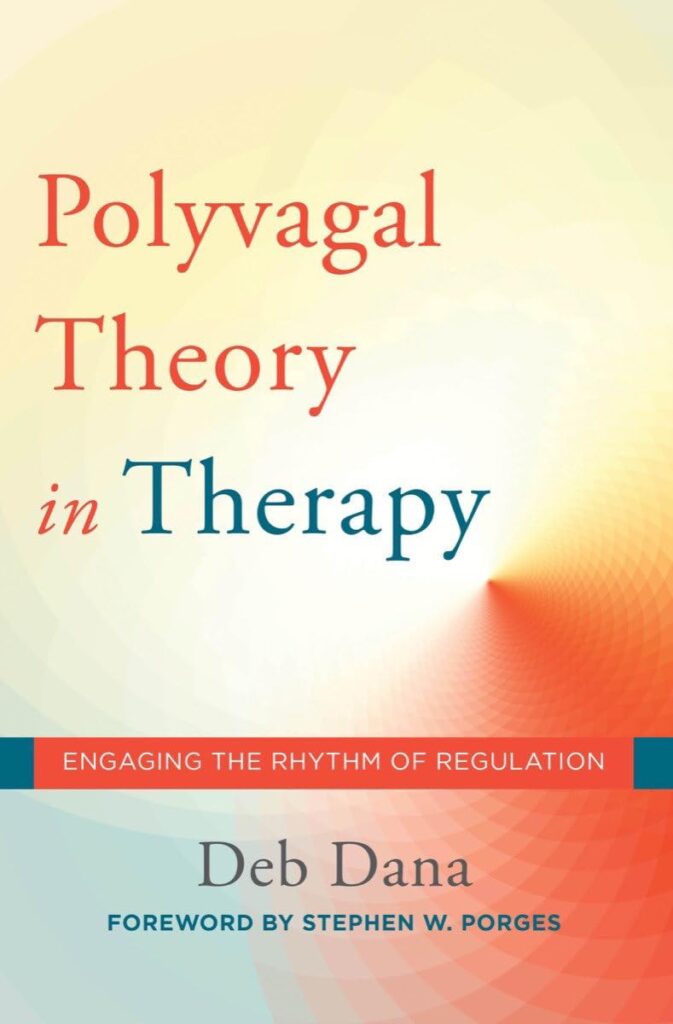
5. Polyvagal Theory in Therapy: Engaging the Rhythm of Regulation by Deb Dana, LCSW
This is the advanced, neuro-scientific pillar of healing. Deb Dana translates Stephen Porges’s Polyvagal Theory for clinical practice. In essence, it explains how our autonomic nervous system shapes our experiences of safety, danger, and connection. For avoidants, whose systems are often primed to detect threat in closeness, this knowledge is transformative.
Why It’s a Game-Changer:
It moves the work from “what’s wrong with my personality?” to “what’s happening in my nervous system?” You learn that your shutdown or withdrawal is a dorsal vagal or sympathetic nervous system state; a biological response, not a moral failing. Dana provides a map to track your own nervous system states and offers “ventral vagal anchors” (practices to consciously return to a state of safety and social engagement). This takes the blame out of the equation and focuses on practical regulation.
What Makes It Unique:
Dana provides her renowned “Mapping Your Nervous System” exercise and other tools to create what she calls a “personal profile.” You learn to identify your unique clues for when you’re moving into a defensive state (the urge to flee or freeze) and build a personalized toolkit to gently guide yourself back to a state where connection feels possible. It is the ultimate empowerment: becoming the expert of your own inner state.
A Small Practice from Its Pages:
Create a “Glimmer List.” Glimmers are the opposite of triggers; small moments that spark a sense of safety, joy, or connection (e.g., the smell of coffee, petting a dog, a specific song). Write down 10 of yours. When you feel yourself beginning to deactivate, consciously seek out a glimmer. This is a science-backed way to manually steer your nervous system toward safety.
The Journey From Autonomy to Authentic Connection
Healing an avoidant attachment style is not about erasing your self-reliance. It’s about building a bridge between your fortress of independence and the welcoming village of human connection. It’s about discovering that you can be both an individual and intimately linked, that you can be strong and soft, that you can need others without being needy.
Start with the book that feels least threatening, perhaps the one on boundaries or being alone. Go slowly. Celebrate small moments of awareness and tiny risks. Your capacity for deep, secure love is not lost; it’s waiting for you to feel safe enough to unlock it. This journey is the bravest kind of independence: the independence to choose connection.