So you finally took the plunge. You’ve got your fresh starter locs and you are obsessed with them. You love the way they look, you’re already mentally planning your loc journey, and then it hits you, wash day is coming. And suddenly you’re spiraling. What if they unravel? What if they come completely undone? What if I basically just… detangle my own locs?
Deep breath. You are not going to ruin your locs. But you do need to approach wash day differently now that you’ve started your journey, and that’s exactly what we’re breaking down today. Every tip, every trick, every product you need, all right here. Catch up on previous posts on natural locs too.
Table of Contents
First, Let’s Talk About Why Starter Locs Unravel in the First Place
Understanding the problem is half the solution, so let’s get into it.
Starter locs whether you started with two-strand twists, coils, braids, or interlocks haven’t locked yet. The hair is still in a very fragile, early stage where it’s essentially just styled into the shape of a loc. The locking process happens over months as the hair cuticle roughens, tangles with itself, and begins to permanently mesh together. Until that happens, your locs are vulnerable.
They unravel because:
The manipulation is too rough. Scrubbing, rubbing, or aggressively massaging your scalp can disturb the coil or twist pattern and cause the hair to slip out of formation.
Product buildup weighs them down. Heavy shampoos or conditioners can loosen the curl/coil pattern, making the hair slippery and prone to unravelling when wet.
They’re not secured before washing. Going into the shower with completely loose starter locs and letting water pummel them freely is a recipe for chaos.
Detangling habits from loose hair. If you’re still in the mindset of running your fingers through your hair or raking product through it, that muscle memory will absolutely unravel your locs.
The good news? All of these are completely avoidable once you know what you’re doing.
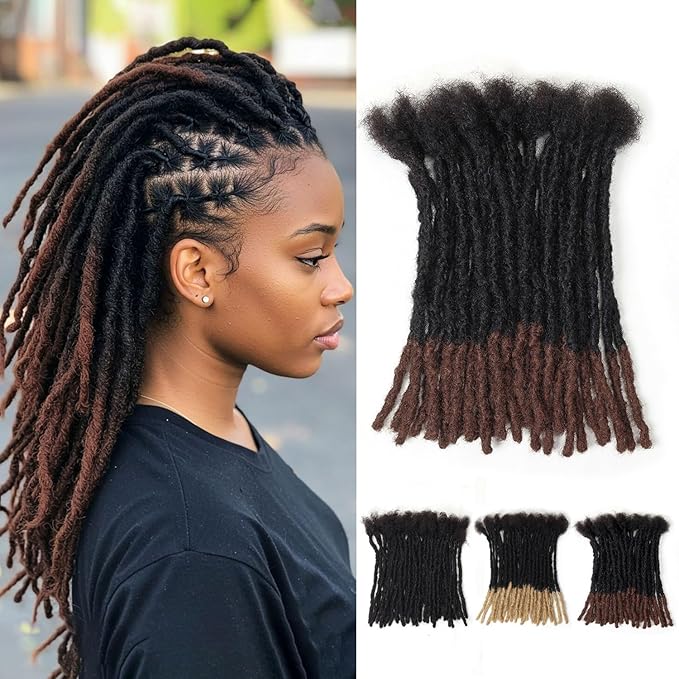
12 inch 40 Stands Loc Extensions Human Hair Interlocking, 0.6cm Width 100% Human Hair Dreadlock Extensions, Soft Human Hair Dreadlock Extensions
When Should You Wash Starter Locs for the First Time?
This is the question everybody asks and gets a different answer to so let’s settle it.
The general recommendation is to wait 2-4 weeks before your first wash. Here’s why: your locs need time to begin the locking process before you introduce water and manipulation. Washing too soon, especially in the first week, dramatically increases the risk of unravelling because the hair has had almost no time to start coiling around itself.
That said, your scalp health matters. If your scalp is oily, itchy, or flaky, waiting a full month isn’t realistic or healthy. In that case, do a scalp-only rinse (more on this below) in the first two weeks rather than a full wash.
The sweet spot for most people: First full wash at 3-4 weeks, then every 2 weeks after that until your locs mature (around 12-18 months, depending on your hair type).
The Must-Have Tools for Wash Day
Before we get into technique, let’s make sure you’re equipped. These items will make your wash day dramatically safer for your starter locs:
A spray bottle — For applying water or diluted shampoo in a controlled way rather than letting shower water blast your locs freely.
Mesh hair net or stocking cap — This is your secret weapon (more on this below). It keeps your locs bundled together during washing and prevents them from rubbing against each other and unravelling.
Microfiber towel — Regular towels are too rough and their looped texture grabs onto and disturbs your locs. A microfiber towel absorbs water gently without friction.
Top Pick: Aquis Microfiber Hair Towel — Lightweight, ultra-absorbent, and gentle enough for even the most delicate starter locs.
Hooded dryer or bonnet dryer attachment — Drying your starter locs completely is non-negotiable. Damp locs that stay wet for hours are more likely to unravel and develop mildew.
Top Pick: Bonnet Hair Dryer Attachment by MESON — Attaches to any standard blow dryer, distributes heat evenly, and is a game changer for drying locs without disturbing them.
Choosing the Right Shampoo for Starter Locs
Not all shampoos are created equal for locs, and for starter locs especially, product choice can make or break your wash day.
What you need:
- Residue-free formula
- No silicones, waxes, or heavy conditioning agents
- Sulfate-free (sulfates strip moisture aggressively and can cause frizz that disrupts the loc pattern)
- Low lather — high-lather shampoos require more rinsing and more manipulation, both of which increase unravelling risk
What to avoid:
- 2-in-1 shampoo-conditioners (the conditioning agents are too heavy and make hair slippery)
- Anything with beeswax, lanolin, or petrolatum
- Creamy, thick shampoos (they don’t rinse clean)
- Clarifying shampoos for your first few washes (too stripping and drying on fragile starter locs, save these for month 3+)
Top Pick: Jamaican Mango & Lime Tingle Shampoo — A holy grail in the loc community. Residue-free, tingling, and specifically formulated with locs in mind.
The Mesh Net Method: Your Best Friend for Starter Locs
Before we walk through the full wash routine, you need to know about the mesh net method because this single technique has saved more starter locs than anything else.
A mesh hair net (the kind used for wigs or worn by lunch ladies yes, really) holds your locs together as a unit while you wash. Instead of individual locs flopping around freely and rubbing against each other or against your hands, the net bundles them so they move together. This dramatically reduces the friction and manipulation that causes unravelling.
Here’s how to use it:
- Twist your locs loosely into sections or just let them hang naturally.
- Pull the mesh net over your entire head before getting in the shower.
- Wash through the mesh, apply diluted shampoo, massage gently, rinse.
- Remove the net after rinsing and gently squeeze (don’t rub) excess water out.
It sounds too simple to be this effective, but the loc community swears by it. Try it once and you’ll never wash starter locs without one again.
Top Pick: Soft Mesh Hair Net Multi-Pack by Conair — Cheap, widely available, and the perfect tool for washing starter locs safely.
Step-by-Step: How to Wash Starter Locs Without Unravelling
Okay, here is your complete wash day routine, start to finish.
Step 1: Pre-Wash Scalp Treatment
Before you even turn on the shower, take 10 minutes to oil your scalp with a lightweight oil like jojoba or peppermint-infused oil. This helps loosen any buildup at the roots and protects your scalp during washing. It also makes the rinse process easier because buildup slides off more readily.
Work the oil in with your fingertips using small, circular motions directly on your scalp not on the locs themselves. You’re massaging the scalp, not the hair.
Step 2: Dilute Your Shampoo
Do not apply undiluted shampoo directly to your locs. This concentrates the product, requires more scrubbing to distribute it, and is harder to rinse out. Instead, dilute your shampoo in a spray bottle or applicator bottle, about 1 part shampoo to 3-4 parts water and apply it that way. This lets you target your scalp and work the product in gently without aggressive manipulation.
Step 3: Put On Your Mesh Net
Before getting into the shower, put on your mesh net. If your locs are very long, you can gently gather them at the nape of your neck first and then net them together.
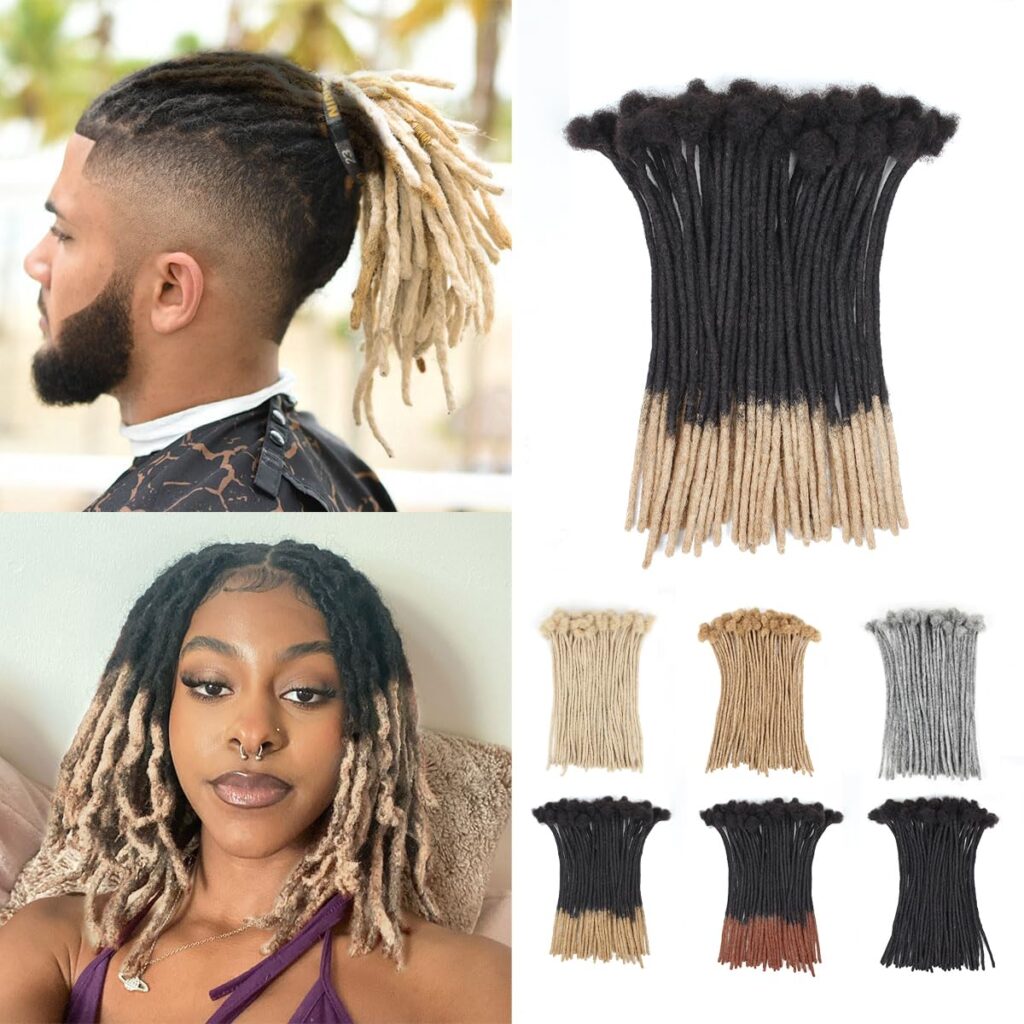
Vecago 12 inch 50 Strands Loc Extensions Human Hair, 0.4cm Width 100% Human Hair Dreadlock Extensions for Men/Women, Can be Dyed Soft Dreads Extensions
Step 4: Rinse With Lukewarm Water First
Turn your shower to lukewarm not hot. Hot water opens the hair cuticle aggressively and can cause your loc pattern to loosen. Lukewarm is the sweet spot. Let the water run over your locs for about a minute before applying any shampoo. This saturates them evenly.
Let water flow over your locs, never stick your entire head under a high-pressure shower head and let it blast your starter locs. Either use your shower on a low pressure setting, a detachable showerhead, or cup the water in your hands and pour it gently.
Step 5: Apply Diluted Shampoo to Your Scalp
Using your applicator bottle, apply the diluted shampoo directly to your scalp in sections. Part your locs gently to access the scalp. You’re targeting the scalp here, not scrubbing the locs themselves. The shampoo will run down the locs as you rinse and clean them in the process.
Step 6: Massage Your Scalp With Your Fingertips
This is where most people go wrong. Use the pads of your fingertips never your nails, never your full palm in a circular scrubbing motion to gently massage your scalp in small, straight up-and-down or side-to-side movements. This dislodges product and sebum without disturbing the loc pattern. Think pressing and lifting, not rubbing.
What not to do: Do not rub your locs against each other. Do not scrunch them up like you’re washing a ball of laundry. Do not rake your fingers through them. These habits from washing loose natural hair will devastate your starter locs.
Step 7: Rinse Thoroughly
Rinse for longer than you think you need to. Seriously. Product left in your locs is build-up waiting to happen, and in starter locs it can also weigh them down and loosen the pattern over time. Rinse until the water running off your locs runs completely clear. Then rinse for another 30 seconds.
Keep the water pressure gentle and let it run down your locs naturally rather than flipping your head around and manipulating them under the water.
Step 8: Skip the Conditioner
This is controversial but hear me out. Traditional conditioners are designed to soften the hair cuticle and reduce tangling which is exactly what you don’t want when you’re trying to get your locs to tangle and lock. Conditioners in starter locs make the hair slippery, loosen your coil or twist pattern, and seriously slow down the locking process.
If your hair feels very dry after washing, opt for a very light leave-in spray (water-based, no heavy creams) rather than a rinse-out conditioner. Once your locs are fully mature, you can reintroduce deep conditioning.
Step 9: Gently Squeeze Out Excess Water
Remove your mesh net carefully and then squeeze, not rub, not wring the water out of your locs using your microfiber towel. Start from the roots and gently work your way down. Wrap the towel around your locs and press, then unwrap and let them hang.
Step 10: Re-Twist Any Locs That Slipped
Be honest with yourself here: some locs may have loosened, especially around the edges and nape of your neck. While your locs are still damp, re-twist any that need it. Use the tiniest amount of a light loc gel or locking spray if needed to help them hold.
Step 11: Dry Your Locs Completely
This is the step everyone skips and regrets. Air drying locs, especially starter locs takes much longer than you think, and locs that stay damp are softer, weaker, and more prone to unravelling. They’re also a setup for mildew.
Sit under your hooded or bonnet dryer for at least 30-45 minutes on a medium setting after blotting with your microfiber towel. If you’re air drying, give yourself a full day in a warm environment and resist the urge to touch and manipulate your locs while they’re drying.
What About the Scalp-Only Rinse for the First Two Weeks?
If your scalp genuinely can’t wait for a full wash, here’s how to do a scalp-only rinse safely in the first two weeks:
- Fill a spray bottle with diluted shampoo (1:4 shampoo to water ratio).
- Section your locs and spray directly onto your scalp only, not the locs themselves.
- Massage gently with fingertip pads.
- Rinse very carefully by cupping lukewarm water in your hands and pressing it onto your scalp, or by using a very low-pressure showerhead.
- Dry thoroughly immediately after.
This cleans the scalp without saturating and destabilizing the locs themselves.
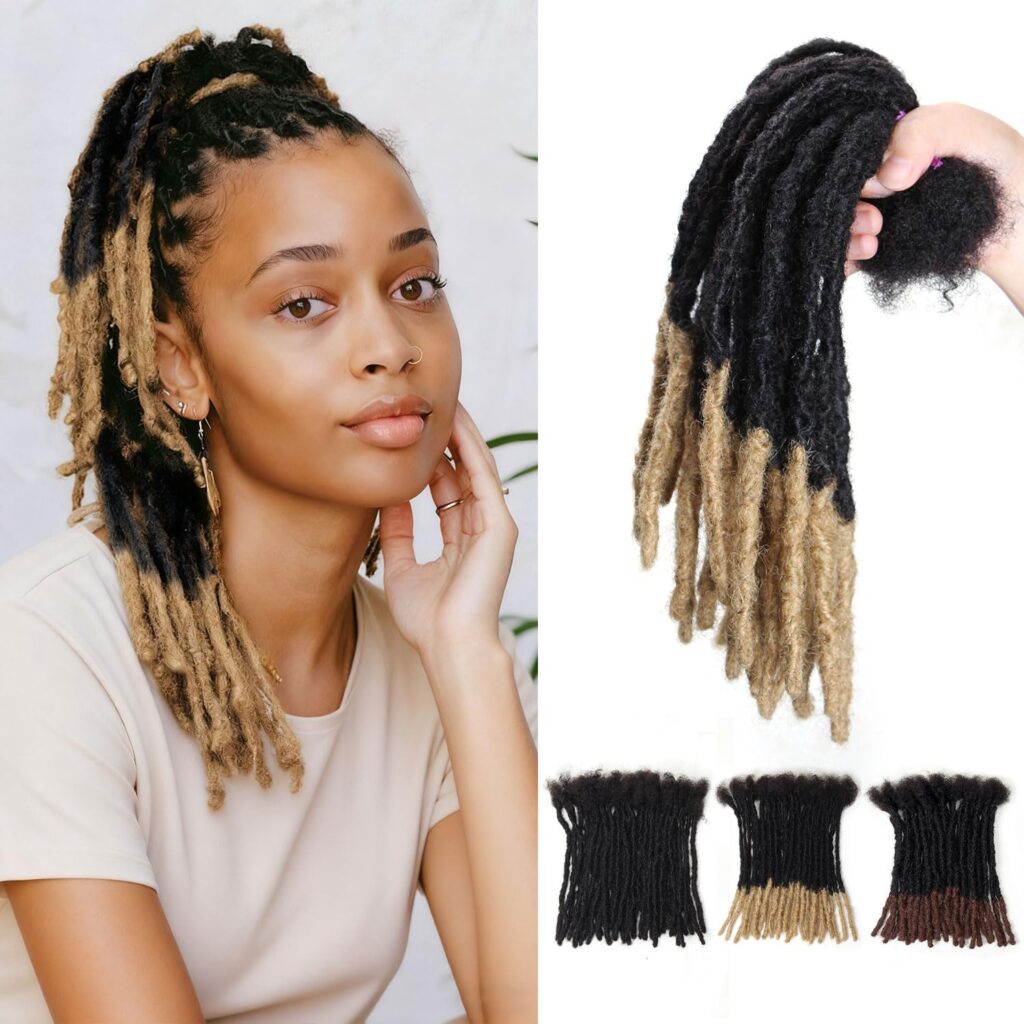
Beauday 10 inch 40 Stands Interlocking Loc Extensions Human Hair, 0.6cm Width 100% Human Hair Dreadlock Extensions
How to Protect Starter Locs Between Washes
What you do between wash days matters just as much as wash day itself.
Tie your locs up at night. Every single night, wrap your locs in a satin or silk scarf or sleep on a satin pillowcase. Cotton pillowcases absorb moisture and create friction that loosens your loc pattern while you sleep. This is one of the most underestimated ways starter locs unravel, not during washing, but during sleeping.
Top Pick: Grace Eleyae Satin-Lined Cap — Stays on all night, lined with 100% satin, and fits all loc lengths. A complete game changer for protecting your loc pattern overnight.
Avoid over-manipulation. We know, they’re new and you want to touch them constantly. Resist. Every time you twist, pull, or run your fingers through your starter locs, you are potentially disrupting the locking process. Hands off as much as possible between retwist appointments.
Keep them dry between washes. Wear a bonnet or plastic cap when in steamy environments. Moisture that your locs absorb randomly throughout the week, not from a proper wash is sneaky and can soften your pattern without you realizing it.
Signs Your Wash Routine Is Working
How do you know you’ve nailed it? Your locs will tell you:
- Little to no unravelling after wash day
- Scalp feels clean and relieved, not stripped or itchy
- Locs feel soft but not slippery or limp
- No white or waxy residue visible on the locs
- Locs are drying with their pattern intact
- You start to notice the hair “budding” little knots forming inside the loc which means locking is happening
Signs You Need to Adjust Your Routine
On the flip side, watch out for:
- Several locs coming completely undone after every wash
- Scalp still itchy or flaky a day after washing (you may need to wash more frequently or use a different shampoo)
- Locs feeling stiff, crunchy, or coated (build-up from your shampoo or re-twisting product)
- Musty smell between washes (locs aren’t drying fully)
- Extreme frizz after every wash (water pressure too high, or product is wrong for your hair type)
Washing starter locs feels terrifying the first time. The second time it’s nerve-wracking. By the fifth time? You’ll be doing it in your sleep. The key things to hold onto from everything we’ve covered: dilute your shampoo, use a mesh net, massage your scalp (not your locs), rinse thoroughly, skip conditioner for now, and dry completely every single time.
Your starter locs are tougher than you think, they just need you to work with them, not against them. Every single wash day that passes without major unravelling is your locs telling you they’re on their way to locking up beautifully. Trust the process, protect your hair, and enjoy the journey.
Those mature locs you’re dreaming about? They’re coming.