If you have ever tried to build, expand, invest, or start a project in Kenya, you have likely come across the term Environmental Impact Assessment, commonly referred to as EIA. For many people, it appears late in the planning process, often when approvals are already delayed or when NEMA becomes involved. At that point, it can feel like an obstacle.
But EIA was never designed to be a barrier. It exists to guide development in a way that protects the environment, communities, and the long-term success of the project itself. Understanding what EIA truly means and when it is required can save project proponents significant time, money, and stress. Find more environment and sustainability content and posts here.
Table of Contents
Understanding Environmental Impact Assessment in Practical Terms
An Environmental Impact Assessment is a systematic process used to evaluate the likely environmental and social effects of a proposed project before it begins. It looks at how a planned activity may interact with land, water, air, biodiversity, infrastructure, and surrounding communities.
In Kenya, EIA is anchored in law under the Environmental Management and Co-ordination Act (EMCA), 1999, which establishes NEMA as the authority responsible for environmental oversight. EMCA makes it clear that projects with the potential to cause significant environmental impacts must be assessed and approved before implementation.
From a practical standpoint, EIA helps answer critical questions early in the project cycle. What environmental risks exist on the site? How might nearby communities be affected? What can be redesigned, relocated, or mitigated before costly mistakes are made?
Why EIA Is a Critical Planning Tool, Not Just a Legal Requirement
One of the biggest misconceptions about EIA is that it exists purely for regulatory compliance. In reality, EIA functions as a risk management and decision-making tool.
Projects that proceed without properly assessing environmental impacts often encounter resistance from communities, operational challenges, environmental damage, or legal action. These issues rarely appear immediately; they emerge later, when correcting them is expensive and disruptive.
An EIA allows project proponents to foresee these risks and address them at the planning stage. It encourages better site selection, improved design, and more sustainable operational practices. In many cases, EIA findings actually improve the economic viability of a project by reducing long-term liabilities.
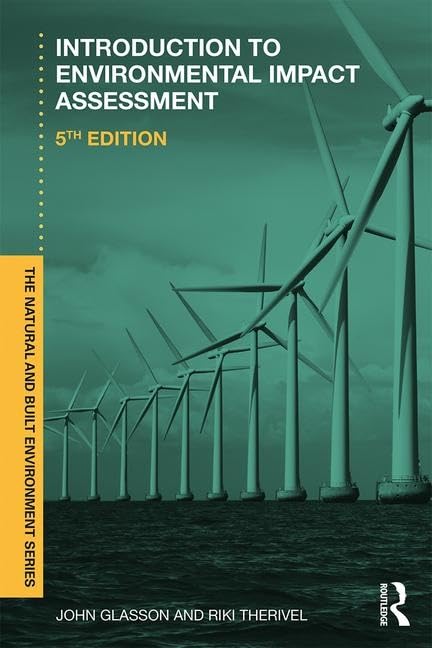
A comprehensive, clearly structured and readable overview of the subject, Introduction to Environmental Impact Assessment has established itself as the leading introduction to EIA worldwide. This fifth edition is a major update reflecting many significant changes in EIA procedures, process, practice and prospects over the last decade.
How the EIA Process Works in Kenya
In Kenya, EIA is not a single document but a structured process conducted by NEMA-registered and licensed EIA experts like myself. The process begins with a clear description of the proposed project, including its location, size, activities, and timelines.
The next step involves studying the existing environmental conditions at the project site. This baseline information is critical because it provides a reference point against which future impacts are measured. Without understanding what exists before development, it becomes impossible to manage change responsibly.
Potential environmental and social impacts are then identified and evaluated. These may include issues such as noise, air emissions, wastewater discharge, waste generation, traffic, land degradation, or displacement of communities. Importantly, the process does not stop at identifying problems. It proposes mitigation measures that reduce or eliminate negative effects.
Public participation is also a key component of EIA in Kenya. Affected communities and stakeholders must be given an opportunity to understand the project and raise concerns. This step is not optional; it is a legal requirement under the Environmental (Impact Assessment and Audit) Regulations, 2003.
At the end of the process, an Environmental Impact Assessment report or Project Report is submitted to NEMA for review. Approval is granted in the form of an EIA License, without which the project cannot legally proceed.
Who Is Required to Undertake an EIA in Kenya?
Kenyan law requires that any project likely to have significant environmental impacts must undergo EIA before implementation. The types of projects that trigger this requirement are outlined in the Second Schedule of EMCA and expanded in the EIA Regulations. In practice, this means that most development projects do require some level of environmental assessment.
Real estate and construction projects are among the most common. Residential apartments, gated estates, commercial buildings, warehouses, and shopping centres all interact directly with land use, infrastructure, waste systems, and neighbouring communities. For this reason, they almost always require EIA approval before construction begins.
Industrial and manufacturing facilities also fall squarely within EIA requirements. Activities such as processing, fabrication, recycling, and large-scale production can generate air emissions, wastewater, noise, and solid waste. These impacts must be assessed and managed through an approved EIA process.
Waste management projects are particularly sensitive. Recycling plants, waste transfer stations, composting facilities, and landfills are closely regulated due to their potential impact on public health and the environment. EIA approval is mandatory for such projects.
Infrastructure and energy developments, including roads, fuel stations, power plants, dams, and water supply systems, also require EIA due to their wide-ranging environmental and social effects. These projects often affect large geographical areas and multiple communities.
Extractive activities such as quarrying, mining, sand harvesting, and stone extraction must undergo EIA because of their impact on land stability, ecosystems, and water resources.
Even agricultural projects are not exempt. Large-scale farming, irrigation schemes, greenhouse developments, and aquaculture projects may require EIA, particularly where water abstraction or chemical use is involved.
Are There Projects That Do Not Require EIA?
Not every activity automatically requires a full EIA study. Some small-scale or low-risk projects may only require an summary project report. However, this determination can only be made by NEMA. Project proponents should never assume exemption based on project size or cost. Proceeding without written confirmation from NEMA exposes the project to enforcement action.
The Importance of Timing: When Should EIA Be Done?
One of the most common compliance mistakes in Kenya is conducting EIA after a project has already started. Under EMCA, EIA must be completed before construction, installation, land clearing, or operation begins. Once physical activities start without an EIA license, the project is already in violation of the law, regardless of whether an application is later submitted.
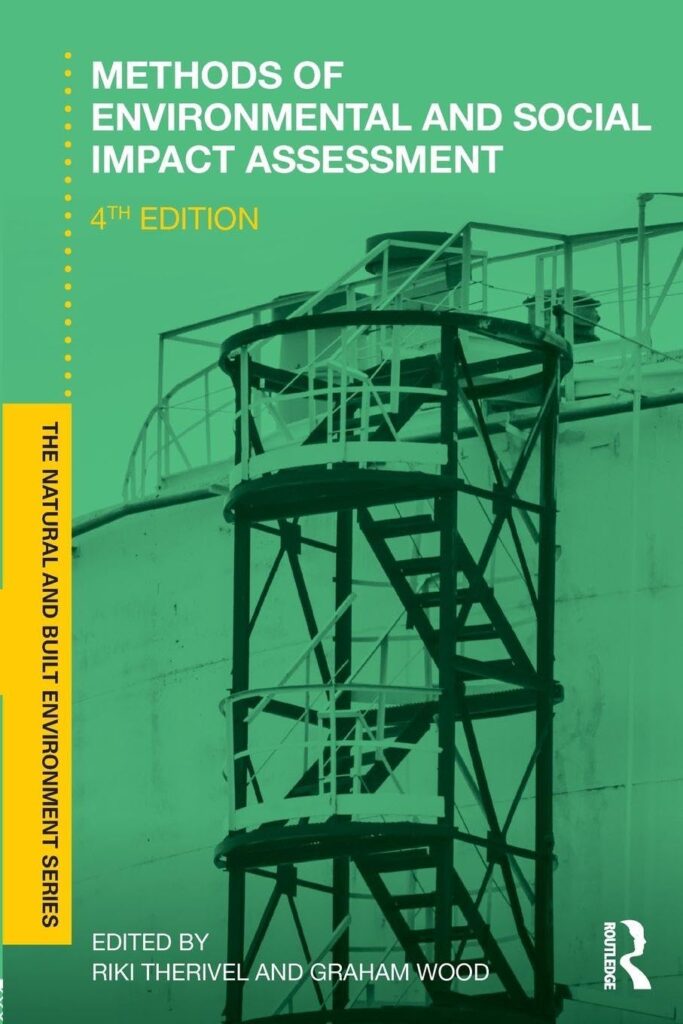
Environmental and social impact assessment (ESIA) is an important and often obligatory part of proposing or launching any development project. Delivering a successful ESIA needs not only an understanding of the theory but also a detailed knowledge of the methods for carrying out the processes required. Riki Therivel and Graham Wood bring together the latest advice on best practice from experienced practitioners to ensure an ESIA is carried out effectively and efficiently.
Consequences of Ignoring EIA Requirements
Failure to comply with EIA requirements can result in project stoppage, fines, legal action, or even demolition of illegal developments. NEMA has the authority to issue improvement notices, restoration orders, and closure directives where environmental laws are breached. Beyond legal penalties, non-compliance often damages reputations and investor confidence, especially for projects seeking financing or partnerships.
Environmental Impact Assessment is a cornerstone of sustainable development in Kenya. It protects natural resources, safeguards communities, and helps investors make informed, responsible decisions. Rather than viewing EIA as a hurdle, project proponents should see it as an essential planning tool that strengthens projects and reduces long-term risks.
If your project interacts with the environment in any meaningful way, EIA is not something to postpone or avoid. It is something to understand and plan for from the very beginning.