Have you ever had the unnerving feeling that you’re living a life based on a script you didn’t write? That the voice in your head narrating your day, the one that says “I’m not the kind of person who…” or “I should be better at…”, might not be your truest voice, but an echo of old expectations, other people’s opinions, and stories you’ve outgrown. The journey to understanding yourself is often clouded by the very mind trying to do the understanding.
This isn’t about quick self-help fixes or positive affirmations that feel like lying to yourself. This is about foundational books that act like gentle, expert guides to your own inner world. They don’t just add a new idea; they offer a new mirror, one that helps you see past the clutter of “shoulds” and anxieties to the more resilient, authentic, and complex person you actually are.
The following five books are profound tools for self-excavation. They’ve helped me and countless others question the labels we wear, befriend the parts we hide, and ultimately, rewrite the story from the inside out. Find more books to read or add to your to read list here.
Table of Contents

5 Epic Books That Will Redefine Who You Think You Are.
1. Self-Compassion: The Proven Power of Being Kind to Yourself by Dr. Kristin Neff
What if the key to changing how you see yourself wasn’t about building higher self-esteem, but about cultivating self-compassion? Dr. Kristin Neff, the pioneering researcher who brought this concept into the scientific mainstream, presents a radical alternative to the brutal self-criticism so many of us mistake for motivation.
Why It’s a Game-Changer:
Self-esteem asks, “Am I good enough?” It’s a fragile, comparative state that rises and falls with success and failure. Self-compassion asks a different question: “Can I be kind to myself in this moment, especially when I fail?” Neff’s research shows that self-compassion leads to greater resilience, motivation, and happiness than self-esteem, without the pitfalls of narcissism or crippling self-doubt. This book teaches you to reparent yourself with kindness.
What Makes It Unique:
This isn’t just theory; it’s a workbook rooted in neuroscience. Neff provides concrete, accessible exercises, like the Self-Compassion Break and writing a letter to yourself from the perspective of a compassionate friend that actively rewire your brain’s habit of self-attack. It transforms self-compassion from a fluffy concept into a trainable skill, changing your fundamental relationship with your own humanity.
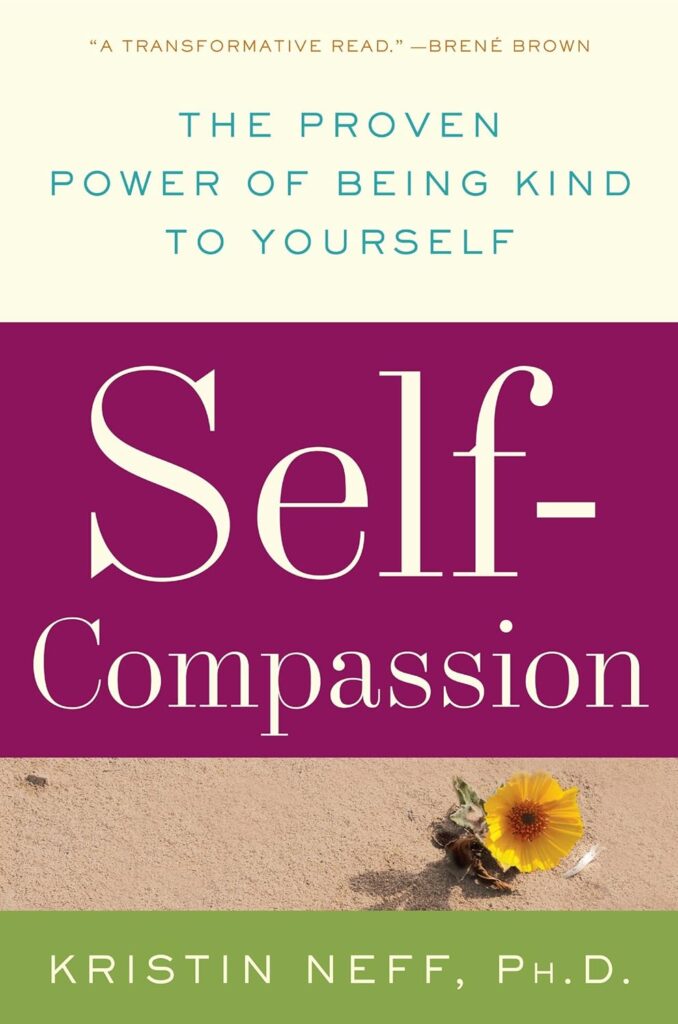
Kristin Neff, Ph.D., says that it’s time to “stop beating yourself up and leave insecurity behind.” Self-Compassion: Stop Beating Yourself Up and Leave Insecurity Behind offers expert advice on how to limit self-criticism and offset its negative effects, enabling you to achieve your highest potential and a more contented, fulfilled life.
More and more, psychologists are turning away from an emphasis on self-esteem and moving toward self-compassion in the treatment of their patients—and Dr. Neff’s extraordinary book offers exercises and action plans for dealing with every emotionally debilitating struggle, be it parenting, weight loss, or any of the numerous trials of everyday living.
A Small Practice from Its Pages:
Try the “Self-Compassion Touch.” When you notice you’re stressed or criticizing yourself, simply place a hand gently over your heart. Feel the warmth and gentle pressure. This simple, physiological gesture triggers your caregiving system, releasing oxytocin and soothing your nervous system. It’s a direct way to tell your body, “I am here for you.”
2. No Bad Parts: Healing Trauma and Restoring Wholeness with Internal Family Systems Therapy by Dr. Richard Schwartz
Prepare to meet yourself in a way you never have before. Dr. Richard Schwartz introduces Internal Family Systems (IFS), a model that proposes our psyche is not a single entity, but a wise, internal system made up of various “parts”, each with its own feelings, roles, and intentions.
Why It’s a Game-Changer:
It banishes the idea that you are “broken” or that difficult emotions (like anger, fear, or shame) are enemies to be eliminated. Instead, IFS teaches you to see that angry part as a protector, that anxious part as a sentry, and that addictive part as a numbing manager, all trying to help, however clumsily, based on old wounds. This transforms inner conflict from a civil war into a family meeting, where you, as the compassionate “Self,” can lead and heal.
What Makes It Unique:
No Bad Parts is a beautifully clear entry into a transformative therapeutic model. It provides a map to your inner world that is both profoundly spiritual and intensely practical. You learn to dialog with your parts, unburden their extreme roles, and restore harmony. It changes self-perception from “I am anxious” to “A part of me feels anxiety, and I can listen to what it needs.”
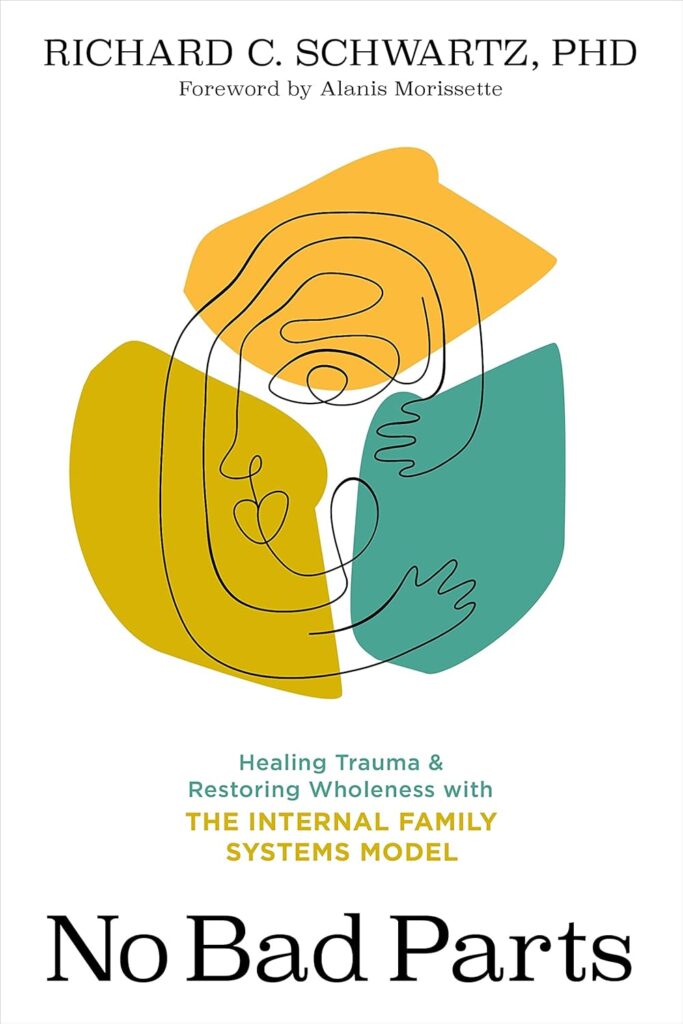
Is there just one “you”? We’ve been taught to believe we have a single identity, and to feel fear or shame when we can’t control the inner voices that don’t match the ideal of who we think we should be. Yet Dr. Richard Schwartz’s research now challenges this “mono-mind” theory. “All of us are born with many sub-minds―or parts,” says Dr. Schwartz. “These parts are not imaginary or symbolic. They are individuals who exist as an internal family within us―and the key to health and happiness is to honor, understand, and love every part.”
Dr. Schwartz’s Internal Family Systems (IFS) model has been transforming psychology for decades. With No Bad Parts, you’ll learn why IFS has been so effective in areas such as trauma recovery, addiction therapy, and depression treatment―and how this new understanding of consciousness has the potential to radically change our lives.
A Small Practice from Its Pages:
Begin with curious, internal listening. When you feel a strong, reactive emotion arise, pause. Instead of judging it, ask inwardly with gentle curiosity: “What is this part feeling? What is it afraid would happen if it didn’t do its job? What does it need from me?” This shift from fusion to observation is the first step toward Self-leadership.
3. The Gifts of Imperfection: Let Go of Who You Think You’re Supposed to Be and Embrace Who You Are by Brené Brown
While Brené Brown is now widely known, The Gifts of Imperfection remains her essential, manifesto-like guide to wholehearted living. It’s a deep, operational guide to shedding the armor of perfectionism, people-pleasing, and comparison that obscures our true selves.
Why It’s a Game-Changer:
Based on thousands of interviews, Brown identifies the core attitudes and practices of people who live with a deep sense of worthiness, not because they’re perfect, but because they practice courage, compassion, and connection. This book names the enemy: shame. And it provides the tools to combat it: vulnerability, setting boundaries, cultivating play and rest, and letting go of exhaustion as a status symbol.
What Makes It Unique:
It’s a slim, potent volume you’ll want to revisit annually. Each “guidepost” (like “Cultivating Authenticity” or “Letting Go of Anxiety as a Lifestyle”) is packed with relatable stories and direct invitations. It doesn’t just describe the destination of self-acceptance; it gives you the 10-point map for the daily journey, changing how you see yourself not as a project to be fixed, but as a person to be embraced.
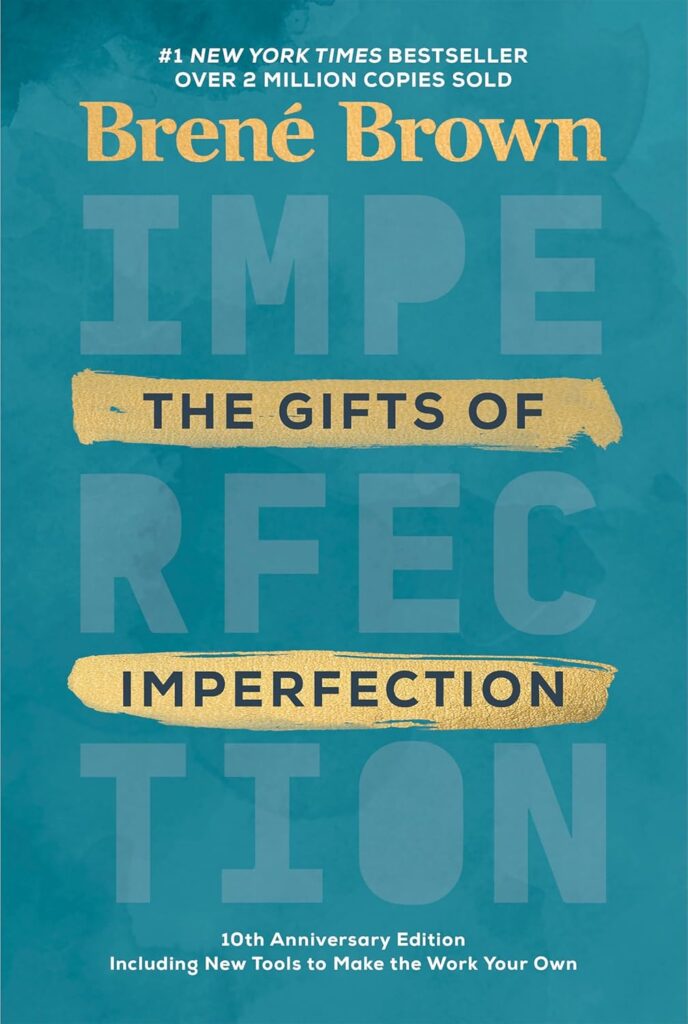
For over a decade, Brené Brown has found a special place in our hearts as a gifted mapmaker and a fellow traveler. She is both a social scientist and a kitchen-table friend whom you can always count on to tell the truth, make you laugh, and, on occasion, cry with you. And what’s now become a movement all started with The Gifts of Imperfection, which has sold more than two million copies in thirty-five different languages across the globe.
What transforms this book from words on a page to effective daily practices are the ten guideposts to wholehearted living. The guideposts not only help us understand the practices that will allow us to change our lives and families, they also walk us through the unattainable and sabotaging expectations that get in the way.
A Small Practice from Its Pages:
Name and Reclaim Your “Shoulds.” Write down a list of “I should be…” statements (e.g., “I should be more productive,” “I should be thinner”). For each one, ask: “Who says? Where did this message come from?” Then, consciously decide if you want to keep it or replace it with a value that feels truly yours, like “I want to be healthy” or “I value presence over productivity.”
4. The Mountain Is You: Transforming Self-Sabotage Into Self-Mastery by Brianna Wiest
This book tackles one of the most frustrating parts of the self: why we consciously want one thing, yet subconsciously work against it. Brianna Wiest frames self-sabotage not as a personal flaw, but as a signal from your inner self that something needs to change.
Why It’s a Game-Changer:
Wiest moves beyond shaming you for your “bad habits.” She posits that self-sabotaging behaviors, procrastination, picking fights, negative self-talk, are often misguided protective mechanisms. They are the “mountain” you face, but that mountain is made of your own unmet needs, unresolved past experiences, and buried emotions. The book teaches you to see your worst habits as the starting point for your deepest healing.
What Makes It Unique:
Its power lies in its reframing. A fear of commitment isn’t just “cold feet”; it might be a part of you protecting your independence. Chronic lateness isn’t just disrespect; it might be a rebellion against a life that feels too controlled. By deciphering the code of your own sabotage, you stop fighting yourself and start understanding yourself, which is the first step toward true self-mastery.
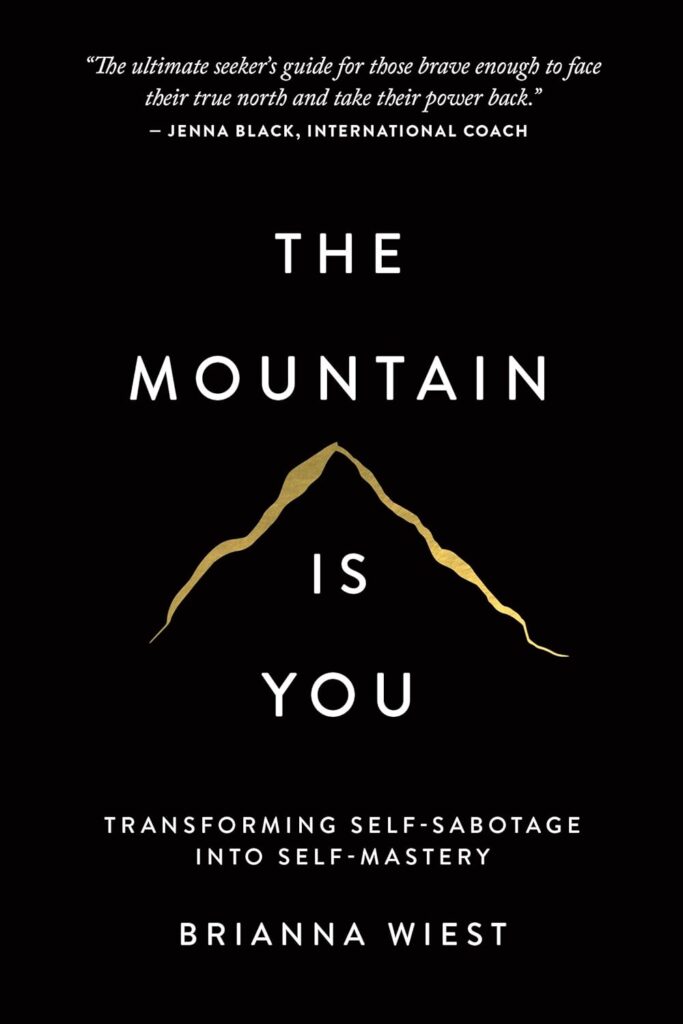
This book is about self-sabotage. Why we do it, when we do it, and how to stop doing it?for good. Coexisting but conflicting needs create self-sabotaging behaviors. This is why we resist efforts to change, often until they feel completely futile. But by extracting crucial insight from our most damaging habits, building emotional intelligence by better understanding our brains and bodies, releasing past experiences at a cellular level, and learning to act as our highest potential future selves, we can step out of our own way and into our potential.
A Small Practice from Its Pages:
Practice “The Benevolent Inquiry.” When you catch yourself in a self-sabotaging act, don’t berate yourself. Instead, ask with genuine curiosity: “What was this behavior trying to do for me? Was it trying to give me rest, protect me from failure, or assert a boundary I haven’t voiced?” Listen for the answer. The behavior is the symptom; this inquiry finds the cause.
5. The Untethered Soul: The Journey Beyond Yourself by Michael A. Singer
For a perspective shift that transcends psychology and touches the spiritual, this modern classic is unparalleled. Michael A. Singer asks the most fundamental question: Who is the “you” that is observing your thoughts, feelings, and experiences?
Why It’s a Game-Changer:
Singer offers a direct, accessible path to dis-identifying from the constant, chatty “inner roommate” of your mind. He guides you to see that you are not your thoughts or emotions; you are the conscious awareness witnessing them. This simple but profound distinction is the key to ending internal drama and experiencing a sense of peace and self that is unshakable by external circumstances.
What Makes It Unique:
The book uses elegant metaphors, like imagining yourself as the sky, and your thoughts as passing weather, to convey deep non-dualistic teachings. It provides practical advice for “not clinging” to energy as it moves through you, allowing you to live with an open heart. It changes your self-perception from being a small, buffeted character in a story to being the vast, calm space in which the entire story unfolds.
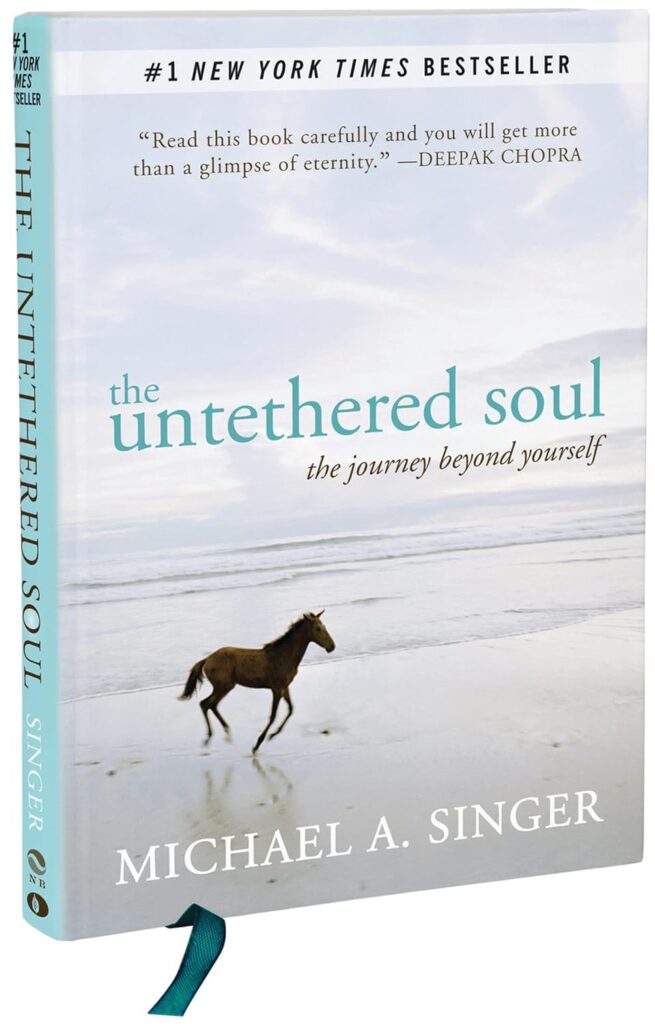
If you’ve ever wondered what it would it be like to free yourself from limitations, soar beyond your boundaries, and discover true inner peace and serenity, The Untethered Soul can show you the way. Whether this is your first exploration of inner space, or you’ve devoted your life to the inward journey, this book will transform your relationship with yourself and the world around you.
A Small Practice from Its Pages:
Try “The Witness Exercise.” For five minutes, sit quietly and simply observe your thoughts. Don’t engage, judge, or follow them. Just notice them as if they are cars driving past your window. Label them softly: “thinking,” “worrying,” “remembering.” This creates a tiny but powerful gap between you and your mental content, revealing the tranquil observer beneath.
The Most Important Relationship You’ll Ever Have.
Changing the way you see yourself is the work of a lifetime, but it begins with a single, compassionate insight. It starts when you trade judgment for curiosity, war for integration, and old stories for present-moment awareness.
Pick up the book that calls to you, perhaps the one that addresses the struggle you’re facing right now. Read it not to “fix” yourself, but to meet yourself. The goal isn’t to become someone new, but to uncover who you’ve been all along, beneath the layers of conditioning and noise.
You are not a problem to be solved. You are a universe to be explored.