Do you ever feel like life is a blur of notifications, deadlines, and to-do lists? You rush through your days, only to collapse into bed at night, wondering where the time went and why you feel so drained, even when you’re “productive.” You crave calm, space, and depth. You dream of a life that feels like a deep, nourishing breath, not a frantic sprint
This, my friend, is your soul whispering for slow living. It’s not about doing everything at a snail’s pace or moving to a remote cabin (unless you want to!). It’s a conscious choice to align your daily rhythm with your deepest values, to savor the present, and to find profound richness in simplicity.
To walk this path, we need guides; not rigid rulebooks, but wise, gentle companions. The following five books are my curated selection of epic, insightful, and often lesser-known works that don’t just describe slow living; they help you feel it, think it, and weave it into the fabric of your modern life. Find more books to read or add to your to read list here.
Table of Contents
5 Epic Books to Help you Embrace Slow Living
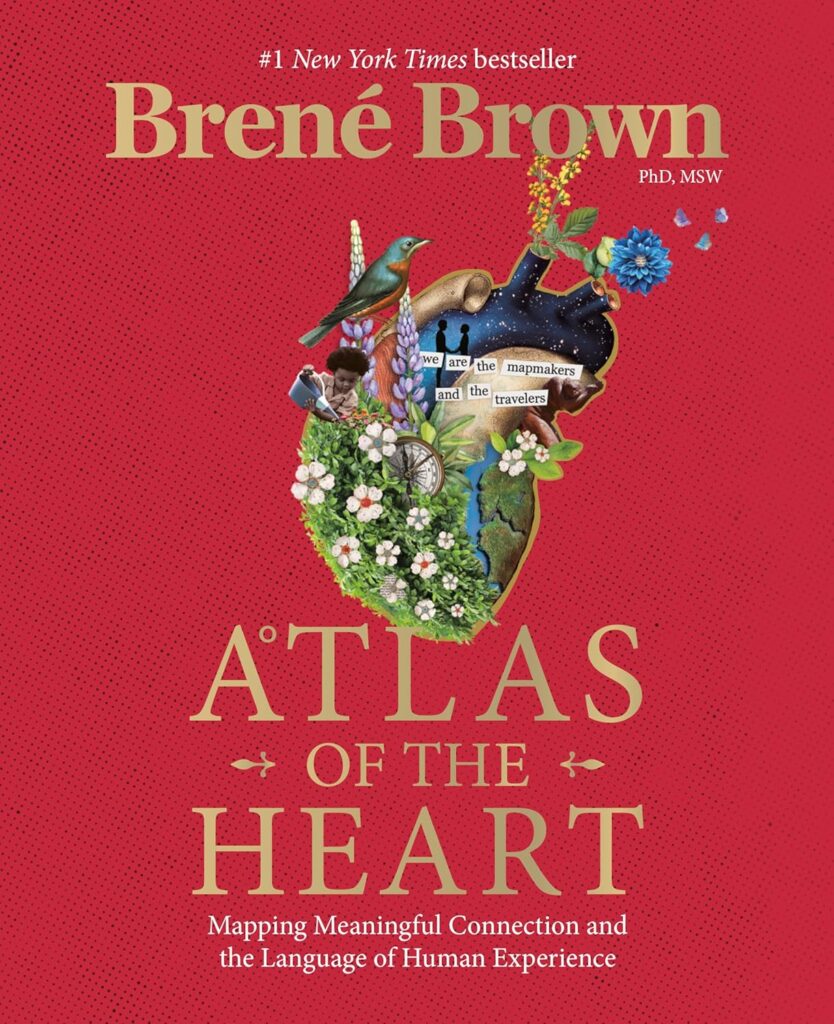
1. Atlas of the Heart: Mapping Meaningful Connection and the Language of Human Experience by Brené Brown
Wait, a Brené Brown book on slow living? Absolutely. The frantic pace of modern life often comes from numbing our feelings and staying in constant motion to avoid discomfort. True slow living requires emotional clarity. In this stunning book, Brown acts as a cartographer for our inner world, giving us the precise language for 87 emotions and experiences.
Why It’s a Game-Changer:
Speed is often a distraction. We scroll, binge, and busy ourselves to avoid feeling lost, envious, anxious, or vulnerable. Atlas of the Heart forces a beautiful, necessary pause. By learning to accurately identify what we’re truly feeling (“Is this stress, or is it overwhelm?”), we can address our needs with intention instead of reacting with frantic activity. Slowing down starts with understanding what’s happening inside.
What Makes It Unique:
This isn’t a fluffy feelings book. It’s a rigorous, beautifully illustrated reference for becoming fluent in the language of your own heart. This fluency is the foundation of mindful, intentional living. When you can name it, you can sit with it, process it, and choose a response aligned with your values, the essence of a slow, conscious life.
A Small Practice from Its Pages:
Practice “Placing Your Emotion on the Map.” Next time you feel a rush of unease or hurry, stop. Ask: “What is the precise name for this feeling?” (e.g., “This is anticipation mixed with anxiety.”). Simply naming it creates a moment of pause between the stimulus and your reaction. This tiny gap is where slow living begins.
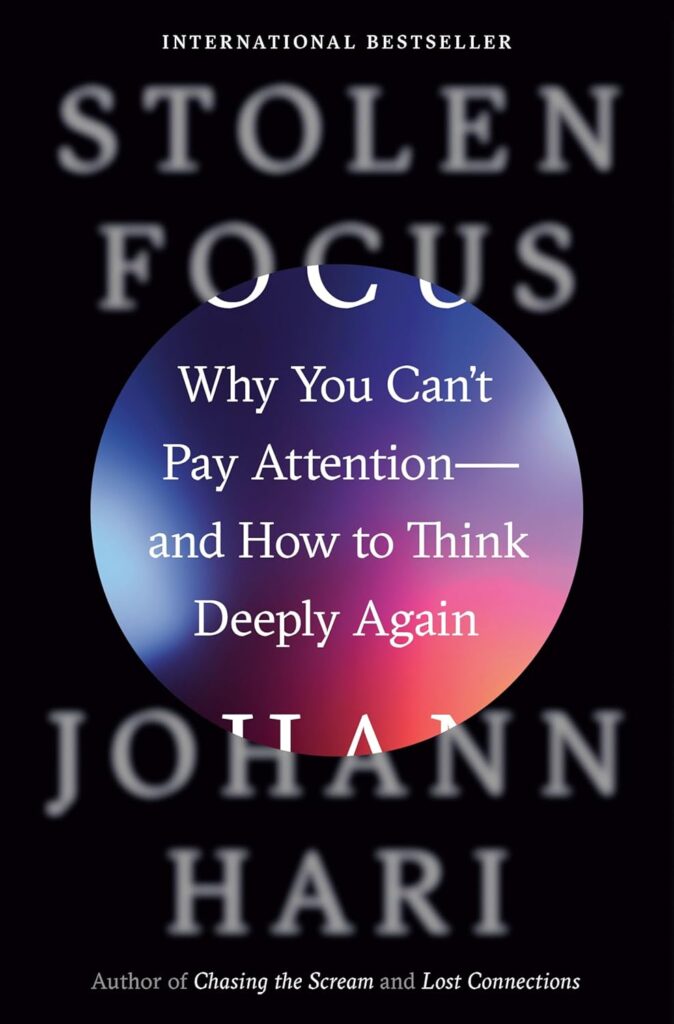
2. Stolen Focus: Why You Can’t Pay Attention and How to Think Deeply Again by Johann Hari
You cannot live slowly if your attention is perpetually fractured. In this gripping investigation, Johann Hari reveals why our collective ability to focus is collapsing:hijacked by tech, toxic productivity, and our frenetic environmentand how to reclaim it.
Why It’s a Game-Changer:
Slow living is fundamentally about deep attention to a task, a conversation, a sunset, a thought. Hari shows that our focus crisis isn’t a personal failing; it’s the result of systemic forces designed to steal our time and fragmented attention. This book liberates you from guilt and provides the scientific and social arguments for protecting your attention as your most precious resource.
What Makes It Unique:
Hari combines global reporting (from neuroscientists to tech whistleblowers) with a compelling personal narrative. He doesn’t just diagnose the problem; he offers a hopeful, collective path out. You’ll understand the “cruel optimism” of multitasking and discover the restorative power of “deep play” and uninterrupted flow states, the very engines of a satisfying, slow life.
A Small Practice from Its Pages:
Initiate a “Focus Spurt.” Turn off all notifications on your devices for a dedicated 90-minute block. Use this time for one deep work task or one purely restorative activity (reading, walking, crafting). Protect this block as you would an important meeting. This practice reclaims your cognitive capacity from the digital swarm and returns it to you.
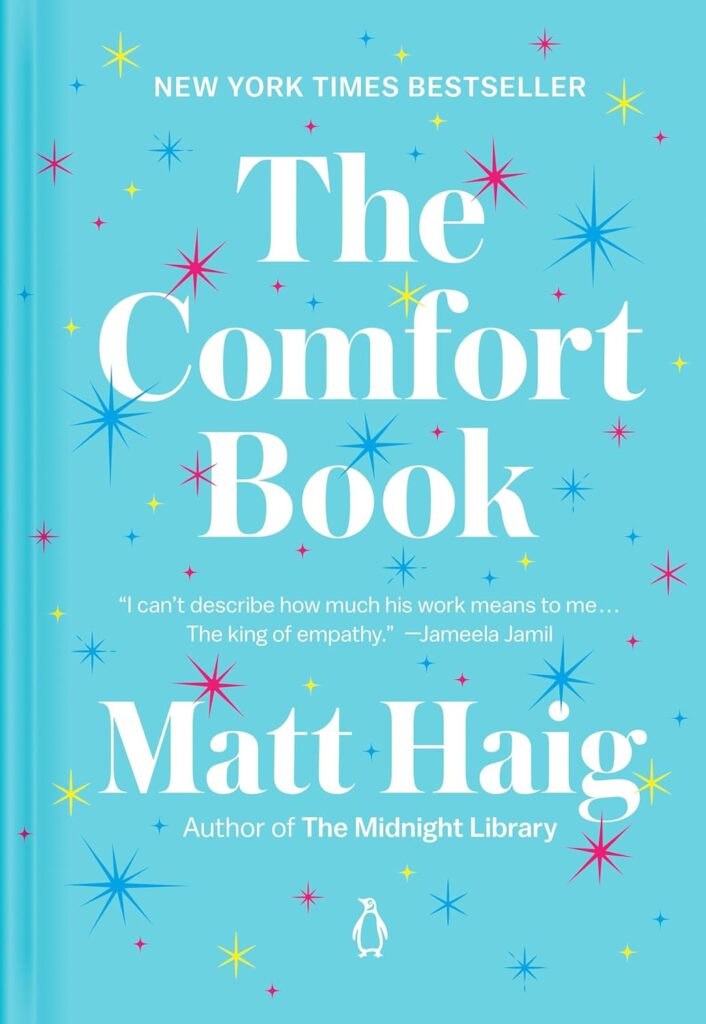
3. The Comfort Book by Matt Haig
This is not a book you read linearly. It’s a collection of notes, lists, stories, and gentle reminders of hope, assembled by novelist Matt Haig (The Midnight Library) from his own darkest moments. It is a tangible artifact of slow, compassionate thought.
Why It’s a Game-Changer:
In our rush to optimize and improve, we often brutalize ourselves. Slow living must be kind living. The Comfort Book is a direct antidote to the harsh, high-speed internal critic. It’s a permission slip to be imperfect, to rest, to find solace in smallness, and to see the profound in the simple. It slows you down by soothing your spirit.
What Makes It Unique:
Its format is the embodiment of slow consumption. You can open it to any page for a two-minute nugget of warmth and perspective. It champions ideas that are core to slow living but rarely shouted about: that you are enough as you are, that recovery is not linear, and that comfort can be an active, brave choice in a frantic world.
A Small Practice from Its Pages:
Create your own “Comfort List.” Inspired by Haig, write down five simple, accessible things that bring you a sense of peace and anchoring (e.g., the smell of rain, the weight of a blanket, a specific song, the taste of cinnamon). Keep this list handy. When life feels too fast, consciously choose one item from your list to immerse yourself in for five minutes.
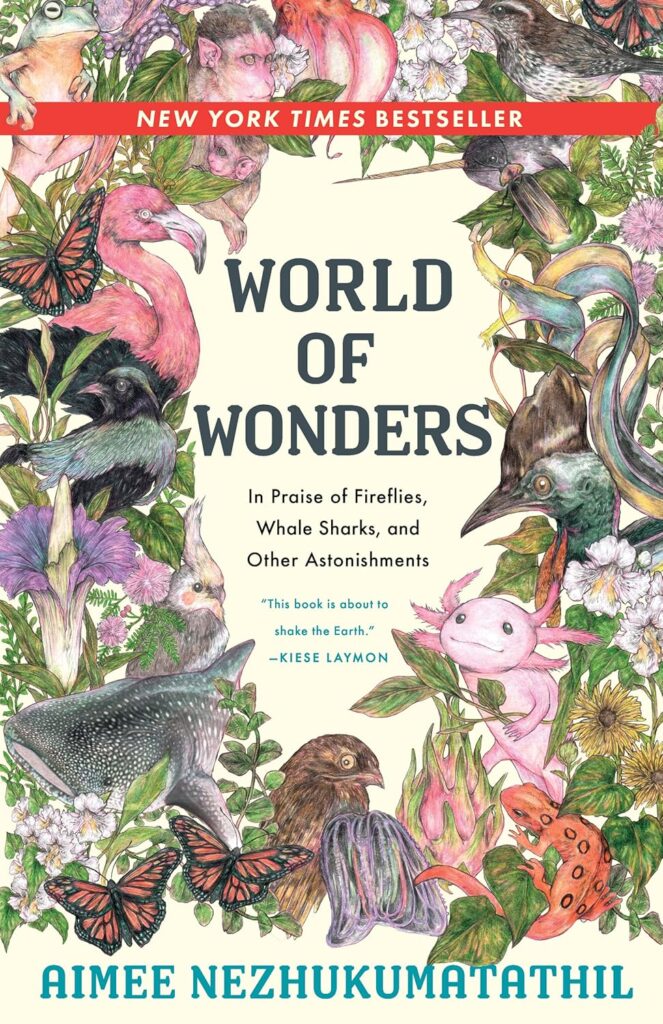
4. World of Wonders: In Praise of Fireflies, Whale Sharks, and Other Astonishments by Aimee Nezhukumatathil
Slow living is rooted in awe and a deep connection to the natural world, the original, slowest rhythm there is. Poet Aimee Nezhukumatathil’s collection of essays is a love letter to the creatures and natural phenomena that teach us about resilience, beauty, and belonging.
Why It’s a Game-Changer:
This book trains you to notice. Each chapter focuses on a different wonder from the axolotl to the corpse flower weaving personal memoir with natural history. By immersing you in the fascinating, patient rhythms of the non-human world, it effortlessly pulls you out of your human-sized anxieties and hurried timelines. You begin to measure time in seasons and cycles, not quarterly reports.
What Makes It Unique:
The prose is lyrical, humble, and stunning. It doesn’t preach about “going outside”; it seduces you into a state of wide-eyed wonder. It reminds us that to live slowly is to be a lifelong student of curiosity, observing the world with the patience and delight of a naturalist. This shift in perspective is fundamental.
A Small Practice from Its Pages:
Become a “Backyard Naturalist.” Pick one natural thing you see daily: a tree, a bird, the sky. For one week, commit to observing it for just three minutes each day. Note one new detail each time: the pattern of its bark, the quality of its song, the shift in the clouds. This practice roots you in the eternal, slow present of the natural world.
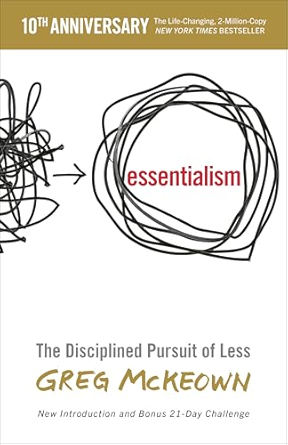
5. Essentialism: The Disciplined Pursuit of Less by Greg McKeown
At its core, slow living is essentialism in action. It’s about discerning what is absolutely vital, beautiful, and nourishing, and gracefully eliminating everything that is not. Greg McKeown’s classic provides the strategic backbone for a slow life.
Why It’s a Game-Changer:
We often try to slow down by adding things: meditation apps, yoga classes, new hobbies. But without subtraction, we just create a different kind of crowded schedule. Essentialism teaches the systematic, disciplined method of cutting away the trivial many to focus on the vital few. It’s the “how” for creating the space that slow living requires.
What Makes It Unique:
McKeown frames this not as a productivity hack, but as a “disciplined pursuit of less but better.” He offers a clear process: Explore/Evaluate/Eliminate/Execute. This book gives you the courage to say no, to set boundaries, and to design a life around your deepest priorities rather than others’ agendas. It’s the blueprint for a life that is both impactful and slow.
A Small Practice from Its Pages:
Conduct the “90% Rule.” When evaluating a commitment, opportunity, or even a physical possession, give it a score from 0 to 100. If it’s anything less than 90, treat it as a 0 and let it go. This ruthless clarity prevents the “pretty good” things from cluttering the space meant for the “truly great” things that align with your slow life vision.
Your Slow Unfolding Begins Now
Embracing slow living isn’t about a dramatic overnight change. It’s a series of small, defiant choices: to put down your phone, to protect your attention, to name your feelings, to say no with grace, and to stand in awe of a firefly.
Start with the book that feels most like a shelter to you right now. Let it be your permission slip, your guide, and your inspiration. Remember, the slow life isn’t somewhere you arrive. It’s a manner of traveling through your one wild and precious life. Begin where you are. Take a deep breath. And turn the page.