If you’re reading this, you’ve already taken the bravest step: acknowledging a trauma wound and looking for a way to heal. The path through past trauma can feel lonely and confusing, often lined with well-meaning but overly generic advice. You might be searching for something that feels more real, more nuanced, and more specifically tailored to the complex, personal work of mending a fractured sense of self.
Healing isn’t about erasing the past. It’s about changing your relationship to it, learning to carry the story without letting it carry you. Today, I want to share five profound yet less mainstream books. These aren’t your typical bestseller list picks; they are deep, compassionate guides that offer unique pathways out of pain and into a life of safety, connection, and wholeness. Find more books to read or add to your to read list here.
Table of Contents
5 Lesser-Known Books to Gently Guide Your Trauma Healing Journey
1. The Body Keeps the Score by Bessel van der Kolk, M.D.
Let’s start with a book that has quietly revolutionized the understanding of trauma. While it has gained deserved recognition, it remains a essential, foundational text that many people still haven’t discovered.
Why It’s a Game-Changer:
Neuroscientist Bessel van der Kolk presents a simple, radical idea: trauma is not just an event that happened in the past; it gets trapped in the body’s memory, shaping your physiology, nervous system, and health. If you’ve ever felt hijacked by panic, numbness, or inexplicable pain, this book explains why. It validates that your physical reactions are not “all in your head”; they are the intelligent, survival-based language of a body that remembers.
What Makes It Unique:
Van der Kolk doesn’t just explain the problem; he maps the solution. He explores a range of innovative treatments beyond talk therapy, from yoga and EMDR to neurofeedback and theater, that help reset the nervous system and reclaim ownership of your physical self. This book gives you the science-backed “aha!” moments that make your experience feel seen and understandable.
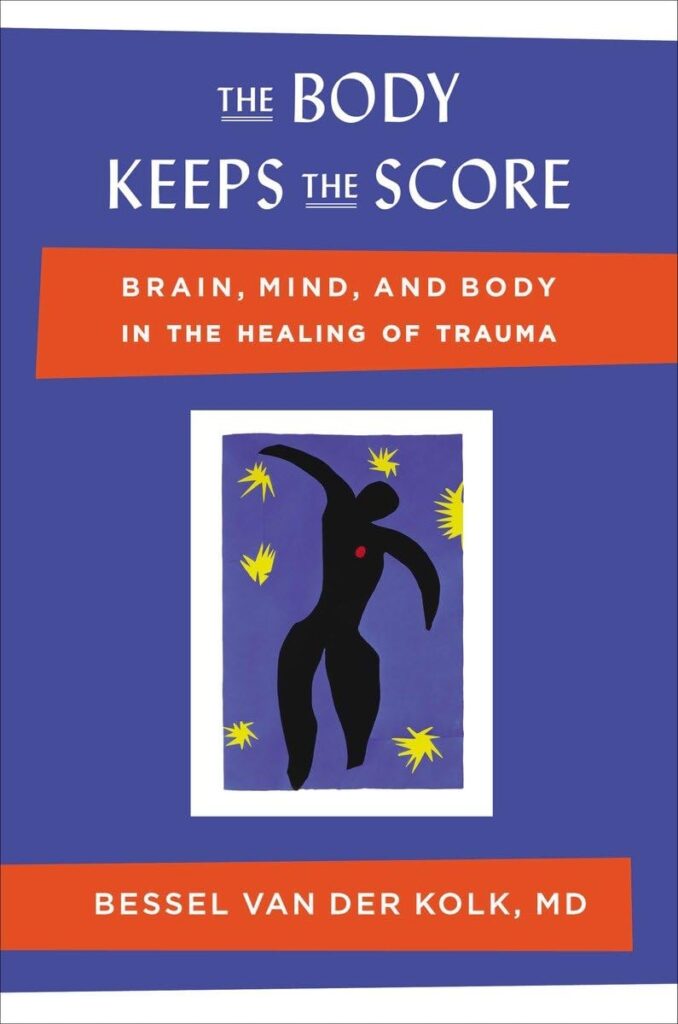
Renowned trauma expert Bessel van der Kolk has spent over three decades working with survivors. In The Body Keeps the Score, he transforms our understanding of traumatic stress, revealing how it literally rearranges the brain’s wiring—specifically areas dedicated to pleasure, engagement, control, and trust. He shows how these areas can be reactivated through innovative treatments including neurofeedback, mindfulness techniques, play, yoga, and other therapies. Based on Dr. van der Kolk’s own research and that of other leading specialists, The Body Keeps the Score offers proven alternatives to drugs and talk therapy—and a way to reclaim lives.
A Small Practice from Its Pages:
Try a simple moment of mindful body scanning. Sit quietly and, without judgment, just notice the physical sensations in your body. Is there tension in your shoulders? A knot in your stomach? The goal isn’t to change it, but to acknowledge it. This begins the crucial dialogue between your mind and body, a core step in healing.
2. It Wasn’t Your Fault by Beverly Engel, LMFT
Shame is the toxic, silencing glue that holds trauma in place. Beverly Engel’s powerful book directly attacks one of trauma’s most damaging legacies: the pervasive, false belief that “it was my fault.”
Why It’s a Game-Changer:
Engel specializes in treating shame and abuse, and her book is a compassionate, step-by-step manual for extricating yourself from its grip. She explains how perpetrators often transfer their shame onto victims, and how children naturally assume blame to make sense of a world where caregivers hurt them. This book is a direct antidote to that poisoned narrative.
What Makes It Unique:
The book is built around the powerful practice of self-compassion. Engel provides concrete exercises like writing compassionate letters to your younger self that actively rewire your internal dialogue. It moves you from intellectual understanding (“I know it wasn’t my fault”) to a felt, emotional belief (“I feel and believe I am innocent”).
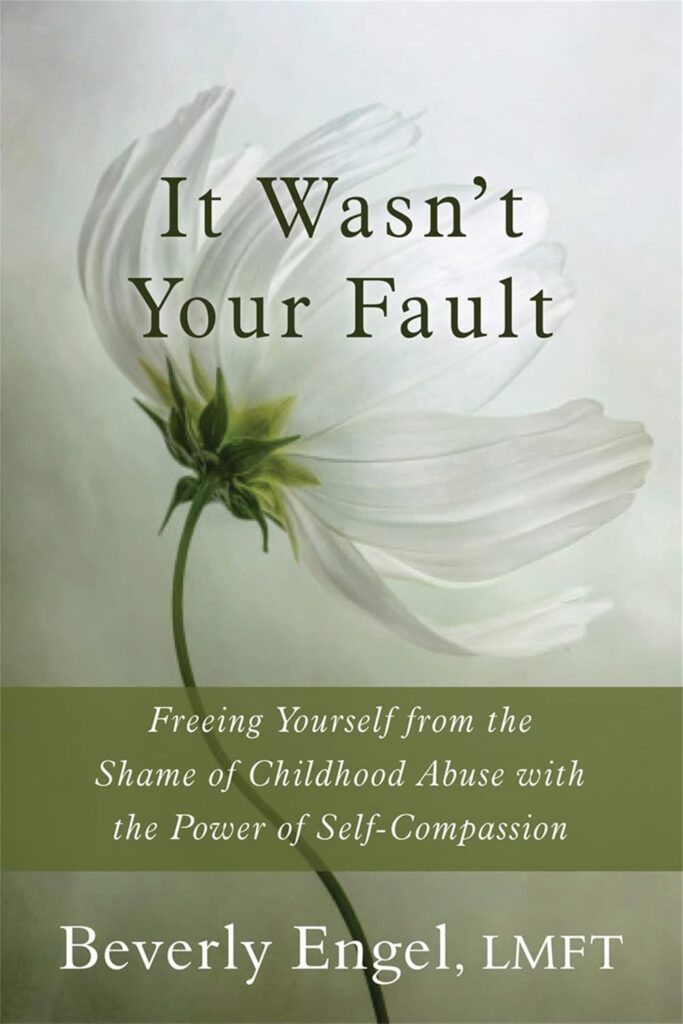
This book is based on the author’s powerful and effective Compassion Cure program. With this book, you will develop the skills needed to finally put a stop the crippling self-blame that keeps you from moving on and being happy. You’ll learn to focus on your strengths, your courage, and your extraordinary ability to survive. Most of all, you’ll learn to replace shame with its counter emotion―pride.
A Small Practice from Its Pages:
Practice saying this affirmation aloud, even if it feels strange at first: “What happened to me was not my fault. I was a child, and I deserved safety and love.” Repeat it. Write it down. The words themselves begin to challenge a lifetime of internalized shame.
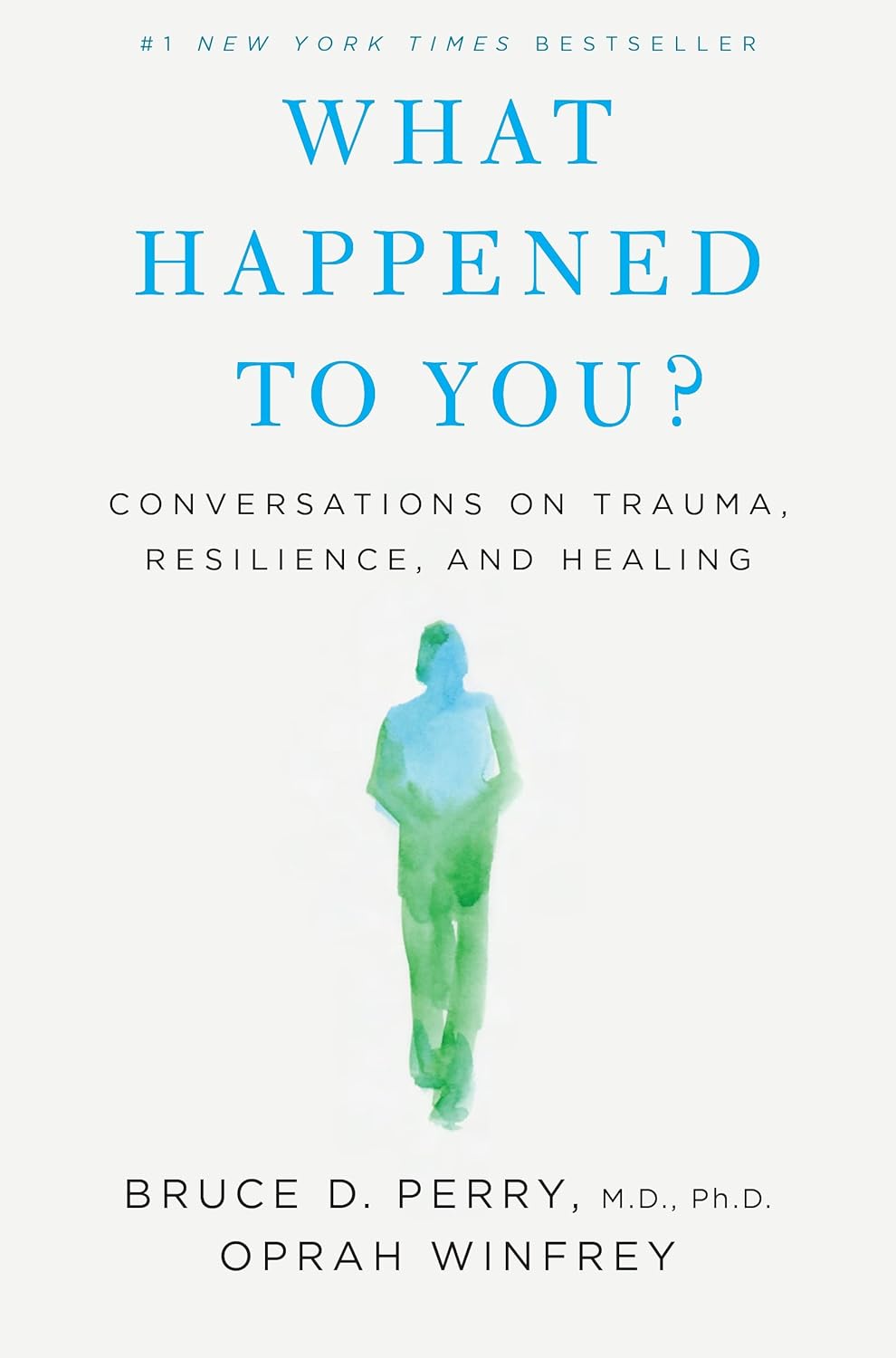
3. What Happened to You? by Bruce D. Perry, M.D., Ph.D. and Oprah Winfrey
Framed as a series of conversations between renowned psychiatrist Bruce Perry and Oprah Winfrey, this book shifts the most fundamental question we ask. Instead of “What’s wrong with you?” it asks, “What happened to you?”
Why It’s a Game-Changer:
This single shift in perspective is profoundly dignifying. It frames your struggles; anxiety, anger, relationship difficulties not as personal failures, but as logical adaptations to what you’ve lived through. Your brain and behavior developed in a specific context to ensure your survival. This book helps you view yourself not as broken, but as someone who adapted brilliantly to survive.
What Makes It Unique:
The accessible, story-driven format makes complex neurobiology easy to grasp. Through real-life stories, Perry explains how early experiences shape the developing brain. You’ll understand your own “patterns” (like why you shut down or explode) as learned survival strategies. This knowledge alone can flood you with self-understanding and reduce self-blame.
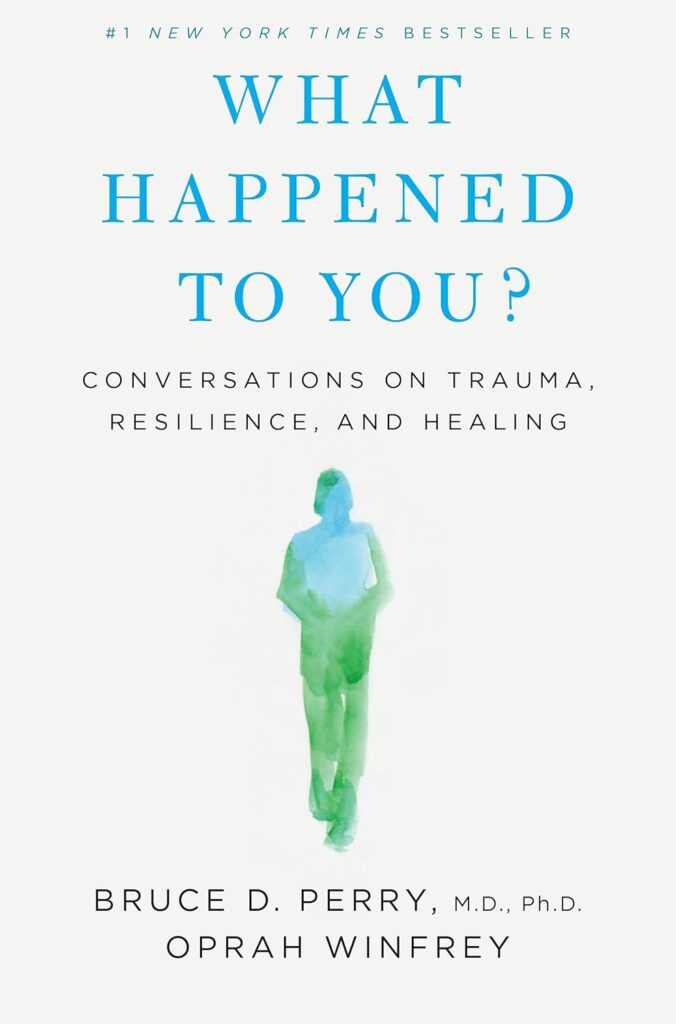
This book is going to change the way you see your life.
Have you ever wondered “Why did I do that?” or “Why can’t I just control my behavior?” Others may judge our reactions and think, “What’s wrong with that person?” When questioning our emotions, it’s easy to place the blame on ourselves; holding ourselves and those around us to an impossible standard. It’s time we started asking a different question.
A Small Practice from Its Pages:
Think of one current behavior that frustrates you (e.g., people-pleasing, intense startle response). Gently ask yourself: “When in my past might this behavior have been a necessary protection? How did it once serve me?” Thank that part of you for trying to keep you safe, even if its methods are now outdated.
4. How to Do the Work by Dr. Nicole LePera
Dr. Nicole LePera, known as “The Holistic Psychologist,” has built a massive community by democratizing healing tools. How to Do the Work is a practical workbook for what she calls “self-healing”; integrating mental, physical, and spiritual wellness.
Why It’s a Game-Changer:
This book is for the doer. It bridges the gap between understanding your trauma and actually doing something about it daily. LePera synthesizes psychology, holistic health, and Eastern philosophy into actionable steps to break cycles of trauma responses, reparent yourself, and create a new, authentic identity.
What Makes It Unique:
It’s incredibly practical. Each chapter introduces a concept (like the nervous system, inner child work, or limiting beliefs) and ends with specific prompts, exercises, and reflections. It empowers you to become the active participant in your healing, not just a passive patient. It’s like having a supportive coach by your side.
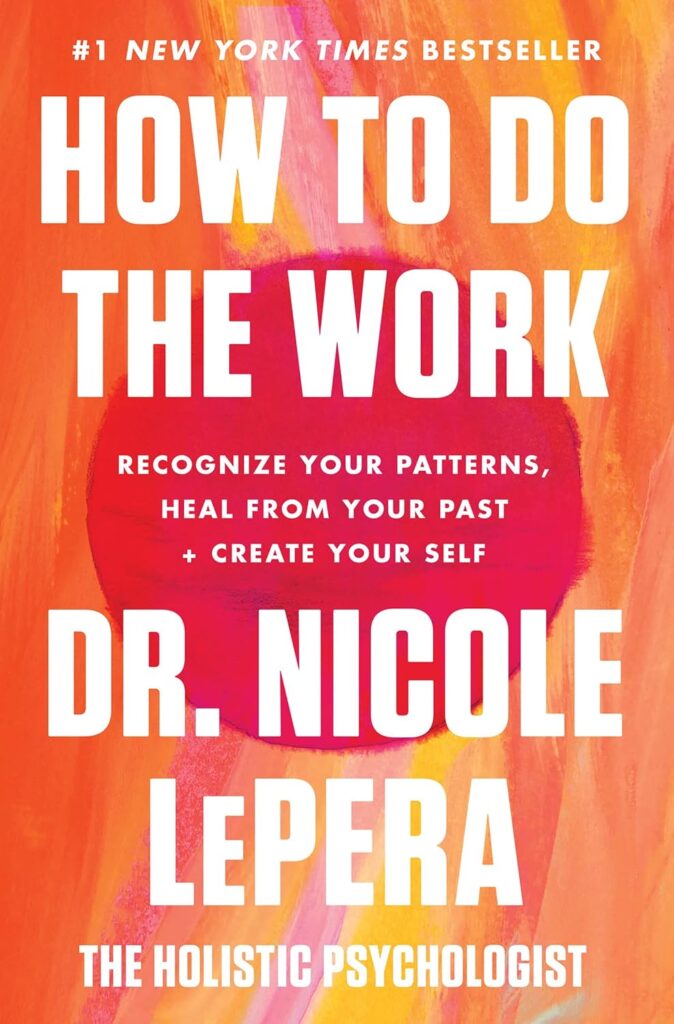
In How to Do the Work, she offers both a manifesto for SelfHealing as well as an essential guide to creating a more vibrant, authentic, and joyful life. Drawing on the latest research from a diversity of scientific fields and healing modalities, Dr. LePera helps us recognize how adverse experiences and trauma in childhood live with us, resulting in whole body dysfunction—activating harmful stress responses that keep us stuck engaging in patterns of codependency, emotional immaturity, and trauma bonds. Unless addressed, these self-sabotaging behaviors can quickly become cyclical, leaving people feeling unhappy, unfulfilled, and unwell.
A Small Practice from Its Pages:
Try “Conscious Breathwork.” When you feel triggered, pause. Place a hand on your heart. Inhale slowly for 4 counts, hold for 4, exhale slowly for 6. This simple act of regulated breathing directly signals safety to your brain and gives you a gap between a trigger and your reaction.
5. My Grandmother’s Hands by Resmaa Menakem
This is perhaps the most unique and essential book on this list. Therapist Resmaa Menakem argues that trauma is not only personal and psychological but also bodily and historical, living in the very nerves and tissue of communities across generations.
Why It’s a Game-Changer:
Menakem focuses on racialized trauma as it lives in Black, white, and police bodies. He shows how centuries of violence, oppression, and fear have created “trauma echoes” in our collective bodies. Even if your primary trauma is personal, this book offers a revolutionary lens: your body holds stories that may not even be “yours,” and healing requires somatic (body-based) practices.
What Makes It Unique:
The book is filled with dozens of straightforward “body practices”, not exercises for fitness, but for discharging trauma energy, settling the nervous system, and building “body literacy.” It moves healing from a purely cognitive space into the grounded, present-moment awareness of your own flesh and blood.
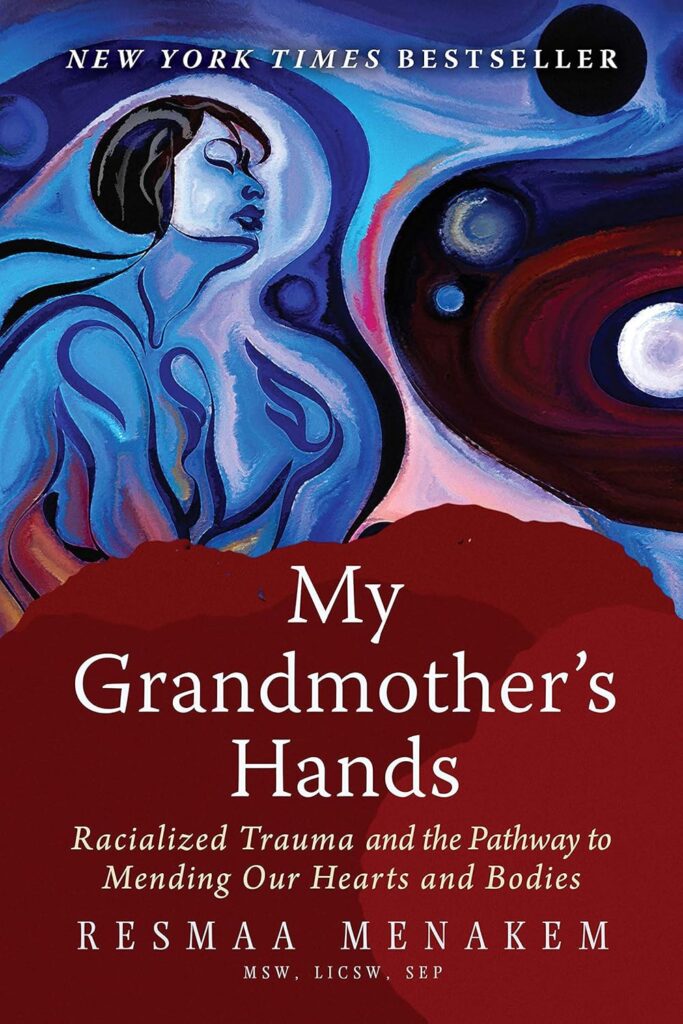
In this groundbreaking book, therapist Resmaa Menakem examines the damage caused by racism in America from the perspective of trauma and body-centered psychology.
A Small Practice from Its Pages:
“Settling.” Stand with feet shoulder-width apart, knees slightly bent. Gently bounce in place, shaking out your arms and hands. Allow your jaw to go slack. Do this for just 60 seconds. This helps discharge the trapped energy of fight-or-flight that gets stored in the body.
Remember, healing is not a linear race. It’s a spiral. You will revisit places with new wisdom. Some days, reading a single page will be enough. Other days, you’ll feel ready for a whole chapter. Honor your own rhythm.
These five books offer maps; through the body, out of shame, toward understanding, into action, and into our collective history. You don’t need to read them all at once. Pick the one whose title or description whispers to you right now. Let it be your companion.
Be unbearably kind to yourself today. You are doing the hardest and most worthy work there is.