
If you’re planning to build or operate a plastic waste recycling plant in Kenya, understanding the NEMA licenses, legal and regulatory landscape is essential. Kenya has comprehensive environmental laws and while that means real accountability, it also means that you must secure the right licences and permits before you begin operating.
The cornerstone of environmental law in Kenya is the Environmental Management and Co-ordination Act (EMCA), Cap 387, which gives the National Environment Management Authority (NEMA) the power to regulate activities affecting the environment. EMCA, supplemented by the Waste Management Regulations, creates a clear compliance framework for waste recycling facilities, including plastic recyclers.
In this guide, we’ll walk through every licence you need, explain the regulations behind them, and show you exactly how they apply to plastic waste recycling from initial site assessment to annual compliance. Find more NEMA related content, environment and sustainability posts here.
Table of Contents
Why Plastic Recycling Plants in Kenya Need NEMA Licenses
Under EMCA Section 87(3), no person shall operate a waste disposal or recycling plant without a licence issued by NEMA. That includes plastic recycling facilities, which are explicitly covered under the waste management framework.
Moreover, the Environmental Management and Co-ordination (Waste Management) Regulations, require all waste processing, recycling, and disposal facilities to obtain licences to operate.
The goal of these legal tools is to ensure that recycling operations are environmentally sound, socially responsible, and compliant with national standards, safeguarding ecosystems while allowing business activity.
5 Essential NEMA Licenses for a Plastic Waste Recycling Plant.
Step 1: Environmental Impact Assessment (EIA) Licence, Your First Legal Requirement
What an EIA Licence Is
Before your plant is built or begins operations, you must secure an Environmental Impact Assessment (EIA) licence. This licence confirms that you have assessed the potential impacts of your project on the environment and designed mitigation measures to prevent harm.
Under the Environmental (Impact Assessment and Audit) Regulations, which implement EMCA, an EIA is legally required for any project likely to have significant environmental impacts and plastics recycling plants qualify because they handle waste streams, chemical processes, and emissions.
Why It Matters
An EIA licence:
- Ensures your site design minimizes pollution and ecological harm.
- Demonstrates to NEMA and other regulators that you are compliant.
- Is a pre-requisite for all other licences from the Authority.
How to Get It
You must:
- Hire a NEMA-registered EIA expert like myself to prepare the study.
- Submit the EIA report through NEMA’s online portal.
- Wait for review, the law gives NEMA 45–90 days to issue a decision from receipt.
Without an EIA licence, you cannot legally operate a recycling facility, whether you’re processing plastic bottles, packaging, or industrial polymers.
Step 2: Licence to Own/Operate a Plastic Waste Recycling Plant
What This Licence Covers
Under Regulation 10 of the Waste Management Regulations, any person who wants to operate a recycling plant must obtain a licence to own and operate the facility. This applies equally to plastic waste recycling, which is explicitly included as reuse, processing, and recycling of waste.
This licence allows you to:
- Process and recycle selected plastic waste streams
- Handle, sort, compact, shred, melt, or re-form plastic materials
- Store plastic waste on your premises in accordance with environmental standards
What You Must Submit
Your application for a recycling plant licence will typically include:
- Your EIA licence
- Full business details and PIN
- A site layout with waste streams and processing points
- Environmental safeguards and compliance plans
- Proof of payment of prescribed fees (as laid out in the regulations and NEMA service charters)
Renewal and Annual Obligations
This licence is valid for one year and must be renewed annually. Renewal requires submission of updated operational information, a compliance record, and often an environmental audit.
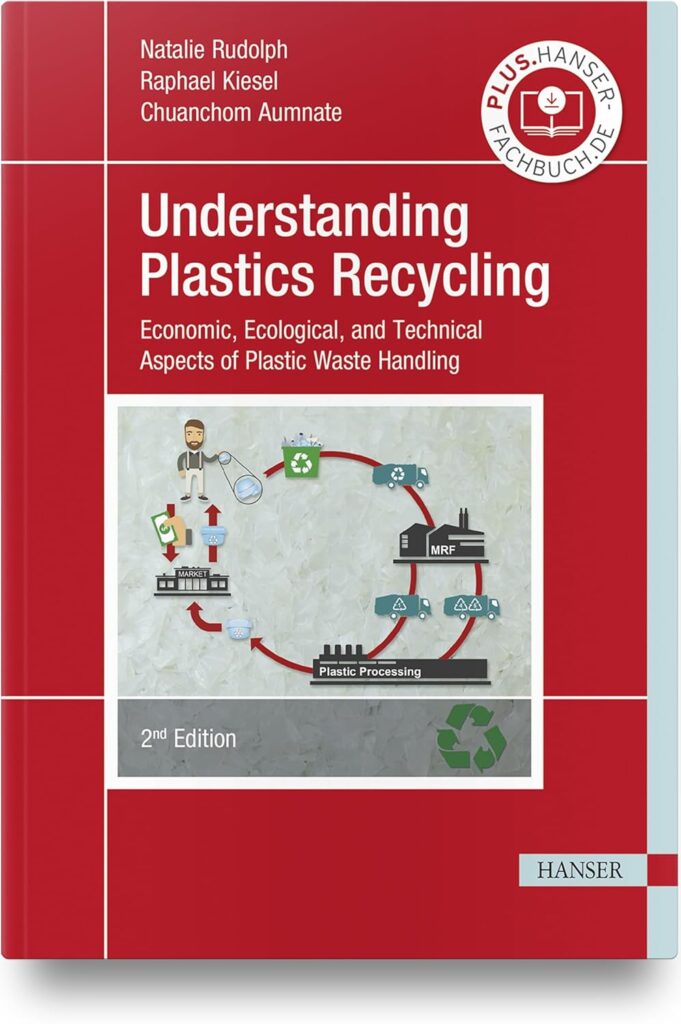
This book shows the true and often-underestimated market potential of plastics recycling, with analysis from economic, ecological, and technical perspectives. It is aimed at both technical and non-technical readers, including decision makers in material suppliers, plastic product manufacturers, governmental agencies, educators, and anyone with a general interest in plastics recycling.
Step 3: Waste Transportation Licence (If You Collect Plastic Waste)
Legal Requirement
If your recycling plant will collect plastic waste from other generators or facilities, you must be licensed as a waste transporter by NEMA. EMCA Section 87(2) makes it an offence to transport waste without a valid licence.
This is not optional, even if you already have a county government permit. In fact, the Environment and Land Court confirmed in Petition 3 of 2021 that a NEMA waste transportation licence is mandatory and cannot be substituted by county licensing. (People Daily)
What It Covers
Licensed transporters must:
- Ensure waste is securely contained during transport
- Use vehicles approved for waste movement
- Comply with NEMA’s colour-coding and labelling system
- Deliver waste only to licensed facilities
Why It Matters
Transportation is a key part of the plastic recycling value chain. Without this licence, you risk prosecution, fines, or facility shutdown.
Step 4: Compliance With Plastic-Specific Regulations
Plastic Packaging and Material Control
Kenya’s environmental framework also includes regulations specifically targeting plastic packaging and materials. NEMA’s licensing portal now supports applications under the Environmental Management and Co-ordination (Management and Control of Plastic Packaging Materials) Regulations, which address the lifecycle of plastic packaging ; including production, importation, use, and recycling.
Under these regulations, plastic material handlers including recyclers must secure relevant licences or clearances for processing controlled plastic packaging.
Although somewhat new, these regulations are intended to curb pollution and ensure all actors in the plastics value chain meet strict environmental standards.
Plastic Bag and Biodegradable Waste Directives
NEMA officially banned plastic carrier bags and is actively enforcing proper segregation and handling of plastic waste streams. This means your recycling plant must have systems in place to process acceptable plastic types and comply with segregation, colour coding, and biodegradable waste controls.
Step 5: Extended Producer Responsibility (EPR) Registration.
One of the most important developments in Kenya’s waste law is the introduction of Extended Producer Responsibility (EPR) under the Sustainable Waste Management Regulations, 2024. These regulations assign lifecycle responsibility to producers, importers, and brand owners, particularly for materials like plastic packaging.
Under this framework:
- producers of plastic products must register with NEMA,
- submit compliance plans to support collection and recycling,
- and pay prescribed fees as outlined in the regulations.
While the financial aspects of EPR have been challenged in court, the obligation to register and comply remains a key part of the regulatory landscape, especially if you collaborate with producers as part of a recycling scheme. (Nation Africa)
Step 6: Environmental Audits and Ongoing Reporting
Annual Environmental Audits
Under Regulation 12 of the Waste Management Regulations, every licensed owner or operator of a recycling plant must carry out an annual environmental audit and submit it to NEMA.
These audits review:
- your compliance with licence conditions,
- waste segregation and treatment procedures,
- pollution control measures, and
- any corrective actions taken during the year.
The book begins with a discussion of different types of molds and dies, including compression molding, injection molding, blow molding, thermoforming, reaction injection molding, extrusion, and pultrusion. It then covers spinning, casting, reinforcing, foaming, compounding, and coating processes as well as powder molding, adhesive bonding, and plastics welding techniques.
The authors also explore the decoration of plastics, including painting operations, printing processes, hot stamping, in-mold decorating, embossing, electroplating, and vacuum metallizing. They conclude with an overview on key aspects of plastics recycling, developments in the field, and waste recycling problems.
Record-Keeping and Reporting
In addition to audits, you must maintain accurate records of your:
- plastic waste volumes received and processed,
- transportation manifests,
- compliance documents, and
- emissions or effluent reports where applicable.
Regular reporting ensures ongoing compliance and demonstrates environmental responsibility.
Compliance Does Not End With Licences
Remember, licences are just the beginning. Under EMCA Section 87, failure to operate with the proper licences can lead to fines up to KSh 1 million, imprisonment, or both, plus orders to cease operations.
That’s why it’s vital to:
- plan your licensing strategy early,
- engage environmental experts for EIA and audits,
- integrate compliance into your operations,
- and stay updated as plastic-specific policies evolve.
Final Thoughts: Legal Compliance Is Good for Business and the Planet
Running a plastic waste recycling plant in Kenya is not only economically promising, it’s a socially responsible enterprise with real environmental impact. But to make it sustainable, you must walk the legal path:
- EIA Licence first (before site works)
- Recycling plant operating licence from NEMA
- Waste transportation licence (if collecting plastic waste)
- Plastic packaging materials licences/clearances
- EPR registration for producers/partners
- Annual audits and reporting
Each of these licences aligns with specific regulatory requirements found under EMCA, the Waste Management Regulations, and the Plastic Packaging Regulations. Compliance is your best foundation for long-term success.