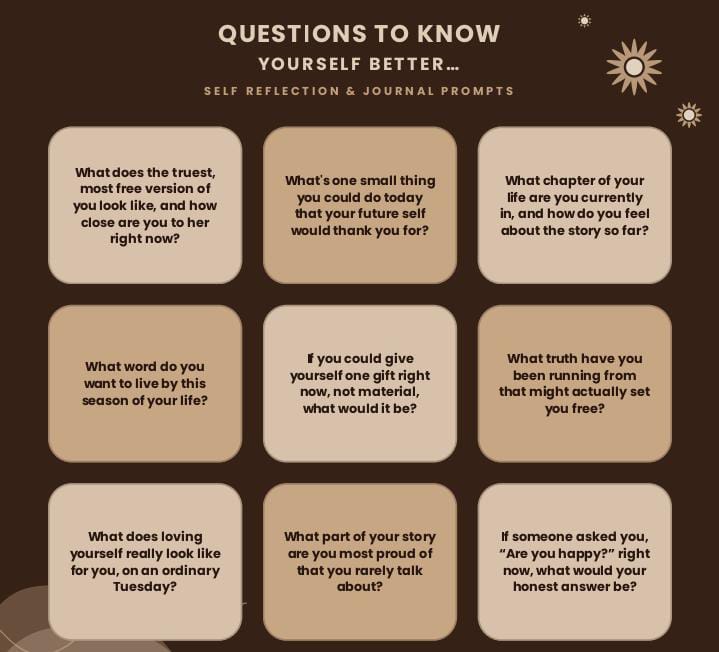
Hey there, bestie! Oh boy, it’s the second day of the new year, and if you’re like me, the new year has you in that reflective mode, maybe sipping on a warm cup of something comforting, staring out the window, and wondering how to make this year feel a little lighter. I get it; we’ve all carried stuff from the past that weighs us down, right? Those hidden hurts, the old wounds we don’t always talk about, they’re what we call traumas. And let me tell you, acknowledging them isn’t about dwelling in the dark; it’s about shining a light so you can heal and step forward with more freedom. If you’ve been feeling stuck, anxious, or just not quite yourself, diving into some self-reflection could be that gentle first step.
Now, before we go any further, I want to be real with you: I’m not a therapist, and this post isn’t meant to replace professional help. Trauma can be deep and complex; think childhood experiences, losses, betrayals, or even those subtle, ongoing stresses that build up over time. If things feel overwhelming as you read this, please reach out to a licensed counselor or hotline. We’re just chatting here, like two pals on a couch, exploring questions that might help you uncover root causes. The goal? To help you identify patterns, understand why certain triggers hit hard, and start that journey toward compassion for yourself. Studies from folks like Bessel van der Kolk in “The Body Keeps the Score” show that self-awareness is key to healing, but it’s always best done with support.
In this post, I’ve crafted 200 unique questions to guide you through identifying traumas and digging to their roots. I’ve grouped them into 10 categories to make it less intimidating; maybe start with one that resonates, journal your answers, or share with a trusted friend. Each section has a little intro from me on why it matters, plus tips for reflection. We’ll cover everything from childhood echoes to current relationships, self-perception, and more. By the end, I hope you’ll feel empowered, not exhausted. And if this sparks something good, drop a comment, share with someone who needs it, or subscribe for more heart-to-heart content on personal growth. Let’s ease into this together, okay? You’ve got this. Find more journal prompts, self exploration and reflection questions, as well as affirmations here.
Table of Contents
200 Questions to Help You Identify your Traumas and The Root Cause.
1. Childhood Foundations: Unpacking Early Experiences
Our earliest years shape so much of who we are, think of them as the soil where roots take hold. Traumas here might show up as unexplained fears or patterns in adulthood. These questions gently probe those memories without forcing anything. Take it slow; maybe light a candle and breathe deep as you answer.
- What early memory makes you feel unsafe, and why?
- How did your caregivers respond when you expressed big emotions as a kid?
- What rules in your home felt confusing or unfair?
- Did you ever feel like you had to hide parts of yourself to be loved?
- What school experiences left you feeling inadequate?
- How did family dynamics make you question your worth?
- What loss or change in childhood hit you hardest?
- Did you witness conflicts that scared you?
- What expectations from parents or teachers felt overwhelming?
- How did playtime (or lack of it) affect your sense of joy?
- What secrets did you keep as a child, and why?
- How did cultural or societal norms in your family suppress your voice?
- What moments made you feel invisible or overlooked?
- Did physical or emotional boundaries feel violated growing up?
- What early rejection still stings today?
- How did money or stability issues in your home create anxiety?
- What role did you play in your family (e.g., peacemaker, scapegoat)?
- Did you ever feel responsible for others’ happiness as a kid?
- What unmet needs from childhood do you still crave?
- How has your inner child been calling for attention lately?
Bestie, childhood stuff can be tender, give yourself grace. Journaling these might bring up emotions; that’s normal. If it does, pause and do something soothing, like a walk.
2. Family Dynamics: Exploring Inherited Patterns
Families are our first mirror, but sometimes that reflection is distorted. Traumas from family can root in generational cycles. These questions help spot those hand-me-down hurts so you can break free.
- What family stories or secrets shaped your view of trust?
- How did sibling relationships teach you about competition or support?
- What parental behaviors do you unconsciously repeat?
- Did family gatherings ever feel tense or performative?
- How did criticism from relatives affect your self-esteem?
- What unspoken rules in your family limited expression?
- How has estrangement or closeness with family impacted you?
- What holiday traditions trigger old wounds?
- Did you feel pressure to uphold family “honor” or image?
- How did addiction or mental health issues in family ripple to you?
- What favoritism (real or perceived) left scars?
- How did family handle failure or mistakes?
- What generational traumas (e.g., war, poverty) echo in you?
- Did you ever feel like the “black sheep,” and why?
- How did family views on emotions influence your coping?
- What apologies from family do you still long for?
- How has family loyalty conflicted with your needs?
- What positive family traits do you want to amplify?
- How did family handle grief or loss?
- What family pattern are you ready to release?
See? Families are complex, but understanding them is liberating. Try discussing these with your partner if it feels safe, it can deepen bonds.
3. Relationships and Intimacy: Healing Heart Wounds
Romantic and platonic connections can reopen old traumas or create new ones. These questions dive into how past hurts affect your bonds, helping you root out why certain patterns persist.
- What past breakup still influences your trust?
- How do arguments with loved ones echo childhood conflicts?
- What fears about abandonment show up in relationships?
- Did betrayal by a friend or partner change your openness?
- How has rejection shaped your approach to intimacy?
- What boundaries in relationships have been hard to set?
- How do power dynamics in past relationships haunt you?
- What unhealed heartbreak affects your self-love?
- How has codependency rooted in your history?
- What red flags do you ignore due to past traumas?
- How did early attachments influence your love style?
- What loss of a relationship felt like a deep wound?
- How has emotional unavailability in others triggered you?
- What patterns in friendships reveal deeper issues?
- How do you self-sabotage in close bonds?
- What validation do you seek from others, and why?
- How has infidelity (experienced or feared) impacted you?
- What intimacy fears stem from vulnerability gone wrong?
- How do you handle conflict, and where did that come from?
- What healthy relationship traits are you building now?
Relationships are mirrors too, be kind as you look. If these stir stuff up, therapy can help process.
4. Self-Worth and Identity: Reclaiming Your Value
Trauma often whispers lies about our worth. These questions help unearth those roots, so you can replant with truth and compassion.
- What core belief about yourself feels limiting?
- How did early labels (e.g., “shy,” “troublemaker”) stick?
- What achievements do you downplay, and why?
- How has imposter syndrome rooted in past failures?
- What body image issues trace back to criticism?
- How do perfectionist tendencies protect old wounds?
- What “not enough” feelings persist from childhood?
- How has cultural identity struggles caused pain?
- What self-criticism echoes parental voices?
- How do you measure your value, and is it healthy?
- What shame from past mistakes holds you back?
- How has bullying affected your self-view?
- What identity shifts (e.g., career, gender) brought trauma?
- How do comparison traps reopen old hurts?
- What strengths do you undervalue due to trauma?
- How has low self-worth influenced choices?
- What affirmations counter your deepest doubts?
- How did exclusion experiences shape belonging?
- What “shoulds” from society burden you?
- How are you reclaiming your narrative now?
You are worthy, full stop. These can be tough, but answering them is an act of self-love.
5. Fears and Anxieties: Tracing the Shadows
Fears often have trauma roots, like survival responses gone haywire. These questions help map them back to origins for release.
- What fear of failure links to past disappointments?
- How does anxiety about control stem from chaos?
- What phobias trace to specific events?
- How has fear of success sabotaged opportunities?
- What social anxieties root in rejection?
- How does worry about health echo losses?
- What financial fears come from instability?
- How has fear of intimacy protected you?
- What existential dread links to traumas?
- How do nightmares reveal unresolved pain?
- What avoidance behaviors hide deeper fears?
- How has fear of change rooted in transitions?
- What performance anxiety stems from criticism?
- How does fear of vulnerability show up?
- What abandonment fears influence decisions?
- How has fear of conflict avoided past hurts?
- What safety concerns trace to violations?
- How do “what if” thoughts connect to traumas?
- What fear of judgment silences you?
- How are you facing these fears gently?
Fears are protectors, thank them, then question their origins.
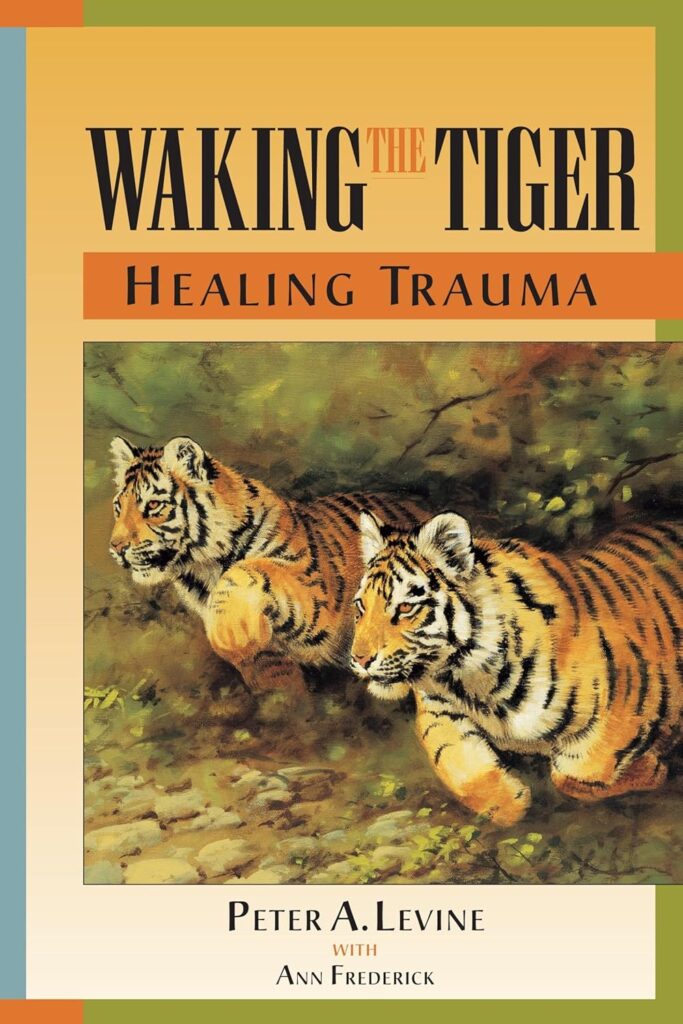
For anyone seeking body-based tools to heal from trauma—like complex PTSD, developmental trauma, nervous system dysregulation, and more
For nearly three decades, Waking the Tiger has reshaped how we think about—and heal from—trauma. Dr. Peter A. Levine, the visionary behind Somatic Experiencing® (SE), introduced a revolutionary concept: trauma is not a flaw, but a natural process that, when properly supported, can help us self-regulate and lead to profound healing.
6. Body and Health: Listening to Physical Echoes
Trauma lives in the body too, think tension, illnesses, or habits. These questions connect physical symptoms to emotional roots.
- What chronic pain might link to suppressed emotions?
- How has stress manifested in your health?
- What eating patterns root in control issues?
- How does fatigue trace to burnout traumas?
- What sleep disturbances reveal inner turmoil?
- How has addiction or habits numbed pain?
- What body part holds tension from past events?
- How do allergies or sensitivities echo sensitivities?
- What exercise avoidance stems from body shame?
- How has illness forced you to face traumas?
- What sensory triggers (e.g., smells) bring flashbacks?
- How does hypervigilance affect your nervous system?
- What self-harm thoughts root in despair?
- How has reproductive health been impacted?
- What digestive issues link to anxiety?
- How do headaches signal emotional overload?
- What skin conditions reflect inner stress?
- How has trauma affected your immune system?
- What breathing patterns hold fear?
- How are you honoring your body’s wisdom now?
Your body is an ally, listen with kindness.
7. Career and Ambition: Unblocking Professional Paths
Work traumas, like failures or toxic environments can root in deeper issues. These questions help clear those blocks.
- What career setback echoes childhood failures?
- How has imposter syndrome derailed ambitions?
- What toxic boss triggered old authority wounds?
- How do workaholic tendencies avoid emotions?
- What job loss felt like personal rejection?
- How has discrimination at work deepened traumas?
- What promotion fears stem from unworthiness?
- How do networking anxieties root in social hurts?
- What burnout revealed unhealed patterns?
- How has financial trauma influenced career choices?
- What creative blocks trace to criticism?
- How do leadership fears link to family roles?
- What work-life imbalance protects vulnerabilities?
- How has remote work isolation echoed loneliness?
- What success guilt comes from family dynamics?
- How do feedback sensitivities root in past?
- What entrepreneurial risks scare you, and why?
- How has job dissatisfaction signaled deeper needs?
- What retirement fears reveal security issues?
- How are you aligning career with healing?
Work is part of life, heal here for fulfillment.
8. Spirituality and Beliefs: Questioning Inner Faith
Trauma can shake our core beliefs. These questions explore spiritual wounds for reconnection.
- What faith crisis rooted in loss?
- How has religious trauma affected trust in higher powers?
- What existential questions arose from pain?
- How do guilt feelings stem from teachings?
- What spiritual practices heal old wounds?
- How has doubt influenced your worldview?
- What “why me” moments challenged beliefs?
- How does forgiveness tie to spiritual growth?
- What meditation blocks reveal resistances?
- How has community (or lack) in faith hurt?
- What afterlife fears link to grief?
- How do moral dilemmas echo traumas?
- What nature connections soothe inner pain?
- How has hypocrisy in spirituality wounded you?
- What prayer or ritual feels forced?
- How do synchronicities signal healing?
- What belief about suffering needs reevaluation?
- How has spiritual bypassing avoided roots?
- What divine love doubts stem from unloved feelings?
- How are you redefining spirituality now?
Spirituality is personal, find what resonates.
9. Social and Cultural Influences: Broader Context Hurts
Society’s pressures can traumatize. These questions unpack those layers.
- How has racism or prejudice wounded you?
- What gender norms suppressed your authenticity?
- How do class struggles root in shame?
- What media influences distorted self-image?
- How has ableism affected your worth?
- What cultural expectations feel burdensome?
- How do political events trigger fears?
- What community exclusions left scars?
- How has ageism influenced self-view?
- What global events echoed personal traumas?
- How do beauty standards root in rejection?
- What environmental anxieties stem from powerlessness?
- How has immigration or displacement hurt?
- What technology dependencies avoid connections?
- How do work culture traumas persist?
- What pandemic echoes linger?
- How has activism burnout revealed limits?
- What privilege guilt ties to empathy?
- How do social media comparisons wound?
- How are you advocating for change personally?
We’re all in this world, heal collectively too.
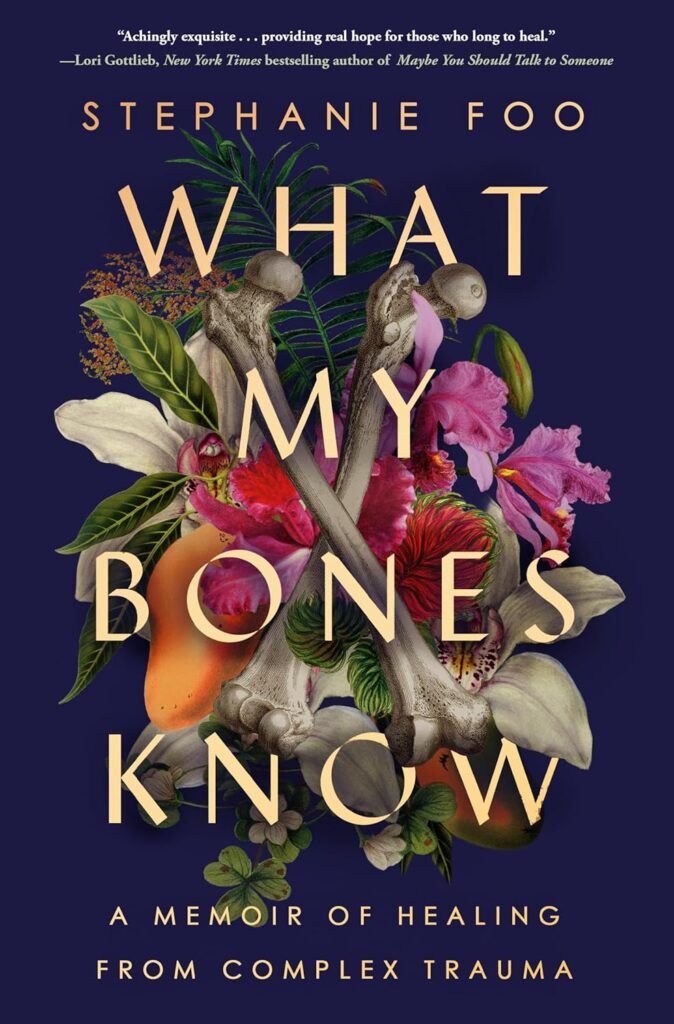
A searing memoir of reckoning and healing by acclaimed journalist Stephanie Foo, investigating the little-understood science behind complex PTSD and how it has shaped her life
10. Future Healing: Rooting Out for Growth
Finally, look ahead. These questions bridge identification to action, realigning for a trauma-informed future.
- What trauma symptom are you ready to address?
- How can therapy help unearth roots?
- What self-care ritual honors your journey?
- How will boundaries protect healing?
- What forgiveness (self or others) is needed?
- How can support networks aid recovery?
- What books or resources call to you?
- How will mindfulness reveal hidden roots?
- What creative outlet processes pain?
- How can movement release stored trauma?
- What affirmations counter old narratives?
- How will gratitude shift your focus?
- What professional help feels right?
- How can nature facilitate healing?
- What community builds safety?
- How will patience guide your pace?
- What victories celebrate progress?
- How can love (self and others) mend?
- What vision for a healed you looks like?
- How are you committing to this gently?
Whew, we made it through 200! Bestie, reflecting on trauma isn’t easy, but it’s brave. You’ve taken a step just by reading this. Remember, roots run deep, but so does your resilience. If emotions surfaced, that’s progress, talk to someone. For more, check books like “Complex PTSD” by Pete Walker or apps for journaling. You’re not alone; here’s to rooting out the old and blooming anew in. Big hug.