If you grew up with an abusive parent, journaling can feel intimidating, but it can also be one of the safest, gentlest places to tell the truth. You don’t need to write perfectly. You don’t need to remember everything. You don’t even need to finish every prompt. What matters is honesty, self‑compassion, and moving at your pace.
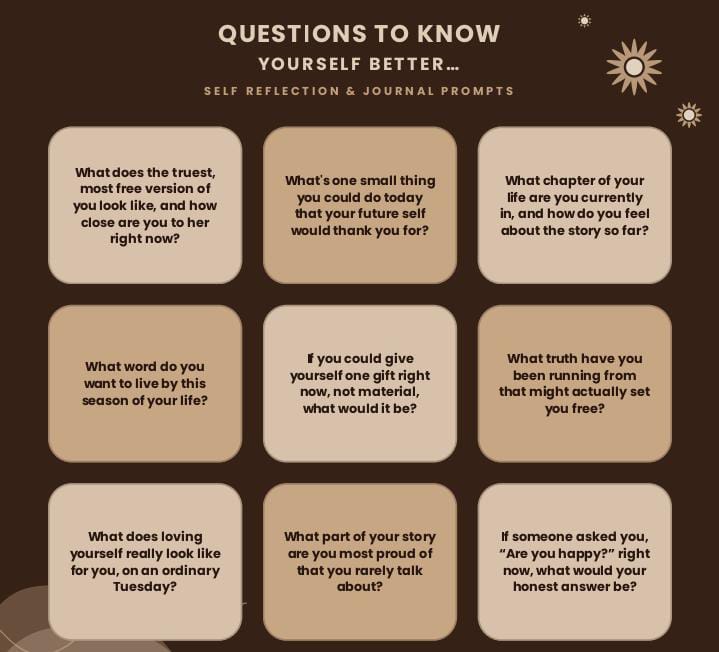
Below are 200 carefully written journal prompts to help you process pain, release shame, rebuild your sense of self, and slowly, very slowly feel safer inside your own body and mind. Find more journal prompts, conversation starters and game night questions here.
Before You Begin (Please Read This )
- You are allowed to stop at any time.
- You are allowed to skip prompts that feel too intense.
- Healing is not about forgiving or excusing abuse.
- You do not owe your parent reconciliation.
Your feelings are valid. Full stop.
Table of Contents
200 Powerful Journal Prompts for Healing From an Abusive Parent.
Naming the Abuse
- What behaviors from my parent felt unsafe or harmful?
- When did I first realize something wasn’t normal?
- What did I learn to stay quiet about?
- How did my body react when my parent was angry?
- What forms of abuse did I experience (emotional, verbal, physical, neglect, control)?
- What did I normalize that I shouldn’t have?
- What excuses did I make for my parent?
- What moments still replay in my mind?
- How did my parent handle my emotions?
- What was I blamed for that wasn’t my fault?
- What rules existed that were never spoken?
- How did fear show up in my childhood?
- What was unpredictable about my parent?
- What did I feel I had to hide to survive?
- What punishments felt especially unfair?
- What did love feel like in that household?
- How did control show up?
- What memories still hurt the most?
- What did my parent deny or minimize?
- What boundaries were violated?
- What was I taught about obedience?
- What emotional needs went unmet?
- How did abuse affect my sense of safety?
- What moments made me feel powerless?
- What truths am I finally ready to admit?
Releasing Shame & Self‑Blame
- What did I blame myself for as a child?
- What shame do I still carry?
- What was never my responsibility?
- What lies did I internalize about myself?
- What did I believe I had to earn?
- How was love made conditional?
- What parts of me were criticized the most?
- What was I punished for needing?
- What did I believe was “wrong” with me?
- How did I learn to shrink myself?
- What guilt still shows up today?
- What survival strategies am I proud of?
- What did I do to protect myself?
- What would I tell my younger self now?
- What does compassion toward myself look like?
- How did shame keep me silent?
- What am I allowed to release?
- What didn’t I deserve?
- How did I confuse fear with love?
- What beliefs no longer serve me?
- How did I learn to self‑abandon?
- What emotions was I not allowed to express?
- What does self‑forgiveness mean to me?
- What shame belongs to my parent, not me?
- What truth sets me free today?
Grieving the Parent I Never Had
- What did I need that I never received?
- What moments should have been safe?
- What milestones felt unsupported?
- What did I long to hear from my parent?
- What would healthy love have looked like?
- What am I mourning now?
- What childhood did I imagine?
- What hurts when I see healthy families?
- What was taken from me emotionally?
- What does grief feel like in my body?
- What expectations do I need to release?
- What fantasies kept me hoping?
- What dreams were discouraged?
- What did I deserve instead?
- What sadness still needs space?
- What was never acknowledged?
- What moments deserved comfort?
- What does grieving allow me to feel?
- What was stolen that I’m reclaiming?
- What parts of me are still grieving?
- What love was missing?
- What would closure look like for me?
- What am I allowed to feel without judgment?
- What tears have I held back?
- What healing feels like when I allow grief?
Rebuilding Identity & Self‑Trust
- Who am I outside survival mode?
- What do I actually like?
- What feels safe now?
- What does my intuition sound like?
- How do I recognize my needs?
- What boundaries feel supportive?
- What does rest mean to me?
- How do I experience joy?
- What does autonomy feel like?
- How do I self‑soothe?
- What am I learning to trust?
- What values are truly mine?
- What makes me feel grounded?
- What am I allowed to want?
- What does self‑respect look like?
- How do I speak kindly to myself?
- What does emotional safety mean?
- What am I becoming?
- What does inner peace feel like?
- What parts of me are resilient?
- How do I listen to my body?
- What makes me feel empowered?
- What does confidence feel like without fear?
- What does authenticity mean to me?
- Who am I when I’m not afraid?
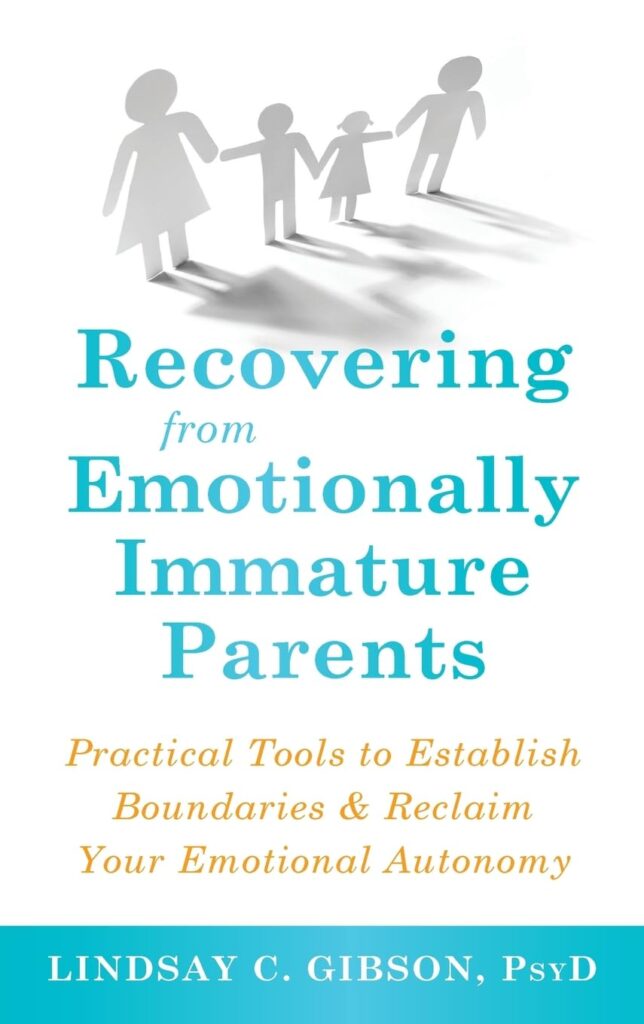
Drawing on the success of her popular self-help book, Adult Children of Emotionally Immature Parents, author Lindsay Gibson offers yet another essential resource for adult children of emotionally immature parents. With this follow-up guide, readers will learn practical skills to recognize the signs of an emotionally immature parent, and powerful strategies for protecting themselves against emotional takeover. With this compassionate resource, readers will also discover how to reconnect with their own emotions and needs, and gain emotional autonomy in all their relationships.
Boundaries, Anger & Emotional Release
- What anger have I suppressed?
- What am I allowed to feel angry about?
- What does healthy anger look like?
- What boundaries do I need now?
- What makes me feel violated?
- What do I say no to?
- What do I owe myself?
- What am I protecting?
- How do I honor my limits?
- What triggers still show up?
- What reactions come from trauma?
- What is my anger trying to tell me?
- What does emotional release feel like?
- What am I afraid will happen if I speak up?
- What does safety in conflict look like?
- How do I regulate my emotions?
- What boundaries feel non‑negotiable?
- What does assertiveness mean to me?
- What relationships drain me?
- What relationships nourish me?
- What anger deserves compassion?
- What feelings were never allowed?
- How do I process rage safely?
- What does self‑protection mean now?
- What patterns am I breaking?
- What power am I reclaiming?
- What does emotional freedom feel like?
- What do I choose differently now?
- What feels like emotional safety?
- What does healthy communication look like?
- What boundaries feel healing?
- What am I no longer tolerating?
- What emotions need expression?
- What am I done explaining?
- What peace am I choosing?
- What strength surprises me?
- What anger is ready to soften?
- What anger still needs space?
- What protection does my inner child need?
- What does empowerment feel like in my body?
- What emotional labor do I release?
- What does calm feel like?
- What makes me feel respected?
- What safety do I create for myself?
- What anger turns into clarity?
- What does closure mean for me?
- What healing feels slow but real?
- What self‑trust am I rebuilding?
- What freedom am I stepping into?
- What does peace feel like today?
Inner Child Healing & Self‑Compassion
- What does my inner child need today?
- How do I comfort myself?
- What words would soothe younger me?
- What play feels healing?
- What safety feels like warmth?
- How do I nurture myself?
- What routines feel grounding?
- What does gentleness look like?
- What makes me feel held?
- How do I show up for myself?
- What does unconditional love feel like now?
- What inner child wounds need patience?
- What makes me feel joy without guilt?
- What does softness mean to me?
- What does rest heal?
- What do I need permission for?
- What inner child belief am I rewriting?
- What does comfort look like now?
- What does safety feel like in my body?
- What does self‑love look like in action?
- What does compassion sound like internally?
- What kindness do I deserve?
- What does healing feel like today?
- What am I proud of surviving?
- What gentleness am I learning?
- What makes me feel emotionally full?
- What joy belongs to me?
- What hope feels believable?
- What love am I creating?
- What does emotional security mean now?
- What comfort rituals soothe me?
- What does peace look like long‑term?
- What softness feels safe?
- What inner child joy am I reclaiming?
- What support do I allow?
- What healing feels quiet?
- What does emotional stability mean?
- What love do I give myself today?
- What safety do I deserve?
- What does healing feel like this year?
- What am I learning to receive?
- What self‑compassion feels natural?
- What care do I choose?
- What emotional growth surprises me?
- What inner child smiles today?
- What calm feels earned?
- What trust am I rebuilding?
- What love feels steady?
- What does hope feel like now?
- What does healing mean to me?
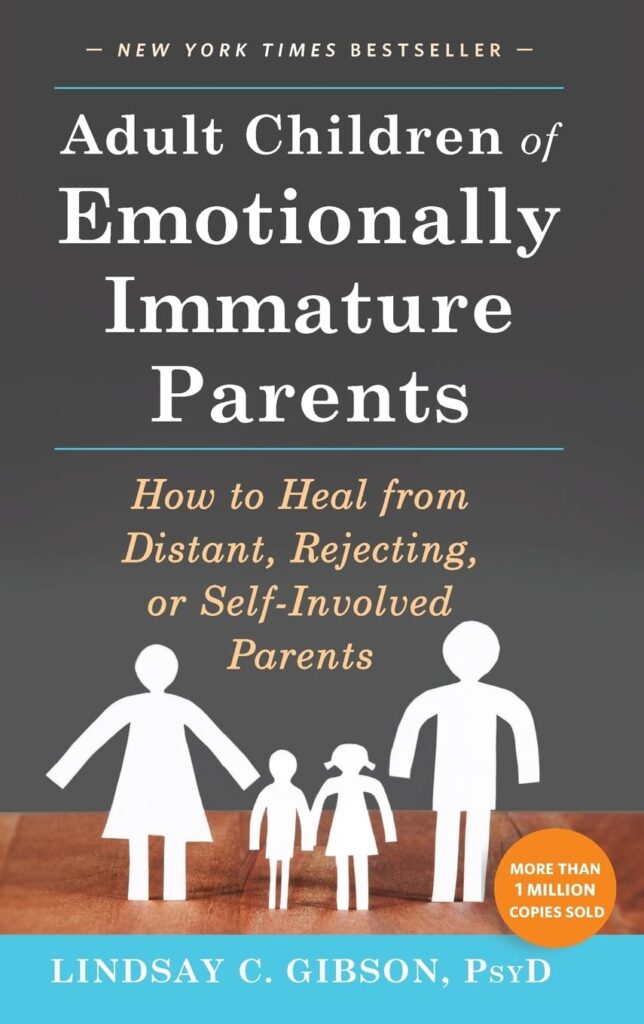
If you grew up with an emotionally immature, unavailable, or selfish parent, you may have lingering feelings of anger, loneliness, betrayal, or abandonment. You may recall your childhood as a time when your emotional needs were not met, when your feelings were dismissed, or when you took on adult levels of responsibility in an effort to compensate for your parent’s behavior. These wounds can be healed, and you can move forward in your life.
In this breakthrough book, clinical psychologist Lindsay Gibson exposes the destructive nature of parents who are emotionally immature or unavailable. You will see how these parents create a sense of neglect, and discover ways to heal from the pain and confusion caused by your childhood. By freeing yourself from your parents’ emotional immaturity, you can recover your true nature, control how you react to them, and avoid disappointment. Finally, you’ll learn how to create positive, new relationships so you can build a better life.
Amazon Journal & Healing Tools I Genuinely Recommend
(These are tools I often suggest to readers doing deep emotional work.)
- The Five Minute Journal – gentle daily reflection without overwhelm
- Promptly Journals – Self‑Care Edition – structured healing prompts
- The Inner Child Journal by Cathryn Taylor – excellent for re‑parenting work
- Trauma‑Sensitive Yoga Journal – great if emotions live in your body
- A dotted or blank A5 journal – freedom to write without rules
Choose what feels supportive, not what feels like pressure. Healing from an abusive parent is not linear. Some days journaling will feel relieving. Other days it may feel heavy. Both are normal. You are not behind. You are not broken. You are becoming.
Take what you need. Leave the rest.