
Office waste is one of those things most people don’t think about until the bins are overflowing or someone complains about the smell in the kitchen. Yet offices generate a surprising amount of waste every single day, from paper and plastic packaging to food scraps and electronic waste. The good news is that sustainable waste management in an office setting is not complicated when it’s approached intentionally.
Sustainable waste management is about reducing waste at the source, handling unavoidable waste responsibly, and creating systems that employees can easily follow. When done well, it reduces costs, improves cleanliness, supports environmental compliance, and builds a more responsible workplace culture.
Let’s walk through exactly how to go about sustainable waste management in your office in a way that is practical, realistic, and effective. Find more sustainability posts here.
Table of Contents
Sustainable Waste Management Practices in Offices.
Start by Understanding Your Office Waste Streams
Before you try to fix anything, you need to understand what types of waste your office produces. Every office is different, and guessing usually leads to misplaced effort.
Take time to observe and record common waste streams such as paper, plastic packaging, food waste, electronic waste, printer cartridges, and general waste. A small office may mainly struggle with paper and food waste, while a larger office may generate significant electronic waste from outdated equipment.
Some offices conduct a simple waste assessment by monitoring waste for a week. Using digital scales and clearly labeled containers helps quantify waste accurately and identify priority areas.
Reduce Waste at the Source First
The most sustainable waste is the waste that never exists. Reducing waste at the source should always come before recycling or disposal.
Offices can significantly cut waste by reducing unnecessary printing, eliminating single-use kitchen items, and choosing reusable alternatives. Switching to digital documents, using refillable pens, and providing reusable mugs and water bottles are simple but powerful changes.
For example, an office that eliminates disposable water bottles and paper cups can prevent thousands of items from entering the waste stream annually. Reusable bottles, ceramic mugs, and stainless steel cutlery sets, all commonly available, make these changes easy to implement.
Set Up Clear and Functional Waste Segregation Systems
Waste segregation is the backbone of sustainable waste management. Without proper separation, even recyclable materials end up in landfills.
Your office should have clearly labeled bins for different waste streams such as recyclables, organic waste, paper, and general waste. These bins should be placed where waste is generated, not hidden away in one corner.
Clear signage with simple visuals helps employees quickly understand where each item goes. Color-coded bins and recycling posters are commonly used to support effective segregation and reduce contamination.
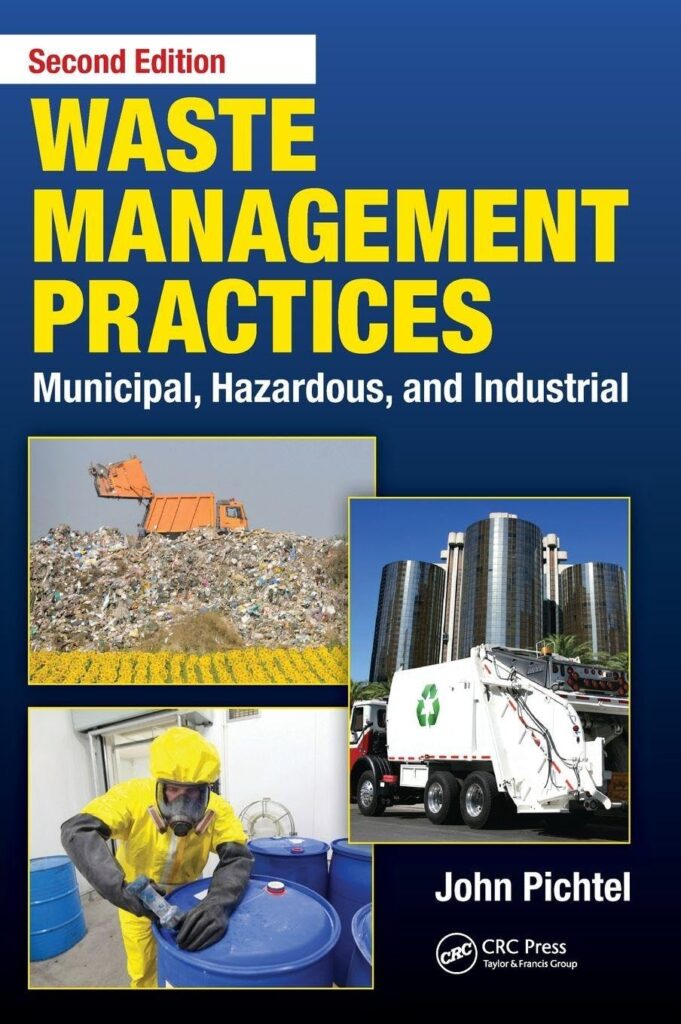
Waste Management Practices: Municipal, Hazardous, and Industrial, Second Edition addresses the three main categories of wastes (hazardous, municipal, and “special” wastes) covered under federal regulation outlined in the Resource Conservation and Recovery Act (RCRA), an established framework for managing the generation, transportation, treatment, storage, and disposal of several forms of waste.
Focusing on integrating the technical and regulatory complexities of waste management, this book covers the historical and regulatory development of waste management and the management of municipal solid wastes. It also addresses hazardous wastes and their management, from the perspectives of identification, transportation, and requirements for generators as well as the treatment, storage, and disposal facilities.
Introduce Composting for Organic Waste
Food waste is a major issue in offices with kitchens or lunch areas. Composting organic waste prevents food scraps from ending up in landfills, where they produce methane, a potent greenhouse gas.
Offices can compost on-site using sealed compost bins or work with external composting service providers. Even small offices can compost coffee grounds, fruit peels, and food leftovers with minimal effort.
Odor-controlled compost containers and compostable bin liners help maintain cleanliness and encourage consistent use.
Manage Paper Waste Responsibly
Paper is one of the most common office waste materials, but it’s also one of the easiest to manage sustainably.
Encourage double-sided printing, reuse scrap paper for internal notes, and gradually transition to paperless workflows. Recycling bins for paper should be clearly separated from general waste to prevent contamination.
Some offices go a step further by setting internal targets for paper reduction and tracking progress monthly.
Handle Electronic Waste and Hazardous Waste Properly
Electronic waste is often overlooked in offices, yet it poses serious environmental and health risks if handled incorrectly. Old computers, printers, batteries, cables, and cartridges should never be disposed of with general waste.
Your office should identify licensed e-waste recyclers and create clear procedures for storing and disposing of electronic waste. Printer cartridges can often be returned to suppliers or recycled through specialized programs.
Designated storage boxes for e-waste and batteries help keep hazardous materials safely contained until proper disposal.
Work With Waste Service Providers Strategically
Sustainable waste management is easier when you work with the right service providers. Choose waste collectors who support recycling, composting, and responsible disposal rather than those who simply collect mixed waste.
Regular communication with service providers helps ensure that segregated waste is handled correctly. It’s also helpful to periodically review waste collection schedules to avoid unnecessary pickups and costs.
Offices that work closely with responsible waste service providers often achieve higher recycling rates and better compliance with environmental regulations.
Train and Engage Employees Consistently
No waste management system will work if employees don’t understand it. Training should be simple, regular, and practical.
Introduce waste management guidelines during employee onboarding and reinforce them through reminders and signage. Encourage feedback and suggestions, as employees often identify practical improvements that management may overlook.
Small initiatives such as sustainability champions or monthly waste reduction challenges help keep engagement high.
Monitor Waste Performance and Track Improvements
Tracking waste data helps you understand what’s working and where improvements are needed. Monitoring doesn’t have to be complicated. Simple metrics such as the amount of waste collected, recycling rates, or frequency of bin overflow can provide valuable insights.
Some offices use whiteboards or digital dashboards to track waste reduction goals and share progress with staff. Visibility encourages accountability and continuous improvement.
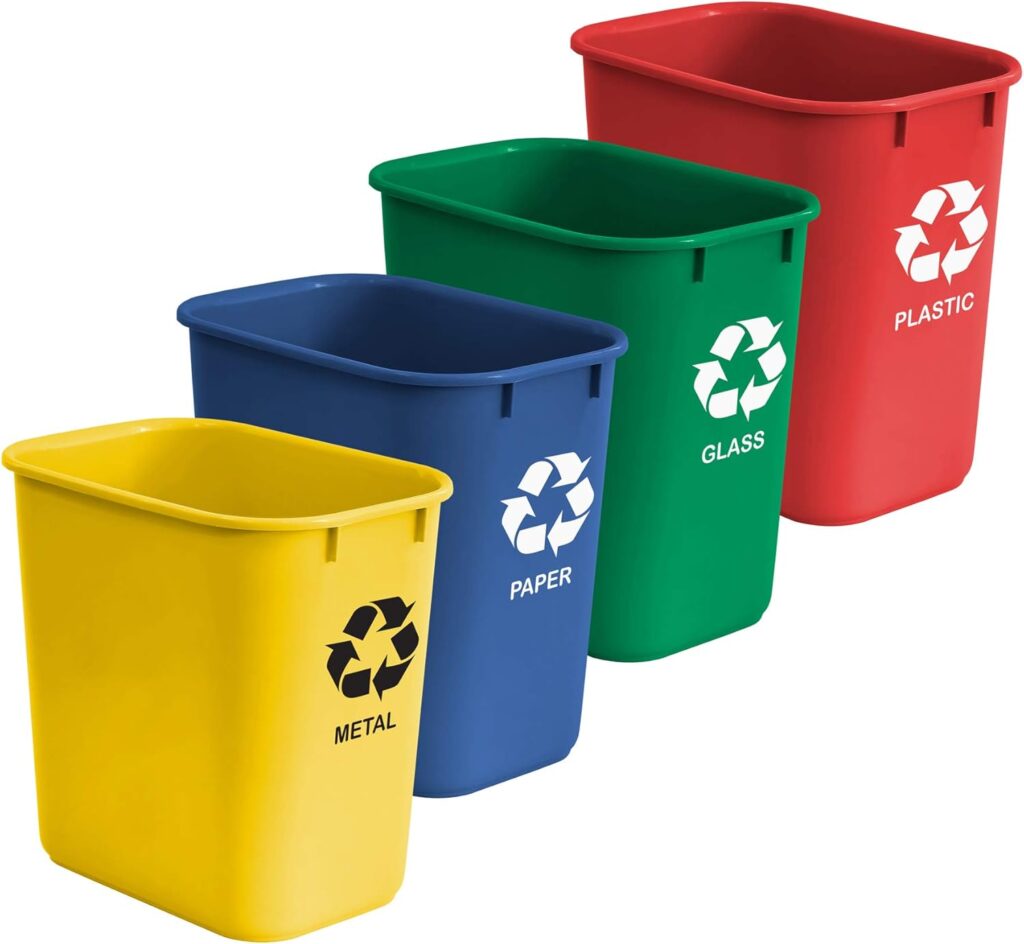
The Acrimet Wastebasket Bin for Recycling comes in a set of 4, each designated for a specific recyclable material: Metal (Yellow), Paper (Blue), Glass (Green), and Plastic (Red), making it a highly efficient recycling solution for offices, schools and home (printed on both sides with the Universal Recycling Symbol)
Align Waste Management With Environmental Policies and Compliance
Your waste management practices should align with your office’s environmental policy and any applicable legal requirements. This creates consistency and simplifies reporting, audits, and inspections.
Clear documentation of waste procedures also helps new employees quickly understand expectations and supports compliance with environmental standards and certifications.
Create a Culture of Continuous Improvement
Sustainable waste management is not a one-time project. As your office grows, changes suppliers, or adopts new technologies, waste patterns will change.
Regular reviews help you adapt systems, introduce new practices, and set higher goals over time. Encourage a mindset where waste reduction is part of everyday decision-making rather than a special initiative.
Final Thoughts on Sustainable Waste Management in Offices.
Sustainable waste management in an office is about making waste reduction easy, logical, and part of daily operations. When systems are clear and employees are engaged, sustainable waste management becomes second nature rather than a burden.
By starting small, focusing on source reduction, and building practical systems, your office can significantly reduce its environmental footprint while creating a cleaner, more efficient workplace.