Hey there, beautiful souls! Welcome back to my amazing blog haven, where we explore conversation starters, journal prompts, and all the ways to navigate life’s ups and downs with a bit more grace. If you’ve ever felt that rush of anger bubbling up, whether it’s from a frustrating day at work, a heated argument, or just the little annoyances piling up, I totally get it. Anger is a normal emotion, but managing it can make all the difference in how we feel and interact with the world.
That’s why I’m excited to share this collection of 111 calming journal prompts specifically for anger management. These are crafted to help you pause, reflect, and release in a healthy way, turning those heated moments into opportunities for growth and calm. They’re beginner-friendly, with a human touch to make them feel like a supportive chat with a friend. I’ve organized them into 11 themes with about 10 prompts each), so you can focus on what resonates most when you’re feeling fired up.
Journaling for anger management is like a personal timeout, it helps you process without reacting impulsively, build self-awareness, and cultivate calmer responses over time. Whether you’re new to this or looking for fresh ideas, grab a quiet spot, breathe deep, and let’s ease into it. And if you need a journal tailored for emotional regulation, I’ve got some soothing Amazon recommendations below. Find more journal prompts, game night questions and conversation starters here.
Quick Picks for Anger Management Journaling
When emotions are intense, a guided journal can provide structure and comfort. Here are some top-rated ones I recommend, based on user reviews and bestsellers for calming and reflection:
- The Anger Management Workbook for Women: 5-Minute Daily Prompts to Find Peace and Emotional Balance – Short, daily entries to process anger gently. Perfect for busy days.
- The Mindfulness Workbook for Anger: Effective Strategies for Staying Calm When Emotions Run Hot – Focuses on mindfulness techniques with prompts to cool down. Super practical.
- Let That Sh*t Go: Find Peace of Mind and Happiness in Your Everyday – Lighthearted prompts to release anger and build positivity. Great for a fun approach.
These are affordable and highly effective for at-home emotional work. Now, onto the prompts.
Table of Contents
111 Questions to ask yourself for anger management
Theme 1: Identifying Your Anger
Start by naming what you’re feeling, these prompts help you recognize anger without judgment.
- What does anger feel like in your body right now?
- Can you describe a recent situation where you felt angry?
- How intense is your anger on a scale from 1 to 10 today?
- What thoughts are running through your mind when anger shows up?
- Can you think about how your anger might be protecting you?
- What’s one word that best captures your current anger?
- How has anger appeared in your life this week?
- Can you recall a time when anger felt justified?
- What physical signs let you know anger is building?
- How does labeling your anger help you feel a bit calmer?
Theme 2: Exploring Triggers
Dig into what sets off your anger to understand and anticipate it better.
- What situations tend to trigger your anger the most?
- Can you think about a person who often sparks your frustration?
- How do past experiences influence your triggers today?
- What’s a small annoyance that builds into bigger anger?
- Can you describe how stress from work or home triggers you?
- What role does feeling unheard play in your anger?
- How does tiredness or hunger affect your triggers?
- Can you recall a trigger from childhood that’s still around?
- What’s one environmental factor that sets off your anger?
- How can awareness of your triggers help you prepare?
Theme 3: Reflecting on Reactions
Look back at how you respond to anger to learn and choose differently next time.
- How did you react the last time you felt angry?
- Can you think about a reaction you’re proud of handling well?
- What would a calmer response look like in that moment?
- How do your reactions affect the people around you?
- Can you describe a time when anger led to regret?
- What’s one healthy way you’ve expressed anger before?
- How does pausing before reacting change things for you?
- Can you reflect on a pattern in your angry reactions?
- What emotions might be hiding behind your anger?
- How can you celebrate progress in your reactions?
Theme 4: Practicing Forgiveness
Ease into letting go of grudges to free up space for peace.
- Who or what are you ready to start forgiving?
- Can you think about how forgiveness might benefit you?
- What would forgiving yourself for past anger look like?
- How has holding onto anger affected your life?
- Can you write a gentle letter of forgiveness to someone?
- What’s one small step toward forgiving a hurt?
- How does empathy help in the forgiveness process?
- Can you recall a time when forgiveness brought relief?
- What boundaries can you set while forgiving?
- How does forgiveness connect to your inner calm?
Theme 5: Building Empathy
Shift perspective to understand others and soften your anger.
- Can you imagine the other person’s point of view?
- What might be going on in their life right now?
- How does putting yourself in their shoes change your feelings?
- Can you think about a time when empathy cooled your anger?
- What’s one kind assumption you can make about them?
- How does empathy toward yourself reduce self-anger?
- Can you describe a situation where empathy helped?
- What common ground do you share with this person?
- How can building empathy become a daily habit?
- What’s a empathetic response you can try next time?
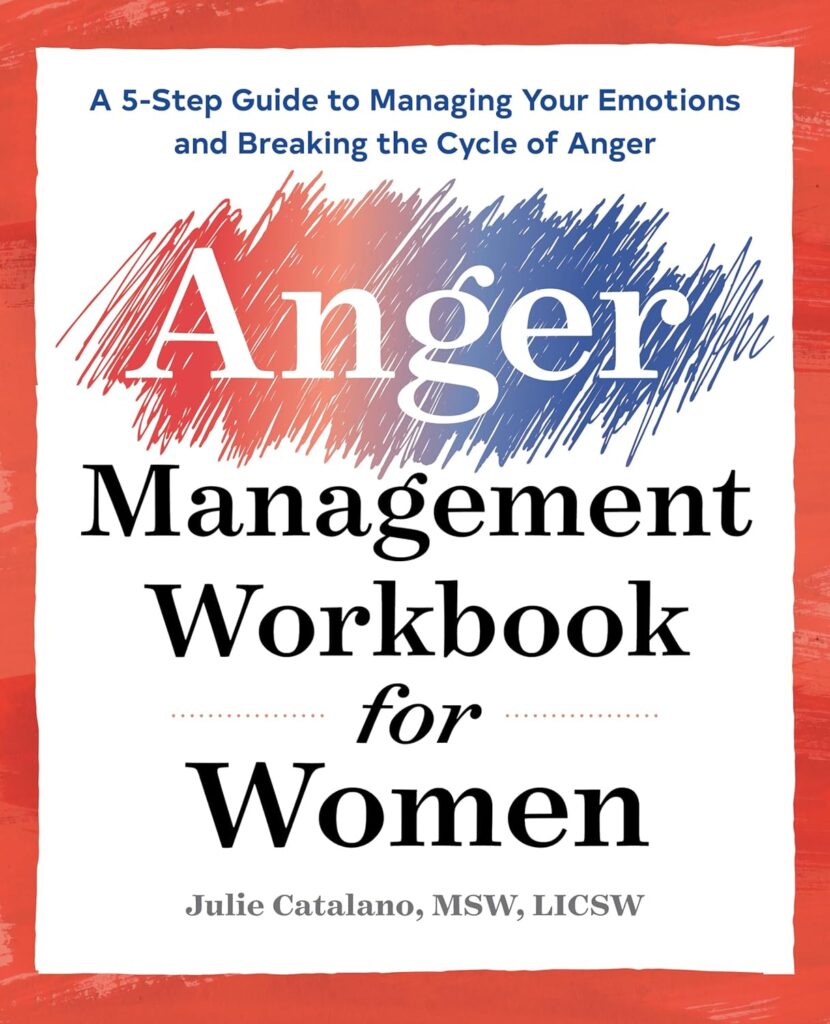
Finally, a Safe Space for Women to Understand Their Anger and Take Back Control
Do you feel overwhelmed, reactive, or ashamed of your anger? You’re not alone and you’re not broken. The Anger Management Workbook for Women offers a clear, compassionate path to help you manage anger without guilt, silence, or shame.
Written by licensed psychologist Julie Catalona, PhD, this empowering workbook uses evidence-based techniques to guide women through the root causes of their anger and into a healthier, more confident way of responding.
Theme 6: Finding Calm in the Moment
Tools to ground yourself when anger flares up.
- What breathing technique helps you calm down quickly?
- Can you describe a peaceful place you can visualize?
- How does counting to ten shift your anger?
- What’s a soothing activity you can do right now?
- Can you think about a mantra that brings you peace?
- How does stepping outside help you find calm?
- What’s one sense you can focus on to ground yourself?
- Can you recall a time when music eased your anger?
- How does stretching or movement release tension?
- What’s a quick self-hug or comfort you can give yourself?
Theme 7: Cultivating Self-Compassion
Be kind to yourself amid anger to foster healing.
- What would you say to a friend feeling this anger?
- Can you forgive yourself for getting angry?
- How can you treat yourself with more kindness today?
- What’s one thing you love about yourself despite the anger?
- Can you think about how anger is just part of being human?
- How does self-compassion soften your inner critic?
- What’s a gentle reminder you need right now?
- Can you celebrate a moment of self-kindness?
- How has self-compassion helped in past anger?
- What’s one way to nurture yourself after an angry day?
Theme 8: Positive Reframing
Turn angry thoughts into more balanced ones.
- How can you reframe this angry situation positively?
- Can you find a silver lining in what happened?
- What lesson is hidden in this frustration?
- How does shifting focus to gratitude change things?
- Can you think about the bigger picture here?
- What’s a more empowering way to view this?
- How can humor lighten the anger?
- Can you replace “always” or “never” with something real?
- What strength are you building through this?
- How does reframing lead to more peace?
Theme 9: Setting Boundaries for Peace
Protect your energy to prevent anger buildup.
- What boundary do you need to set right now?
- Can you think about how boundaries reduce anger?
- How does saying no feel empowering?
- What’s a respectful way to communicate a boundary?
- Can you recall a time when boundaries helped?
- What personal space do you need for calm?
- How do boundaries honor your feelings?
- Can you describe your ideal boundary-setting talk?
- What’s one boundary for self-care?
- How does enforcing boundaries build respect?
Theme 10: Planning for Calmer Responses
Look ahead to handle anger better in the future.
- What calmer response can you plan for next time?
- Can you think about a trigger and a new way to react?
- How does preparation make anger easier to manage?
- What’s a goal for your anger management this week?
- Can you imagine handling anger with grace?
- How can support from others help your plan?
- What’s one tool you’ll use in heated moments?
- Can you reflect on progress toward calmer you?
- How does tracking anger help your planning?
- What’s a long-term vision for your calm self?
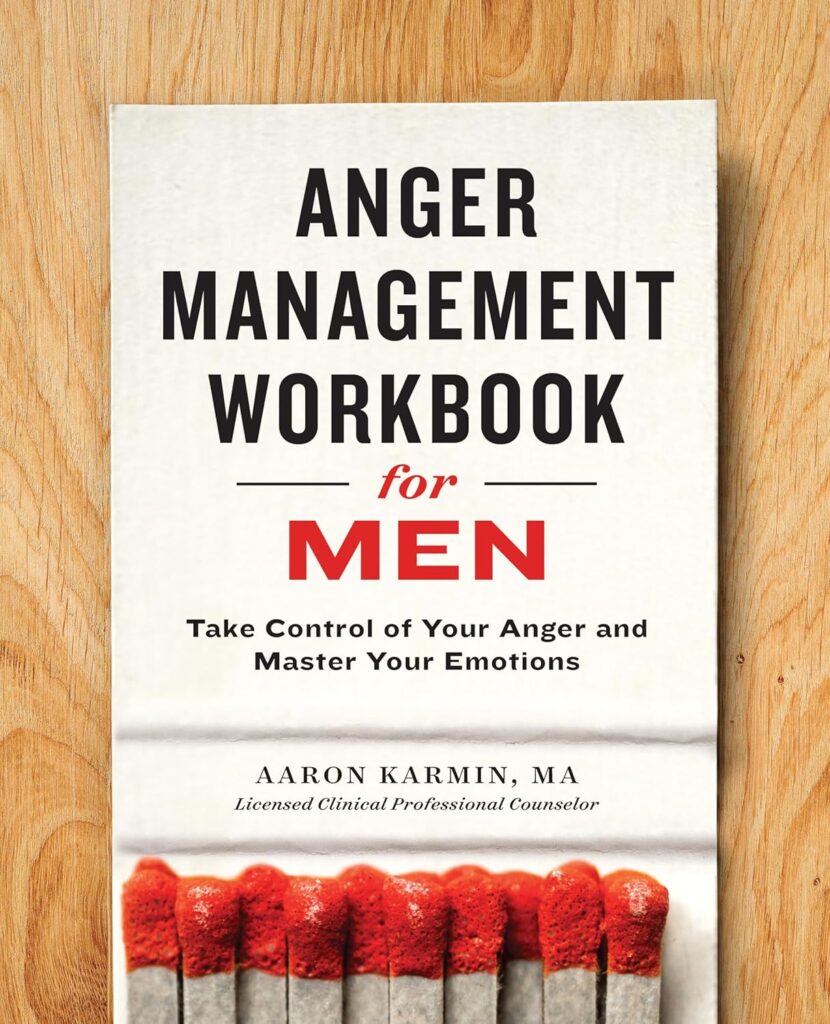
Be the bigger man with straightforward strategies for managing your anger
Are you ready to take control of your anger? Clinical Therapist Aaron Karmin teaches you the skills to manage your anger without aggression and build up your self-confidence, self-control, and self-respect.
Theme 11: Daily and Long-Term Reflections
Wrap up with ongoing check-ins for sustained peace.
- How did you manage anger today?
- Can you think about what went well in your reflections?
- What’s one thing you’re grateful for despite anger?
- How has journaling shifted your anger this week?
- Can you celebrate a small win in management?
- What pattern in anger are you noticing now?
- How does looking back help you move forward?
- Can you set an intention for calm tomorrow?
- What’s a lesson from this month’s anger?
- How has your relationship with anger evolved?
- Looking ahead, what peace are you inviting in?
There you have it, 111 prompts to help you navigate anger with more calm and clarity. Remember, it’s okay to feel angry; it’s how we handle it that counts. Use these as a starting point, and adjust as needed, journaling is your personal space for healing.
If these prompts helped you chill out a bit, drop a comment: Which theme felt most useful when you’re fired up? Stay grounded and gentle with yourself, friends. Until next time.