If your inner world in relationships feels like a constant radar screen, scanning for signs of disconnection, a shift in tone, or evidence you’re not loved enough—this is for you. You may find yourself replaying conversations, needing frequent reassurance, or feeling a primal panic at the thought of someone you love being upset or distant. Your greatest fear is abandonment, and it can feel all-consuming. Please know this: you are not “too much,” “needy,” or doomed to push love away. You likely have an anxious attachment style; a brilliant, sensitive survival system wired for hyper-vigilance to protect you from loss.
Healing isn’t about becoming someone who doesn’t care. It’s about shifting the source of your security from outside validation to inner stability. It’s about learning that you can be okay, even when a partner is quiet, busy, or imperfect. The following five books are your compassionate lifelines. They offer the science to understand your beautiful, sensitive wiring and the practical, gentle tools to soothe your nervous system and build relationships from a place of wholeness, not fear. Find more books to read or add to your to read list here.
Table of Contents

5 Anchoring Books for Everyone with Anxious Attachment Style
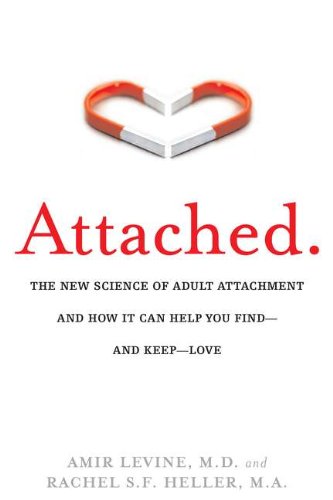
1. Attached: The New Science of Adult Attachment and How It Can Help You Find and Keep Love by Amir Levine, M.D. and Rachel Heller, M.A.
This is the foundational text. It will give you the profound relief of seeing your relational patterns mapped clearly on a page. Levine and Heller identify the three primary attachment styles, with a deep dive into the anxious-preoccupied style, its origins, its triggers, and its profound impact on your love life.
Why It’s a Game-Changer:
This book names what you feel. It explains your “protest behaviors”, like constant texting, withdrawing to provoke a reaction, or obsessive overthinking, not as irrational acts, but as predictable, wired attempts to regain closeness and soothe a terrified nervous system. It validates your intense need for connection while illuminating how these very strategies can inadvertently create the distance you fear. Most importantly, it teaches you to identify secure partners, which is the single most effective step an anxious attacher can take.
What Makes It Unique:
Its power is in its crystal-clear framework and actionable advice. It provides a “Secure Person” checklist and practical communication scripts for expressing needs in a direct, non-activating way (e.g., using “I feel” statements instead of accusations). It transforms your love life from a mystery of emotional chaos into a comprehensible system you can learn to navigate wisely.
A Small Practice from Its Pages:
Practice “Effective Communication.” When you feel anxious, instead of a protest behavior like “You never make time for me!”, try the book’s formula: Name the feeling + state the objective fact + make a clear, positive request. Example: “I feel a bit anxious when we don’t have plans set for the weekend. Would you be willing to schedule a date night with me by Thursday?” This approach is far more likely to get your need met.
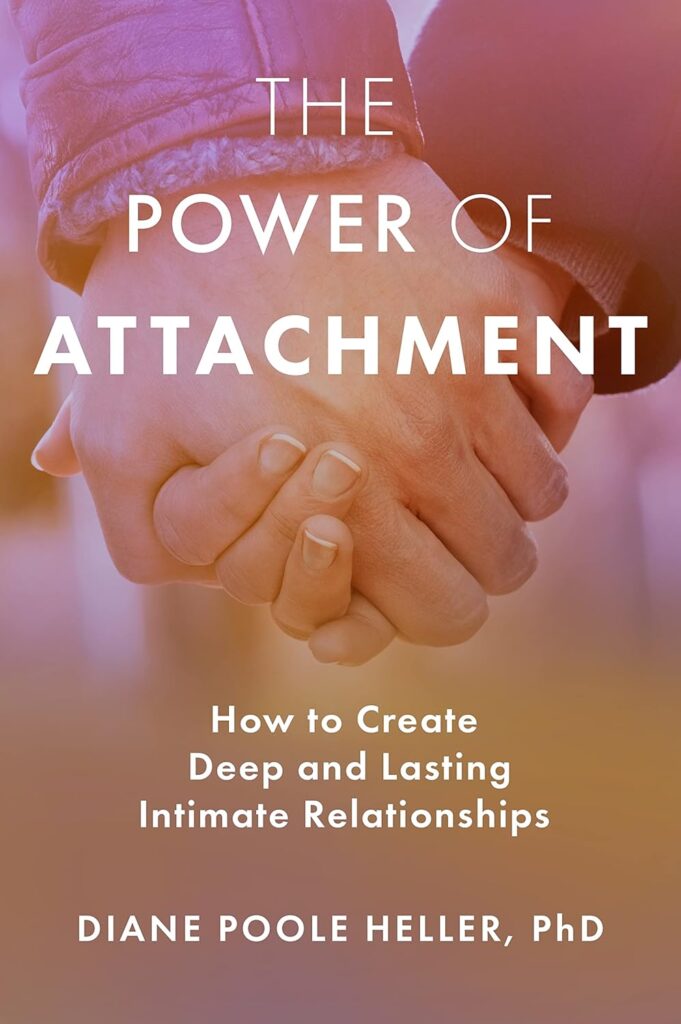
2. The Power of Attachment: How to Create Deep and Lasting Intimate Relationships by Diane Poole Heller, Ph.D.
While Attached gives you the map, this book gives you the tools for internal repair. Trauma and attachment expert Diane Poole Heller focuses on the journey from insecure to “earned secure” attachment. Her somatic (body-based) approach is crucial for anxious types, who often live in the spinning thoughts of their head, disconnected from the calming wisdom of the body.
Why It’s a Game-Changer:
Anxious attachment is a state of physiological dysregulation, a nervous system stuck in a pattern of scanning for threat. Heller teaches you how to actively re-regulate your system. She provides specific exercises to heal the core wound of abandonment, establish a “secure base” within yourself, and practice receiving love without fear. This book guides you in moving from a desperate need for connection to a grounded capacity for connection.
What Makes It Unique:
The book’s structured Somatic Attachment Therapy exercises are its greatest gift. Practices like “Ruach Breathing” for co-regulation and “The Corrective Experience” help you literally rewrite old, fearful imprints in your nervous system. For someone who feels at the mercy of their emotional storms, these step-by-step exercises offer a tangible way to build an inner anchor of safety.
A Small Practice from Its Pages:
Try the “Nurturing Figure” Meditation. Close your eyes and imagine a figure (real, historical, spiritual, or imagined) who embodies unconditional love and safe harbor. Imagine this figure holding you, offering comfort. This practice isn’t about fantasy; it’s about activating the neural pathways of being soothed and cared for, which calms the anxious brain.
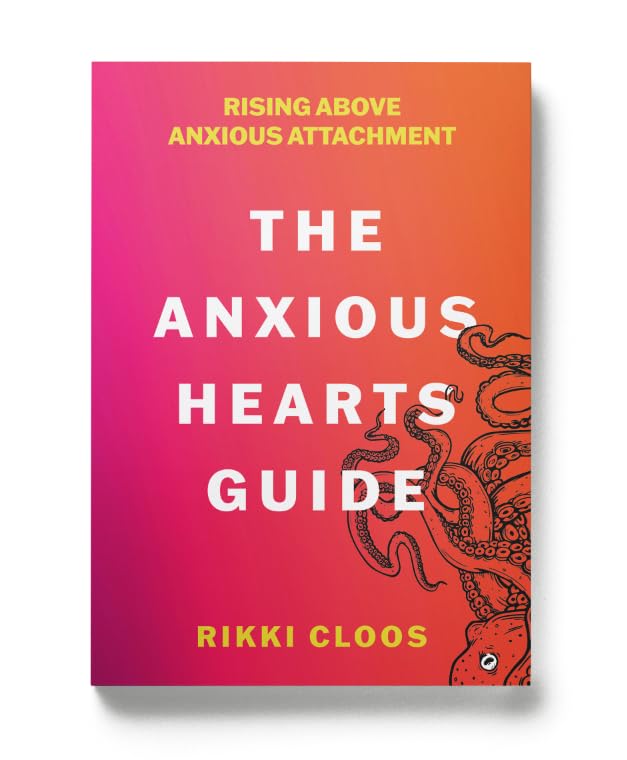
3. The Anxious Hearts Guide: Rising Above Anxious Attachment by Rikki Cloos
This is the book that feels like a warm, understanding friend who’s been through it and is now holding your hand. Rikki Cloos, who transformed her own anxious attachment, writes a direct, conversational, and immensely practical guide focused on daily actions and mindset shifts to break the cycle of relationship anxiety.
Why It’s a Game-Changer:
It speaks your language. Cloos gets right into the nitty-gritty of anxious behaviors: obsessive social media checking, interpreting texts, the “hangover” after a conflict. She provides immediate, relatable strategies for interrupting these cycles. The book is structured to build your self-concept and life outside of a relationship, which is the ultimate antidote to anxious enmeshment.
What Makes It Unique:
Its focus on building a “Full Life Practice.” Cloos argues convincingly that you cannot heal anxious attachment by focusing solely on the relationship. You must build a rich, independent life you love. She offers concrete prompts for rediscovering hobbies, nurturing friendships, and developing self-trust. This book is a coaching session in paperback form, pushing you gently but firmly toward your own two feet.
A Small Practice from Its Pages:
Create a “Self-Soothing Menu.” Make a list of 10-15 activities that genuinely calm and nourish you (e.g., taking a bath, calling a grounded friend, journaling, stretching, walking in nature). Post it on your fridge. When anxiety hits, commit to doing two items from the menu before you reach out to your partner for reassurance. This builds your self-regulation muscle.
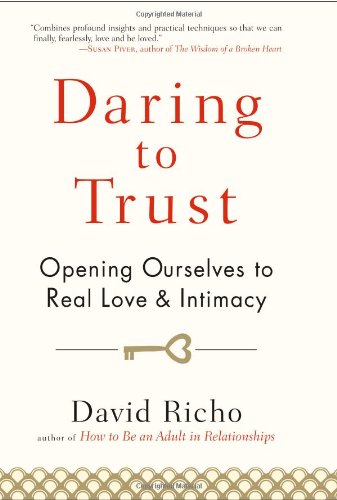
4. Daring to Trust: Opening Ourselves to Real Love and Intimacy by David Richo, PhD
At the core of anxious attachment is a deep-seated fear: “I am not safe. I will be abandoned.” Psychotherapist David Richo’s work focuses on building the foundations of trust, in ourselves, in others, and in life itself. This book is a spiritual and psychological manual for moving from fear-based control to open-hearted acceptance.
Why It’s a Game-Changer:
Richo helps you distinguish between “baseline trust” (a general openness to life) and “functional trust” (earned through specific, reliable behavior). This is vital for the anxious attacher, who may oscillate between blind trust and zero trust. He teaches you to set realistic expectations, accept the inherent “givens” of relationship (like change and conflict), and develop the patience to allow trust to build organically through action, not words.
What Makes It Unique:
Its blend of Buddhist psychology and Western psychotherapy. Richo introduces concepts like mindfulness to observe anxious thoughts without being ruled by them, and acceptance to stop fighting reality. He provides beautiful meditations and reflections to cultivate a trusting heart. This book addresses the spiritual emptiness that often underlies attachment hunger, offering a path to feel held by something larger than any one relationship.
A Small Practice from Its Pages:
Practice “The Five A’s.” Richo posits we all need Attention, Acceptance, Appreciation, Affection, and Allowing. Instead of demanding them solely from a partner, practice giving them to yourself. Spend 10 minutes giving yourself undivided attention. Write down things you accept about yourself. This redirects your focus inward and reduces the desperate need to extract these essentials from others.
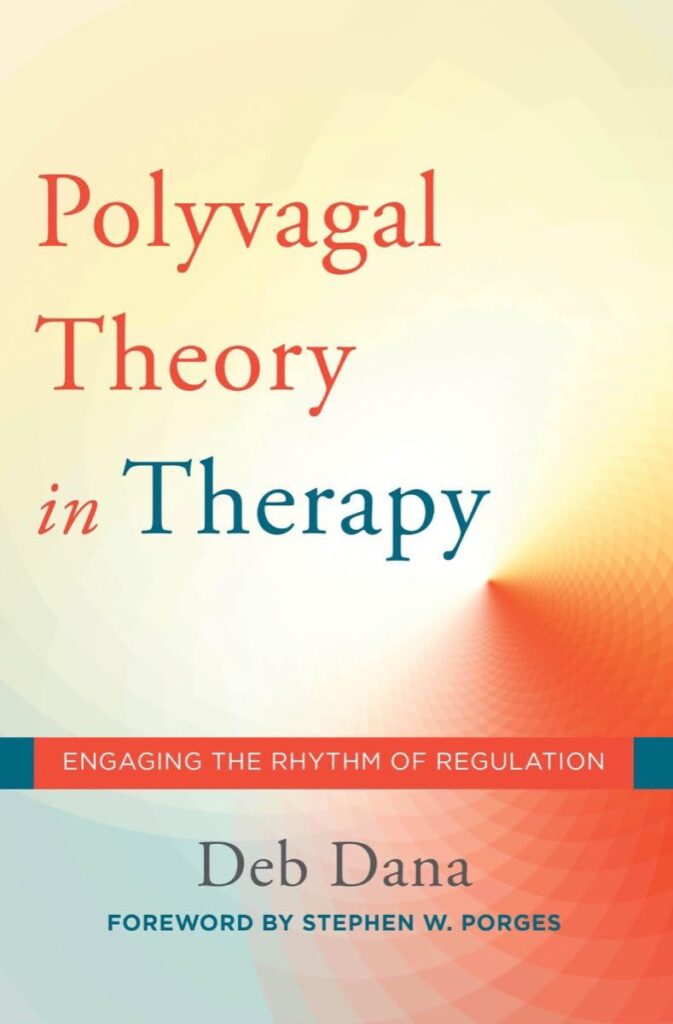
5. Polyvagal Theory in Therapy: Engaging the Rhythm of Regulation by Deb Dana, LCSW
This is the neuro-scientific key to your healing. Deb Dana makes Stephen Porges’s revolutionary Polyvagal Theory accessible, explaining how our autonomic nervous system dictates our states of safety, danger, or connection. For the anxiously attached, whose nervous system is often stuck in a mobilized “fight-or-flight” state of social threat, this knowledge is liberation.
Why It’s a Game-Changer:
It moves the problem from “what’s wrong with my personality?” to “what’s happening in my biology?” You learn that your anxiety, rumination, and clinginess are sympathetic nervous system activations—your body trying to protect you. Dana provides the tools to consciously track your states and use “ventral vagal anchors” to guide yourself back to safety and social engagement. This depersonalizes the struggle and empowers you with science.
What Makes It Unique:
Dana’s signature tool is “Mapping Your Nervous System.” You learn to identify your unique clues for each state (e.g., “When I’m anxious, my chest feels tight and my thoughts race”). You then build a personalized toolkit of “glimmers”, micro-moments that spark safety, to pull yourself back. For someone who feels hijacked by their emotions, becoming the cartographer of their own inner state is the ultimate form of self-empowerment.
A Small Practice from Its Pages:
Create a “Ventral Vagal Anchor.” Identify a simple, accessible action that reliably brings a glimmer of calm or connection (e.g., humming a song, squeezing a stress ball, petting your dog, looking at a photo of a loved one). Practice using this anchor the moment you notice the first flutter of anxiety. It’s a direct, biological intervention to calm your alarm system.
From Seeking Security to Becoming Your Own Secure Base
Your anxiously attached heart is not a liability; it has a profound capacity for depth, empathy, and loyalty. The journey is about directing that capacity inward, building a loving, secure relationship with yourself so that your relationships with others become a choice, not a necessity for survival.
Start with the book that feels most resonant. Go gently. Celebrate each moment you pause before texting, each time you soothe yourself, each time you choose your own company. You are learning the most important relationship skill: how to be your own source of safety. From that solid ground, you can love, and be loved, without fear.