Does the phrase “New Year, New You” make you flinch a little? You’re not alone. That shiny, pressure-filled optimism often fades by February, leaving behind a quiet guilt and the same old patterns. What if this year, you didn’t pursue a “new you,” but a more authentic, aligned, and resilient version of the you that already exists?
The secret isn’t in louder resolutions, but in better frameworks. It’s about understanding how your mind works, designing systems that stick, and confronting the internal blocks you’ve been carrying for years. Forget the generic listicles. The following five books are my curated picks for profound, practical change. They’re less about quick fixes and more about providing the mental software update you need to make this year fundamentally different. Find more books to read or add to your to read list here.
Table of Contents
5 Books to Read at the Beginning of the New Year.
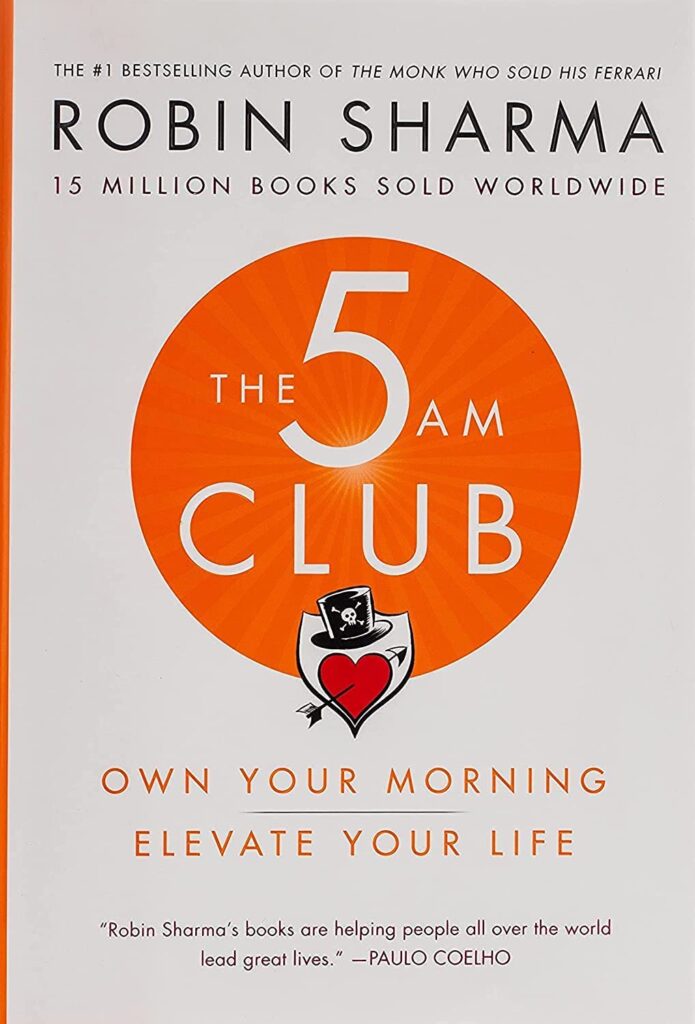
1. The 5 AM Club: Own Your Morning, Elevate Your Life by Robin Sharma
Let’s start with a book that’s often seen but rarely understood past its bold title. This isn’t just a book about waking up early; it’s a metaphor for winning the day before the world needs anything from you. Robin Sharma wraps potent life lessons in a fable about an entrepreneur and an artist learning from an eccentric billionaire.
Why It’s a Game-Changer for the New Year:
The new year is ripe with intention, but our days quickly get hijacked by reactivity: emails, demands, and distractions. Sharma’s “20/20/20 Formula” (20 minutes of movement, 20 minutes of reflection, 20 minutes of growth within the first hour of your day) provides a non-negotiable ritual. This habit builds psychological capital before you give your energy away, making you the architect of your day, not its victim.
What Makes It Unique & Actionable:
The fable format makes the principles sticky and memorable. It moves beyond the “what” of a morning routine to the “why”, explaining the neuroscience of peak performance and creative genius. It gives you a literal, hour-by-hour template to claim that quiet, powerful space for yourself, which is the ultimate foundation for any meaningful year-long change.
Your First Small Win:
Don’t jump straight to 5 a.m. This week, practice the “Hour of Victory.” Set your alarm just 60 minutes earlier than usual. Spend 20 minutes on light exercise (a brisk walk, yoga), 20 minutes journaling on what you’re grateful for and what would make today great, and 20 minutes reading a book that grows your mind. Notice how the rest of your day shifts.
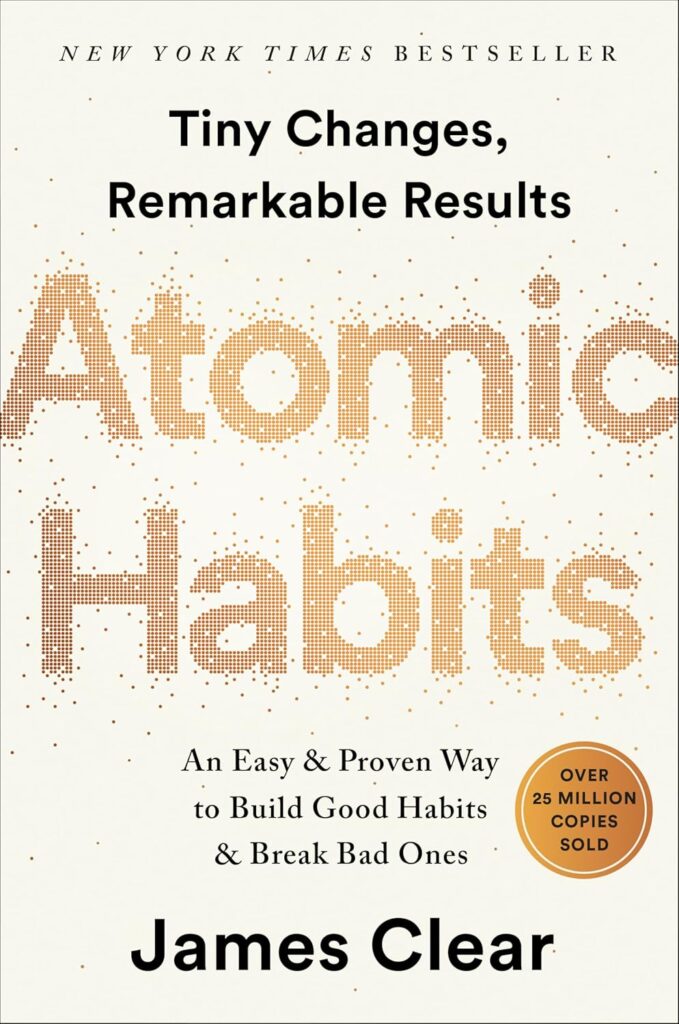
2. Atomic Habits: An Easy & Proven Way to Build Good Habits & Break Bad Ones by James Clear
If you read one book on habits, let this be it. James Clear distills a vast body of behavioral science into a crystal-clear, actionable system. The new year is all about habits, but Clear shows us we’ve been focusing on the wrong thing.
Why It’s a Game-Changer for the New Year:
We set goal-oriented resolutions (“Lose 20 pounds,” “Write a book”). Clear argues we should instead build identity-based systems. The question isn’t “What do I want to achieve?” but “Who do I want to become?” (A healthy person, a writer). Then, you build tiny, atomic habits that feed that identity. This reframe is liberating and sustainable.
What Makes It Unique & Actionable:
The book’s core is the “Four Laws of Behavior Change” (Make it Obvious, Attractive, Easy, Satisfying). It provides dozens of practical strategies like “habit stacking” and “environment design.” You learn to make good habits inevitable and bad habits impossible. It’s the engineering manual for rebuilding your daily life, brick by tiny brick.
Your First Small Win:
Use the “Two-Minute Rule.” Take any new habit you want to form and scale it down to a two-minute version. “Run 3 miles” becomes “Put on my running shoes.” “Read 30 books” becomes “Read one page.” The goal is to master the habit of showing up. The consistency this builds is infinitely more powerful than a single burst of effort.
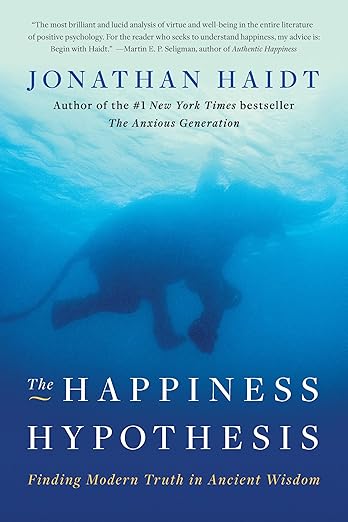
3. The Happiness Hypothesis: Finding Modern Truth in Ancient Wisdom by Jonathan Haidt
What if the wisdom for a good life has already been written, and we just need the science to understand why it works? Social psychologist Jonathan Haidt examines ten great ideas from philosophers like Buddha and Aristotle through the lens of modern psychology and neuroscience.
Why It’s a Game-Changer for the New Year:
This book gives you the “why” behind lasting well-being. Haidt uses the brilliant metaphor of the Rider (our conscious mind) and the Elephant (our automatic, emotional mind). Lasting change requires convincing the Elephant, not just instructing the Rider. This explains why willpower so often fails and gives you a smarter strategy for change.
What Makes It Unique & Actionable:
It’s a depth charge of insight. You’ll learn about the “negativity bias” of the brain, why love and work are essential for meaning, and the concept of “reciprocity with the world.” It provides an intellectual and philosophical foundation for your practical goals, helping you build a life that feels good on the inside, not just one that looks good on paper.
Your First Small Win:
Work on taming your “Inner Critic.” Haidt explains how our minds are often like bad radio stations, stuck on negative chatter. Practice “cognitive distancing.” When a harsh, absolute thought arises (“I always fail”), literally say to yourself, “I am having the thought that I always fail.” This simple act separates you from the thought and reduces its power.
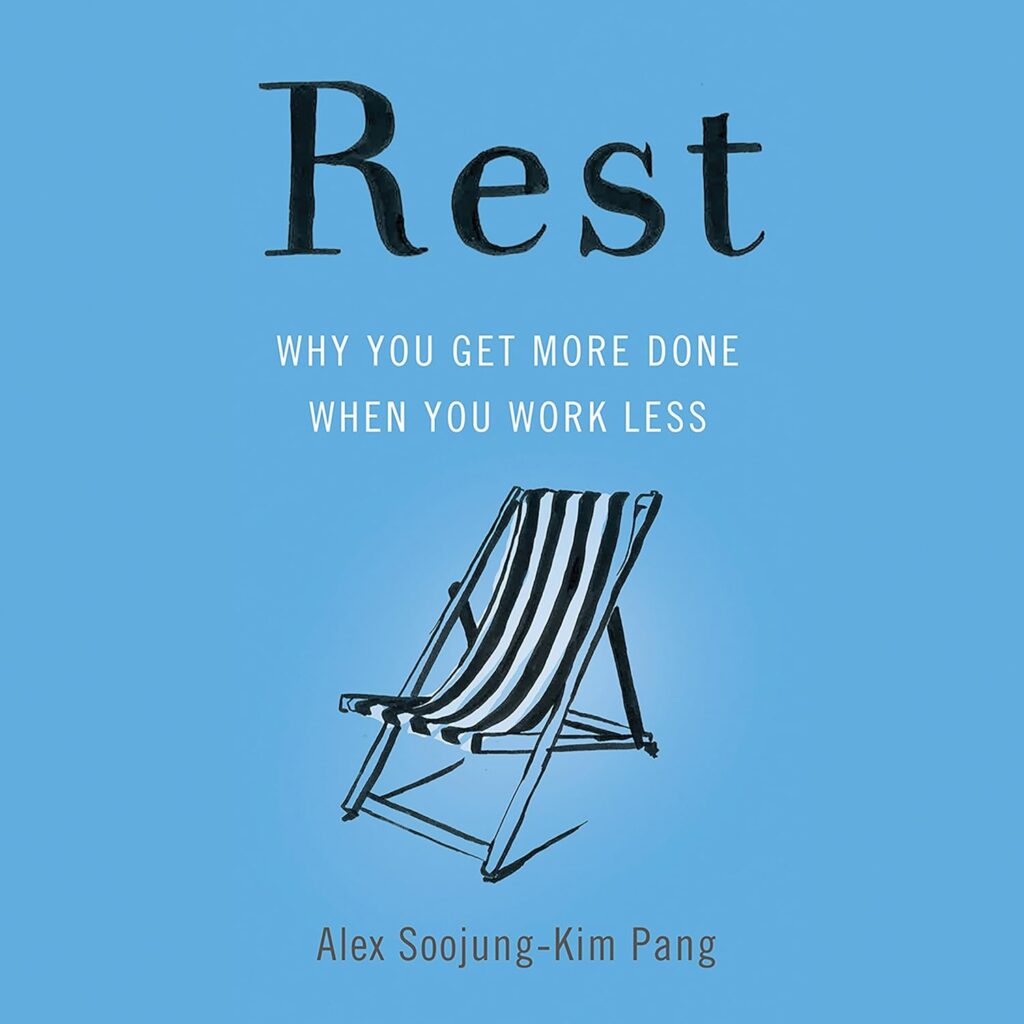
4. Rest: Why You Get More Done When You Work Less by Alex Soojung-Kim Pang
In a culture obsessed with hustle, this book is a revolutionary act. Pang, a Silicon Valley consultant, argues that deliberate rest is not the opposite of work; it is the partner of deep work. He explores how history’s most creative minds, from Darwin to Dickens used rigorous schedules of rest to fuel their world-changing output.
Why It’s a Game-Changer for the New Year:
If your goal is to achieve more, your first step should be to rest better. Burnout is the enemy of resolution. This book dismantles the guilt around rest and frames it as a skill essential for insight, creativity, and sustained productivity. It’s the permission slip you need to build a sustainable year, not a frenzied one.
What Makes It Unique & Actionable:
Pang goes beyond “take a vacation.” He details practices like “deep play” (serious hobbies), the deliberate nap, the walking meeting, and the sabbatical. He provides a blueprint for structuring your weeks and years to oscillate productively between focused work and purposeful restoration, preventing the crash-and-burn cycle.
Your First Small Win:
Schedule “Deliberate Deep Play.” Identify a hobby that is mentally absorbing, challenging, and has no professional goal (woodworking, rock climbing, painting, chess). Block out 90 minutes this week to engage in it fully. This isn’t wasting time; it’s cross-training your brain for insight and giving your conscious mind the break it needs to solve problems.
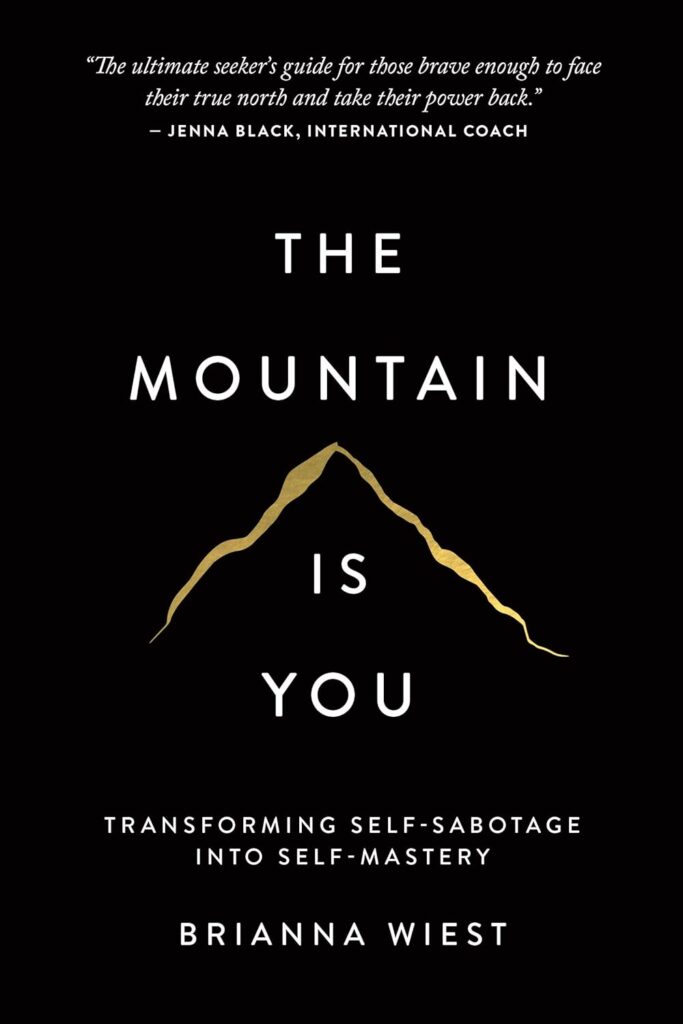
5. The Mountain Is You: Transforming Self-Sabotage Into Self-Mastery by Brianna Wiest
This is the crucial, inner work book. All the best systems fail if you are secretly working against yourself. Brianna Wiest dives into the heart of self-sabotage, why we undermine our own goals and how to transform that pattern into our greatest strength.
Why It’s a Game-Changer for the New Year:
You can set the perfect goal and design the perfect habit, but if a hidden part of you is afraid of success, change, or worthiness, it will find a way to blow it up. This book helps you excavate those hidden blocks. Wiest frames your mountain of challenges not as an obstacle, but as the very thing you must climb to become the person you’re meant to be.
What Makes It Unique & Actionable:
It’s direct, compassionate, and focuses on the shadow side of growth. Wiest explains how self-sabotaging behaviors (procrastination, people-pleasing, negative self-talk) are actually protective mechanisms from old wounds. The book guides you to thank these parts for their misguided protection, then gently update their job description to align with your current, adult life.
Your First Small Win:
Practice “Identifying the Secondary Gain.” When you notice yourself sabotaging a goal (e.g., skipping the gym to scroll), ask: “What is this behavior protecting me from?” Maybe it’s protecting you from the fear of failure, the discomfort of effort, or the vulnerability of change. Naming this hidden payoff is the first step to disarming it.
Your Year of Transformation Starts With a Single Page
This year, don’t just make a list. Build a foundation. Choose the book that addresses your core challenge: building a routine (5 AM Club), designing systems (Atomic Habits), finding wisdom (Happiness Hypothesis), creating sustainability (Rest), or doing the inner work (The Mountain Is You).
Read one. Apply it. Then move to the next. True change is a compound interest of small, consistent actions guided by profound understanding. Your future self, one year from now, is waiting to thank you for the courage you show today.